
1. Introduction
Dehydration is one of the most common but often overlooked health issues in leopard geckos. Even with a water bowl (see Water Bowl Setup) and a humid hide (see DIY Humid Hides), geckos can sometimes lose too much body moisture, especially in dry environments or if hydration care is neglected.
If untreated, dehydration can lead to stuck shed, loss of appetite, organ stress, and even death. Recognizing the early warning signs is critical for every keeper, from beginners to advanced hobbyists.
This article explains the physical and behavioral signs of dehydration, how to confirm if your gecko is affected, and what steps to take to restore proper hydration.
2. Physical Symptoms of Dehydration
Leopard geckos show several visible signs when they aren’t getting enough water. Careful observation helps detect dehydration early.
2.1 Wrinkled or Saggy Skin
- Dehydrated geckos often have loose, folded skin along the sides or back.
- The skin loses elasticity, similar to dehydration in humans.
2.2 Sunken Eyes
- One of the clearest indicators.
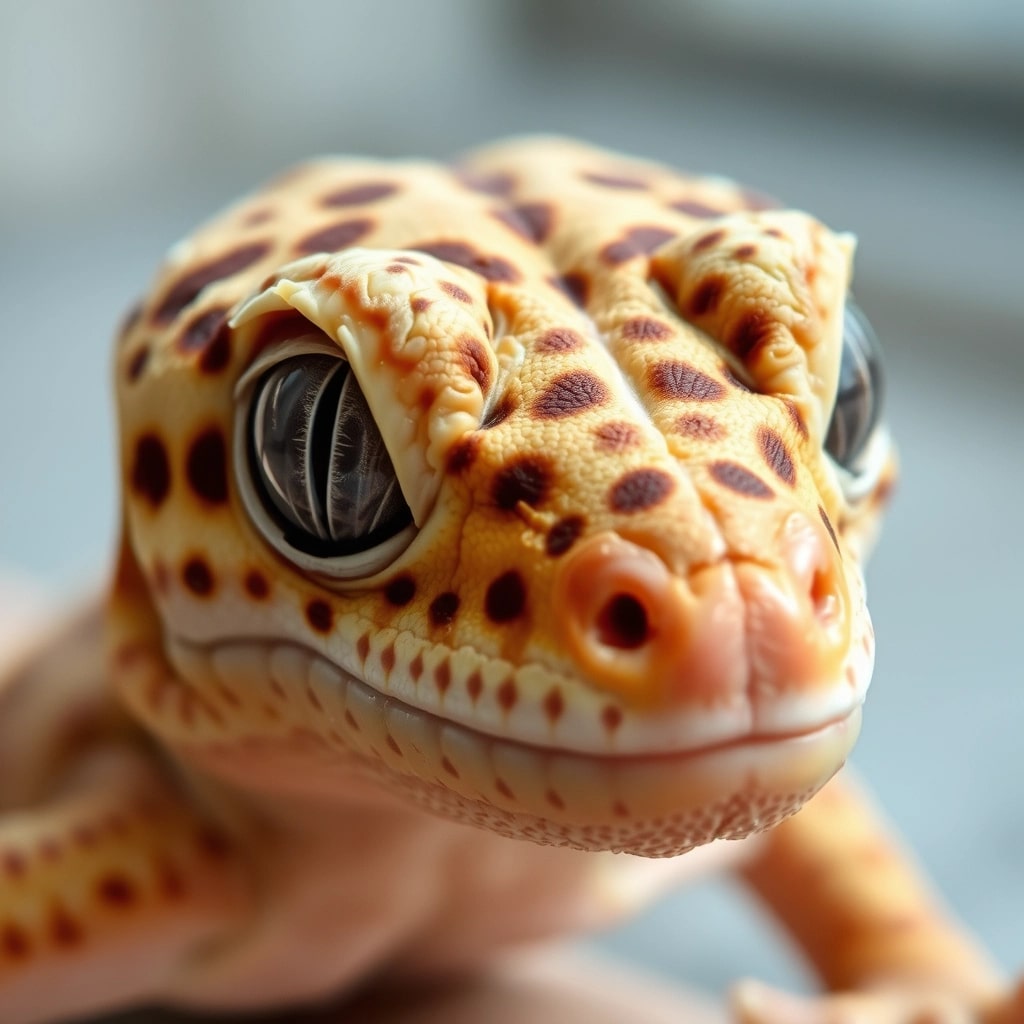
- Healthy geckos have bright, round eyes, while dehydrated ones look dull and sunken.
2.3 Stuck or Dry Shed
- Incomplete shedding, especially around the toes and eyes, is strongly linked to dehydration (see Shedding & Skin Care).
2.4 Thin Tail or Visible Bones
- Chronic dehydration combined with poor nutrition can lead to fat loss in the tail.
- A dehydrated gecko’s body may look frail or undernourished.
By regularly monitoring these physical traits, keepers can intervene before dehydration becomes severe.
3. Behavioral Symptoms of Dehydration
In addition to physical signs, dehydrated leopard geckos often show changes in their behavior. These are subtle at first but become more obvious as the condition worsens.
3.1 Lethargy
- A normally active gecko may spend long hours hiding or lying still.
- Movement becomes slower, and climbing or hunting insects requires more effort.
3.2 Loss of Appetite
- Dehydrated geckos often refuse food.
- Lack of moisture makes digestion harder, leading to stress during feeding (see Feeding & Nutrition).
3.3 Difficulty Shedding
- Without enough hydration, geckos may scratch or rub excessively to remove stuck skin.
- Repeated failed sheds are a red flag that hydration is lacking.
3.4 Restless Behavior
- Some geckos pace or scrape against the glass (glass surfing) in search of a better environment.
- This may overlap with stress signs (see Behavior Explained), but dehydration is often a trigger.
Recognizing these behavioral changes early allows keepers to act before serious health problems develop.
4. How to Confirm Dehydration
Sometimes the signs of dehydration can overlap with other issues, such as stress or illness. Simple checks can help confirm whether your leopard gecko is dehydrated.
4.1 Skin Elasticity Test
- Gently pinch a small fold of skin on the gecko’s side.
- In a hydrated gecko, the skin returns quickly to normal.
- If the skin stays raised or takes time to flatten, dehydration is likely.
4.2 Eye Appearance
- Healthy eyes: round, full, and alert.
- Dehydrated eyes: sunken, dull, or surrounded by wrinkled skin.
4.3 Body Condition
- Compare tail thickness and overall body weight with a growth chart (see Growth & Lifespan).
- Sudden loss of tail fat or visible bones may indicate long-term dehydration.
4.4 Observation During Shedding
- If shed skin remains stuck repeatedly around toes, tail tip, or eyes, hydration is insufficient.
- A well-hydrated gecko sheds cleanly and quickly.
These tests, combined with observation of daily behavior, give keepers a clear picture of whether dehydration is an issue.
5. What to Do If Your Gecko Is Dehydrated
If you notice signs of dehydration, quick intervention can often restore your leopard gecko’s health before it becomes critical.
5.1 Provide Fresh Water Immediately
- Replace the water bowl with clean, cool water.
- Ensure the bowl is shallow and easy to access (see Water Bowl Setup).
5.2 Rehydrate with a Humid Hide
- Place your gecko in a well-maintained humid hide with moist sphagnum moss or paper towels (see DIY Humid Hides).
- This allows the gecko to naturally absorb moisture.
5.3 Offer Electrolyte Support (If Needed)
- A reptile-safe electrolyte solution can sometimes help.
- Always consult a reptile vet before giving supplements.
5.4 Soak in Lukewarm Water (Short Sessions)
- A shallow soak for 10–15 minutes can help rehydrate a severely dehydrated gecko.
- Water should not be deeper than the gecko’s belly.
5.5 Veterinary Care for Severe Cases
- If your gecko shows sunken eyes, extreme lethargy, or refusal to eat, seek immediate veterinary help.
- Dehydration can cause organ failure if untreated (see Health Issues & Common Diseases).
6. Conclusion & Final Thoughts
Dehydration in leopard geckos is a serious but preventable condition. By recognizing the early signs—such as wrinkled skin, sunken eyes, lethargy, and stuck shed—keepers can act quickly and avoid long-term health problems.
The best defense is a proactive setup:
- A fresh water bowl replaced daily.
- A humid hide positioned on the warm side of the enclosure.
- Monitoring tank humidity levels within the 30–40% range.
When these basics are combined with proper diet and habitat care (see Complete Leopard Gecko Care Guide), dehydration is rarely an issue.
In short, keeping your gecko hydrated means smoother shedding, healthier digestion, and a longer, happier life.
FAQs
How can I tell if my leopard gecko is dehydrated?
Look for wrinkled skin, sunken eyes, lethargy, and stuck shed around toes and eyes.
What should I do if my leopard gecko is dehydrated?
Provide fresh water, place the gecko in a humid hide, and offer a shallow lukewarm soak. Severe cases need a reptile vet.
Can dehydration cause shedding problems in leopard geckos?
Yes, dehydration is one of the main causes of stuck shed, especially around sensitive areas like toes and eyes.
How can I prevent dehydration in leopard geckos?
Keep a clean water bowl available, maintain a functional humid hide, and monitor tank humidity (30–40%).
Author

