
Introduction
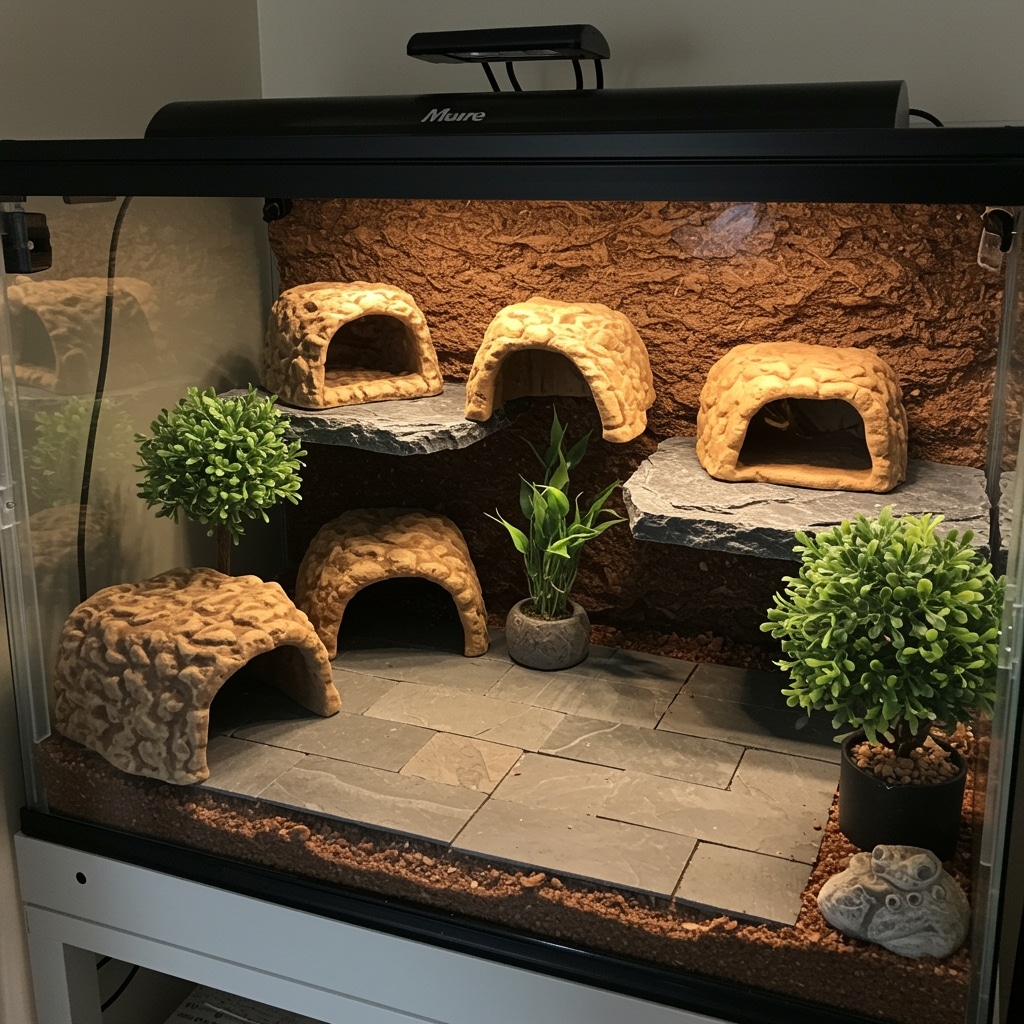
Creating the right environment for your leopard gecko is the foundation of a healthy, long-lived pet. These small desert reptiles depend on temperature gradients, secure hides, and proper ventilation to feel safe and thrive. A well-planned tank doesn’t just look good — it helps your gecko regulate heat, digest food, and behave naturally.
Many first-time keepers underestimate how much setup influences behavior, health, and stress levels. A tank that’s too small or lacks belly heat can quickly lead to appetite loss or lethargy. That’s why this Leopard Gecko Tank Setup Guide covers everything from tank sizes and heating systems to safe décor and escape-proof designs.
If you’re just getting started, you can also explore our Complete Leopard Gecko Care Guide 🩺 for feeding schedules, handling tips, and weekly maintenance routines. Together, these resources form the ultimate beginner roadmap to a confident, thriving gecko.
Before diving into heating lamps and décor, let’s begin with the first and most critical step — choosing the correct tank size.
1. Choosing the Right Tank Size by Age
Baby Leopard Gecko Tank Size Recommendations
For hatchlings and young juveniles, a 10- to 15-gallon enclosure provides plenty of space to explore while keeping heat levels consistent. Young geckos need easy access to both the warm and cool sides of the tank, so avoid setups that are too large at first — otherwise, they might struggle to find belly heat.
A smaller tank also simplifies monitoring feeding and waste habits, which helps you spot health issues early.
As your gecko grows, gradual upgrades keep stress low. Many keepers move from a 10-gallon to a 20-gallon long tank around the six-month mark, when your gecko becomes more active and needs extra space to stretch, explore, and regulate temperature.
Adult vs. Juvenile Enclosure Comparison
An adult leopard gecko (9 inches + in length) requires at least a 20-gallon long or 24×18-inch enclosure. This layout allows for a warm basking zone, a cooler retreat, and multiple hides.
PVC or glass tanks with front-opening doors make cleaning and feeding easier.
If you want to encourage natural movement, consider a 30-gallon tank — larger enclosures promote exploration and help maintain stable heat gradients.
Juveniles, on the other hand, benefit from simpler setups until they’re old enough to explore more complex habitats. Gradually upgrading prevents stress and reduces the risk of accidents when transitioning to new surroundings.
To better understand when your gecko is ready to move up in size, visit our detailed Growth & Lifespan Guide — it outlines size milestones and signs your gecko needs more room.
Common Mistakes When Choosing Tank Size
One of the most frequent errors among new owners is using vertical tanks meant for climbing reptiles like geckos or chameleons. Leopard geckos are ground-dwellers, so they need horizontal space rather than height.
Other mistakes include:
- Choosing a small starter kit with poor ventilation.
- Ignoring temperature zones — all tanks must have a warm side (88–92°F) and a cool side (75–80°F).
- Using enclosures without secure lids, leading to escapes or injuries.
A proper tank size is more than just a comfort upgrade — it directly affects your gecko’s digestion, mood, and overall lifespan.
2. Starter Kit Checklist
Getting the right equipment from the start will make your leopard gecko’s life comfortable — and your maintenance routine stress-free. Many first-time keepers waste money on fancy décor or unsafe gadgets, only to realize later that the basics matter most.
This section of the Leopard Gecko Tank Setup Guide breaks down the must-haves, smart upgrades, and the common traps you should avoid.
Essential Items Every New Keeper Needs
Before you bring your gecko home, make sure you have all the key components ready. A fully prepared tank stabilizes heat and humidity from day one and helps your gecko settle quickly.
✅ Basic Checklist
- Tank or Enclosure: A 20-gallon long tank (glass or PVC).
- Heating Source: Under-tank heating pad with thermostat control.
- Thermometers: One on the warm side, one on the cool side.
- Hides: At least three — warm, cool, and moist hide for shedding.
- Water Dish: Shallow, easy to clean, changed daily.
- Food Dish: For mealworms or calcium powder.
- Substrate: Paper towel, tile, or reptile carpet for beginners.
- Lighting (optional): Low-UVB or daylight LED for viewing.
You can find complete beginner kits online, but always verify the components — some “all-in-one” reptile bundles include dangerous elements like heat rocks or colored bulbs.
🩺 Tip: For a full breakdown of cleaning and feeding routines, check our Starter Checklist from the Complete Care Guide.
Optional but Useful Upgrades
Once the essentials are in place, consider a few quality-of-life improvements that make monitoring and maintenance easier:
- Digital Thermostat & Hygrometer: Keeps heat consistent day and night.
- Smart Timer: Automatically controls heat and light cycles.
- Decorative Backgrounds: Helps your gecko feel secure and reduces reflection stress.
- Natural Décor: Rocks, branches, or safe plants for stimulation.
- Feeding Tongs: Encourage gentle feeding and prevent bites.
While not strictly necessary, these upgrades help mimic natural conditions and keep the enclosure visually appealing — both for your gecko and for display.
Mistakes to Avoid When Buying a Starter Kit
Even with the best intentions, many new owners fall into these common pitfalls:
- ❌ Using loose sand or calcium sand. It increases the risk of impaction (intestinal blockage).
- ❌ Installing bright red or blue bulbs. Leopard geckos are nocturnal and sensitive to constant light.
- ❌ Skipping the thermostat. Unregulated heating pads can overheat or burn your gecko.
- ❌ Overcrowding décor. Leave enough floor space for your gecko to move comfortably.
It’s better to start simple and safe, then personalize later as you learn your gecko’s behavior.
For a practical shopping list with budget options and trusted gear, visit our Leopard Gecko Starter Kit Essentials — it includes tested items and setup examples for different budgets.
3. Glass vs PVC Tanks
Choosing the right material for your leopard gecko’s enclosure is more than just an aesthetic decision — it directly affects heating, humidity, and long-term maintenance. Both glass and PVC tanks are popular options among reptile keepers, but each has clear advantages depending on your climate, budget, and experience level.
In this part of the Leopard Gecko Tank Setup Guide, we’ll break down the pros and cons of each material so you can make an informed, safe choice.
Glass Tanks: Pros and Cons
Glass enclosures are the classic go-to for most beginners. They’re affordable, widely available, and easy to find in pet stores or online kits. A standard 20-gallon long glass tank provides good visibility and works perfectly for most leopard geckos.
✅ Advantages:
- Excellent visibility for observation and photography.
- Compatible with under-tank heating pads.
- Easy to clean with reptile-safe disinfectants.
- Affordable and available in most reptile supply stores.
⚠️ Drawbacks:
- Poor heat retention — glass loses warmth quickly, especially in cooler homes.
- Heavier and more fragile than PVC.
- Open-top designs may require mesh lids, which reduce humidity.
If you live in a warmer region or plan to use a heating mat regulated by a thermostat, glass is a practical, budget-friendly option. Just ensure proper insulation and monitor temperature with two digital thermometers — one on the warm side and one on the cool side.
PVC Tanks: Benefits and Drawbacks
PVC enclosures (polyvinyl chloride) are a modern alternative designed specifically for reptiles. They’re lightweight, durable, and excellent at maintaining stable heat and humidity levels.
✅ Advantages:
- Superior heat and humidity retention.
- Lightweight and easier to move or clean.
- Often front-opening, reducing stress during feeding and handling.
- Sleek, professional look suitable for long-term setups.
⚠️ Drawbacks:
- Generally more expensive than glass.
- Can retain odors if not cleaned properly.
- Some budget models lack ventilation holes, requiring manual drilling.
PVC tanks are ideal if you live in a cooler or drier environment. They maintain consistent warmth and reduce the need for high-wattage heaters, saving energy in the long run.
For an in-depth maintenance comparison and cleaning schedule, check our Tank Cleaning Routine for Leopard Geckos — it covers safe disinfectants and weekly upkeep tips.
Which Tank Type Is Best for You?
If you’re a beginner on a budget, go for a glass tank with a secure lid and a thermostat-controlled heating pad.
If you’re an experienced keeper or live in a cooler climate, invest in a PVC enclosure — it’s safer, longer-lasting, and easier to regulate.
Ultimately, the “best” choice depends on your environment and maintenance habits. What matters most is stability — consistent heat, safe ventilation, and proper humidity always come before looks.
4. Budget-Friendly Tank Setups
Setting up a safe and comfortable home for your leopard gecko doesn’t have to break the bank. Many first-time owners assume they need an elaborate terrarium filled with expensive décor, but the truth is that a basic leopard gecko tank setup can be done safely for under $100.
With smart planning and a few DIY tricks, you can create a healthy, functional habitat that looks great and supports your gecko’s natural needs.
Best Starter Setups Under $100
A minimalist but complete setup includes everything your gecko needs to thrive: warmth, security, and proper lighting.
Here’s an example of a budget build most beginners can start with:
🦎 Leopard Gecko Starter Setup (Approx. $95 Total):
- 20-gallon glass tank – $40
- Under-tank heating pad – $15
- Digital thermostat – $18
- Two hides (warm + cool) – $10
- Moist hide (DIY plastic box) – $3
- Thermometers (2) – $6
- Food + water dishes – $5
- Paper towel substrate – $2
That’s it — your gecko has everything needed for comfort and safety. You can always upgrade later with decorative backgrounds, branches, or PVC tanks once your setup stabilizes.
🔗 For specific gear recommendations and safe Amazon options, see our Leopard Gecko Starter Kit Essentials.
How to Save on Décor and Substrate
You can personalize your tank without overspending. Try these proven budget hacks:
- DIY hides: Cut openings in small plastic containers or repurpose clean food jars.
- Natural décor: Collect smooth rocks or branches (baked at 250°F for 30 minutes to sterilize).
- Affordable substrate: Use paper towels for young geckos or ceramic tiles for adults — safe, cheap, and easy to clean.
- Homemade background: Paint or print a simple desert backdrop to make your setup visually appealing and reduce stress.
Avoid loose substrates like sand or bark mulch, which can cause impaction. Instead, focus your budget on temperature stability and safety gear, not aesthetic extras.
When to Upgrade to a Larger Enclosure
Your gecko will eventually outgrow its first tank — typically around the 9-month mark. You’ll notice signs such as:
- Frequent pacing or attempts to climb the walls.
- Less exploration or hiding behavior (due to limited space).
- Trouble maintaining consistent heat zones.
When these signs appear, it’s time to move from a 20-gallon to a 30-gallon or a PVC enclosure, which holds temperature better and allows for enrichment items like branches or caves.
🔗 To learn the best timing for upgrades, check our Growth & Lifespan Guide — it explains how size and age influence enclosure needs.
Smart Budgeting Tip
Allocate your money by priority:
1️⃣ Heating and thermostat
2️⃣ Safe substrate
3️⃣ Hides and thermometer
4️⃣ Décor last
These three essentials — heat, safety, and security — will keep your gecko healthy, even on a tight budget. Once you’re confident, you can slowly transform your setup into a fully customized desert habitat.
5. Heating Mats vs Lamps
Maintaining the right temperature inside your leopard gecko’s tank is one of the most important parts of proper habitat design. Since these reptiles are ectothermic (cold-blooded), they rely on external heat sources to digest food, regulate energy, and stay healthy.
In this part of our Leopard Gecko Tank Setup Guide, we’ll compare heating mats and lamps, explain how to build the perfect thermal gradient, and show you how to avoid dangerous overheating mistakes.
The Importance of Belly Heat
Leopard geckos absorb warmth primarily through their bellies, not their backs. That’s why under-tank heating is the most reliable and natural way to replicate their desert environment.
When the ground is warm, it helps them digest food efficiently and maintain a steady metabolism.
Ideal Temperature Range:
- Warm side (basking area): 88–92°F (31–33°C)
- Cool side: 75–80°F (24–27°C)
- Nighttime: Can safely drop to 70–72°F (21–22°C)
Use at least two digital thermometers (one per side) and a thermostat controller to prevent overheating.
Without temperature control, heating pads can reach dangerous levels and burn your gecko’s belly.
For more detailed environmental control tips, check our Hydration & Water Needs Guide — it explains how to balance humidity and temperature for an ideal microclimate.
Comparing Heat Mats and Lamps
Both heat mats and heat lamps can work for leopard geckos, but each has unique benefits and limitations. Choosing between them depends on your home’s climate and your setup style.
🔥 Heat Mats (Under-Tank Heaters):
- Mimic natural belly heat from desert soil.
- Energy-efficient and simple to install.
- Work well in enclosed tanks (glass or PVC).
- Must always be used with a thermostat for safety.
💡 Heat Lamps (Overhead Heating):
- Provide ambient air warmth and visible light.
- Useful in open-top glass tanks with mesh lids.
- Can help maintain day–night cycles if used with a timer.
- Require careful placement — too close, and your gecko could overheat.
Most experienced keepers recommend combining both methods:
A heating mat for belly heat and a low-wattage lamp (25–40 W) for general warmth and light.
This combination creates a realistic temperature gradient, similar to the natural desert floor.
Creating the Ideal Temperature Gradient
A good tank setup should always have a warm zone and a cool zone. This lets your gecko move freely to regulate its body temperature — just like it would in the wild.
Step-by-step setup:
- Place the heat mat under one-third of the tank’s floor.
- Add a hide directly over the heated zone for basking.
- Position the cool hide on the opposite side with a moist hide nearby.
- Use a digital thermostat to stabilize temperatures 24/7.
- Place thermometers on both sides to monitor accuracy.
Avoid using heating rocks — they can create hot spots that burn your gecko’s skin. Focus on evenly distributed heat sources controlled by a thermostat.
For guidance on choosing the right brand and size, visit our Safe Heating Equipment for Leopard Geckos page, where we review the most reliable mats and lamps for small reptile enclosures.
Summary
The best heating setup is one that mimics the desert floor — warm below, cooler above.
A thermostat-controlled heat mat is non-negotiable, while a low-wattage lamp can help stabilize room temperatures.
This balance keeps your leopard gecko active, healthy, and stress-free.
6. Ventilation and Airflow Importance
Good ventilation is often overlooked by new keepers, yet it’s essential for maintaining a healthy environment inside your leopard gecko’s tank. Proper airflow helps prevent mold growth, bacterial buildup, and respiratory problems, while still maintaining stable temperatures and humidity levels.
In this part of the Leopard Gecko Tank Setup Guide, you’ll learn how to design your tank for ideal airflow — especially if you live in a humid or cooler region.
Why Ventilation Matters
Leopard geckos come from arid and semi-desert regions where the air circulates freely and humidity remains low. In captivity, poor ventilation traps moisture, leading to stagnant air, odor buildup, and harmful bacteria.
If condensation forms inside your enclosure or the air smells musty, it’s a sign the airflow is too restricted.
Lack of ventilation can cause:
- Respiratory infections, especially if combined with high humidity.
- Fungal growth in corners, under hides, or in damp substrate.
- Temperature inconsistencies — warm air trapped on one side, cool air on the other.
Balanced airflow allows heat and humidity to move naturally, keeping your gecko comfortable while protecting its health.
🔗 For more on how humidity affects your gecko’s breathing and skin health, see our Hydration & Water Needs Guide.
How to Add Safe Ventilation
If your tank doesn’t have built-in vents, there are several easy ways to improve airflow safely:
✅ Glass Tanks
- Use a mesh lid to promote air exchange.
- Raise the tank slightly (½ inch) to allow bottom airflow.
- Avoid covering the entire top with heat lamps or decorations — leave space for circulation.
✅ PVC Tanks
- Drill small vent holes (3–5 mm) along the sides or back wall.
- Add metal mesh inserts to prevent escapes or insect entry.
- Install cross-flow vents — one near the warm side, another on the cool side — for balanced circulation.
Pro Tip: Avoid placing ventilation holes directly above the heating mat; this causes uneven temperatures. Instead, position vents diagonally to create a natural flow of air across the tank.
Balancing Humidity and Air Exchange
Leopard geckos thrive at 30–40% humidity. Too much airflow can cause the tank to dry out, while too little can trap moisture. The goal is balance.
Tips for Stability:
- Keep a moist hide on the cool side to help with shedding.
- Mist only the hide, not the entire tank.
- Monitor humidity with a digital hygrometer.
- Adjust vent size or placement if levels drop below 25% or exceed 50%.
If your enclosure struggles with high humidity, add a small USB fan or vent strip near the top of the tank for better evaporation.
🔗 For a weekly cleaning plan that complements ventilation, check our Tank Cleaning Routine for Leopard Geckos — it shows how airflow and hygiene work together to keep your gecko healthy.
Summary
Good ventilation keeps your gecko’s habitat fresh, balanced, and safe. It prevents mold, maintains consistent heat, and supports natural behavior. Whether you use a glass tank with mesh lids or a PVC tank with built-in vents, ensuring proper airflow is one of the simplest ways to boost your gecko’s overall well-being.
7. Tank Décor Basics
Once your heating, ventilation, and safety elements are in place, it’s time to bring your leopard gecko’s habitat to life. Thoughtful décor doesn’t just make the tank look attractive — it’s key to your gecko’s physical and psychological well-being.
In this part of the Leopard Gecko Tank Setup Guide, we’ll cover how to decorate your tank safely, choose enrichment elements, and design a balanced layout that mimics your gecko’s natural desert environment.
Naturalistic vs. Minimalist Décor
There are two main approaches to tank design, and both can work depending on your experience level and cleaning routine.
🌵 Naturalistic Setup:
A naturalistic enclosure replicates desert habitats with sand-colored backgrounds, realistic hides, and safe plants. It’s visually appealing and offers more environmental stimulation — encouraging your gecko to explore, climb, and behave naturally.
- Pros: Stimulating and visually immersive.
- Cons: Slightly more upkeep; harder to clean without disturbing décor.
🪨 Minimalist Setup:
A minimalist enclosure focuses on functionality and hygiene. It uses simple hides, paper towel or tile substrates, and limited décor. This is ideal for beginners or young geckos, allowing easy cleaning and close monitoring.
- Pros: Simple, hygienic, budget-friendly.
- Cons: Less natural enrichment; limited exploration.
If you’re just starting out, begin with a minimalist style and gradually transition to a naturalistic one as you gain experience.
🔗 For behavioral reasons behind décor choices, visit our Behavior Explained Guide — it shows how environment impacts activity and stress.
Safe Plants and Hides for Enrichment
Leopard geckos love multiple hides and shaded areas where they can feel secure. At a minimum, your tank should include:
- Warm hide: Placed over the heat mat for thermoregulation.
- Cool hide: Located on the opposite side to prevent overheating.
- Moist hide: Filled with damp moss or paper towel to assist shedding.
For naturalistic setups, consider safe artificial or live plants such as:
- Artificial succulents or desert grasses.
- Live options like Aloe vera or Haworthia (non-toxic, low-water).
Avoid plants with sap or sharp edges. Artificial vines and cork bark make excellent climbing and shading elements.
Bonus Tip: Create different “levels” of terrain with rocks and hides at varied heights — this gives your gecko opportunities for exploration without adding stress.
Choosing the Right Substrate
Substrate plays a major role in your gecko’s safety and hygiene. For beginners, non-loose substrates are always best:
✅ Safe Options:
- Paper towel (ideal for hatchlings or quarantine tanks)
- Ceramic or slate tile (great for adults; retains heat well)
- Reptile carpet (washable and reusable)
⚠️ Avoid:
- Loose sand, calcium sand, or bark mulch — all can cause impaction if ingested.
- Gravel or pebbles — risk of injury or swallowing.
For advanced keepers, bioactive substrates can work well if monitored carefully, but they require experience in humidity control and live cleanup crews (isopods and springtails).
To explore substrate comparisons, visit our Substrate Safety Guide — it explains pros, cons, and ideal conditions for each type.
Designing a Balanced Layout
When arranging décor:
- Place hides in both warm and cool zones.
- Add flat rocks near the heat mat for belly warming.
- Keep open areas for walking and feeding.
- Include low shelters to reduce reflection stress.
Your gecko should be able to move comfortably between all zones — warm, cool, and moist — without obstacles or clutter.
Summary
A well-decorated tank is more than just eye-catching — it’s a foundation for comfort, confidence, and natural behavior. Whether you prefer a clean minimalist look or a lush desert scene, focus on safety, accessibility, and enrichment.
This balance keeps your gecko active, curious, and stress-free.
8. Escape-Proof Tank Design
Leopard geckos may seem calm and slow, but they are surprisingly strong and curious. Even small openings in the enclosure can become escape routes overnight. Designing an escape-proof tank is essential not just for your gecko’s safety, but also for your peace of mind.
In this section of the Leopard Gecko Tank Setup Guide, you’ll learn how to secure lids, manage cables, and prevent accidents caused by other household pets or children.
Common Escape Risks
Even the best setups can have vulnerabilities if overlooked. Some of the most common causes of gecko escapes include:
- Loose or ill-fitting lids on glass tanks.
- Decor too close to the top, allowing climbing and pushing.
- Cable openings left unsealed.
- Unlocked front doors on PVC or acrylic enclosures.
While leopard geckos can’t climb smooth glass, they can use rocks, vines, and décor to reach the lid or push against weak areas. Once outside, they’re extremely hard to find — they hide in small, dark spaces and may get injured or dehydrated within hours.
🔗 For tips on recognizing stress signs after escape or handling, visit our Safety & Wellbeing Guide.
How to Secure Lids and Openings
Different tank materials require different security methods:
🪟 Glass Tanks
- Always use a tight-fitting mesh lid with metal clips or sliding locks.
- Avoid plastic covers — geckos can push them up easily.
- If you use heat lamps, ensure cable openings are sealed with aluminum mesh or silicone plugs.
- Add two clips on each side of the lid for stability, especially if you have cats or children around.
🧰 PVC Tanks
- Use front-opening doors with locking latches or magnets.
- Check hinges and seals monthly for wear.
- Install vent screens high enough to prevent climbing access.
Tip: Never use heavy décor that could tip or shift when your gecko climbs on it — falling rocks can cause serious tail or limb injuries.
Safety Tips for Households with Kids or Pets
If you live with small children or other pets, add an extra layer of protection:
- Place the tank on a sturdy stand or shelf, at least 3 feet off the ground.
- Keep the enclosure in a low-traffic room, away from noise and vibration.
- Educate children not to tap on the glass or lift the lid.
- If you have cats, use lid clamps or magnetic locks to prevent them from nudging it open.
Regularly inspect every edge, corner, and latch — especially after cleaning or moving the tank. Prevention is much easier than searching for a missing gecko in the middle of the night.
For detailed instructions on setting up safe enclosure placement, check our Complete Care Guide — it includes handling, lighting, and cleaning safety practices.
Summary
A secure, escape-proof tank gives both you and your gecko peace of mind. Always double-check your lids, cable holes, and decorations. Simple tools like metal clips, silicone plugs, and magnetic locks make a world of difference.
Remember, the safest setup is the one you never have to worry about.
9. Safe Accessories and Monitoring Tools
Once your tank is warm, ventilated, and secure, it’s time to fine-tune the setup with the right accessories. These tools ensure your leopard gecko’s habitat stays stable, safe, and easy to maintain. A small investment in quality thermometers, hygrometers, and timers can make a huge difference in your gecko’s comfort and health.
In this part of the Leopard Gecko Tank Setup Guide, we’ll explore the must-have accessories, how to position them correctly, and which products to avoid for safety reasons.
Must-Have Monitoring Tools
Thermometers & Hygrometers:
Accurate temperature and humidity readings are critical. Place one digital thermometer on the warm side and another on the cool side of the tank. Add a digital hygrometer near the moist hide to track humidity (ideal range: 30–40%).
Avoid stick-on analog dials — they’re often inaccurate and hard to read.
Thermostat Controller:
A thermostat automatically regulates your heating mat’s temperature, preventing burns or overheating. Set the thermostat probe on the warm side floor where your gecko rests.
Without one, heat mats can easily exceed 100°F — a common cause of injury.
Timers:
Smart or mechanical timers help automate your gecko’s light cycle. A 12-hour day/night rhythm mimics natural desert conditions, reducing stress. Timers also save electricity and prevent overheating from lights left on too long.
For practical setup diagrams and wiring examples, see our Heating Equipment Guide — it explains how to connect thermostats and timers safely.
Lighting and UVB Placement Tips
Leopard geckos are primarily nocturnal, but a soft daytime light cycle helps regulate their circadian rhythm. Many keepers use low-intensity LED or 2–5% UVB bulbs to simulate natural light.
Best practices:
- Use low-wattage UVB (2.0–5.0) for 6–8 hours daily.
- Mount fixtures above a screen lid, not inside the tank.
- Ensure at least 12 inches between bulb and gecko to avoid overexposure.
- Turn off all lights at night to let temperatures drop naturally.
If your home is bright and warm, UVB is optional — but it can still support vitamin D3 production and bone strength.
🔗 For feeding and calcium supplementation details, visit our Feeding & Nutrition Guide.
Unsafe Accessories to Avoid
Some accessories might look appealing online but can harm your gecko over time. Steer clear of these risky items:
- ❌ Heat Rocks: Known to cause burns because they heat unevenly.
- ❌ Colored Bulbs (red, blue, blacklight): Disturb your gecko’s sleep and stress their eyes.
- ❌ Mirrors or Reflective Décor: Can trigger territorial behavior and anxiety.
- ❌ Scented Cleaners or Air Fresheners: Toxic fumes build up in closed tanks.
- ❌ Sharp or Unstable Decorations: Risk of cuts or crushing injuries if toppled.
Always prioritize function and safety over looks. Your gecko will feel more secure in a simple, well-regulated tank than in an elaborate but unstable one.
For safe decoration alternatives, check our Tank Décor Basics Guide — it lists reliable products and layout tips.
Summary
Good accessories don’t just make your tank look professional — they make it safer. With accurate thermometers, a quality thermostat, and a reliable timer, you can create a consistent environment that supports your gecko’s natural behavior and health.
The right tools also free you from constant manual adjustments, letting you enjoy your pet with confidence.
10. The Ideal Leopard Gecko Setup (Putting It All Together)
After learning about tank size, heating, ventilation, and safety accessories, it’s time to combine everything into one complete setup.
This final section of the Leopard Gecko Tank Setup Guide walks you through the step-by-step assembly of the perfect habitat — one that balances warmth, airflow, security, and enrichment. Whether you’re a first-time keeper or upgrading your enclosure, following this checklist will ensure your gecko lives in a healthy, natural environment.
Step-by-Step Tank Setup Process
1️⃣ Choose and Position Your Tank
Select a 20-gallon long glass or PVC enclosure and place it on a sturdy surface away from direct sunlight or drafts.
Keep it near a power source for your thermostat and heating pad but ensure there’s room behind it for cables and airflow.
2️⃣ Install the Heating Mat and Thermostat
Attach the under-tank heating pad beneath one-third of the tank floor (the warm side).
Connect it to a digital thermostat with the probe placed inside the enclosure, directly on the warm substrate.
This ensures belly heat never exceeds 92°F and prevents overheating.
3️⃣ Add Substrate
Lay down paper towel, ceramic tile, or reptile carpet depending on your experience level.
Smooth surfaces make cleaning easier and reduce impaction risk — especially for young geckos.
🔗 For a full comparison, visit our Substrate Safety Guide.
4️⃣ Arrange Hides and Décor
Add three essential hides:
- Warm hide (over heat source)
- Cool hide (opposite side)
- Moist hide (on cool side, filled with damp moss)
Include a few flat rocks for basking, branches for texture, and artificial plants for cover.
Keep pathways open so your gecko can move easily between zones.
5️⃣ Set Up Thermometers and Hygrometer
Place one thermometer on each side of the tank to monitor temperature gradients and a hygrometer near the moist hide to track humidity (ideal range: 30–40%).
6️⃣ Add Lighting and Timer
Install a low-UVB or LED light above the tank lid to create a natural day–night rhythm.
Use a smart timer to maintain a 12-hour light cycle automatically.
🔗 For detailed lighting options, see our Heating Equipment Guide.
7️⃣ Secure the Lid and Openings
Ensure the top or front doors are tightly sealed with metal clips or magnetic locks.
Seal cable holes with silicone plugs or mesh guards to prevent escapes.
8️⃣ Introduce Your Gecko
Wait 24 hours after setup to let temperatures stabilize.
Once consistent, gently introduce your gecko and let it explore — avoid handling for the first 2–3 days so it can acclimate comfortably.
Example Layout (Visual Guide)
🦎 Basic Tank Layout Overview
| Zone | Main Elements | Average Temperature |
|---|---|---|
| 🧊 Cool Side | Water dish, cool hide | 75–80°F (24–27°C) |
| 💧 Moist Hide (Center) | Humid hide with damp moss, small rocks or plants | ~85°F (29°C) |
| 🔥 Warm Side | Warm hide placed above heat mat, basking flat rock | 88–92°F (31–33°C) |
Suggested image prompt for this section (Midjourney/Recraft):
“Leopard gecko terrarium setup diagram showing warm, cool, and moist hides, with heating mat placement, rocks, and plants – realistic photo style, well-lit, desert background.”
Maintenance Routine for Stability
To keep your setup running smoothly:
- Daily: Check temperatures and humidity. Replace water.
- Weekly: Clean dishes, spot-clean waste, check thermostat calibration.
- Monthly: Deep-clean hides and décor with reptile-safe disinfectant.
A consistent cleaning and monitoring routine ensures your tank remains odor-free, visually appealing, and perfectly balanced.
🔗 For detailed cleaning steps, visit our Tank Cleaning Routine Guide.
Final Thoughts
Your Leopard Gecko Tank Setup is more than a display — it’s your pet’s world.
By following this complete guide, you’ve created a habitat that supports natural behavior, healthy digestion, and stress-free living.
Remember these three golden rules:
1️⃣ Prioritize heat regulation over decoration.
2️⃣ Keep ventilation and humidity balanced.
3️⃣ Always monitor safety — secure lids, stable décor, and clean surfaces.
With the right setup, your gecko will reward you with years of calm, curious companionship — thriving in a home designed just for it.
Frequently Asked Questions (FAQs)
What size tank does a leopard gecko need?
A single adult leopard gecko needs at least a 20-gallon long tank, though larger (30–40 gallons) provides more space for enrichment and a better temperature gradient. Hatchlings can start in smaller enclosures, but they will quickly outgrow them.
What is the best substrate for leopard geckos?
The safest substrates are reptile carpet, ceramic/slate tile, or paper towels. Loose substrates like sand, crushed walnut, or soil increase the risk of impaction and should be avoided.
Do leopard geckos need a heat lamp?
No, a heat lamp alone isn’t enough. Leopard geckos need belly heat from an under-tank heater (heat mat) to digest food properly. Heat lamps can be used as supplements but should not replace the heat mat.
How do I keep humidity right for a leopard gecko?
Maintain general tank humidity at 30–40%, and provide a humid hide at 60–70% to help with shedding. Use a digital hygrometer for accurate readings and avoid misting the entire enclosure.
Do leopard geckos need light at night?
No, leopard geckos should have complete darkness at night. Red or blue night bulbs sold in pet stores can disturb their natural rhythm. If heat is needed at night, use a ceramic heat emitter (CHE) instead.
What do you put in a leopard gecko tank?
At minimum, include a safe substrate, heating mat with thermostat, three hides (warm, cool, humid), water dish, and décor such as rocks or artificial plants. A thermometer and hygrometer are also essential for monitoring conditions.
Author

