
Introduction
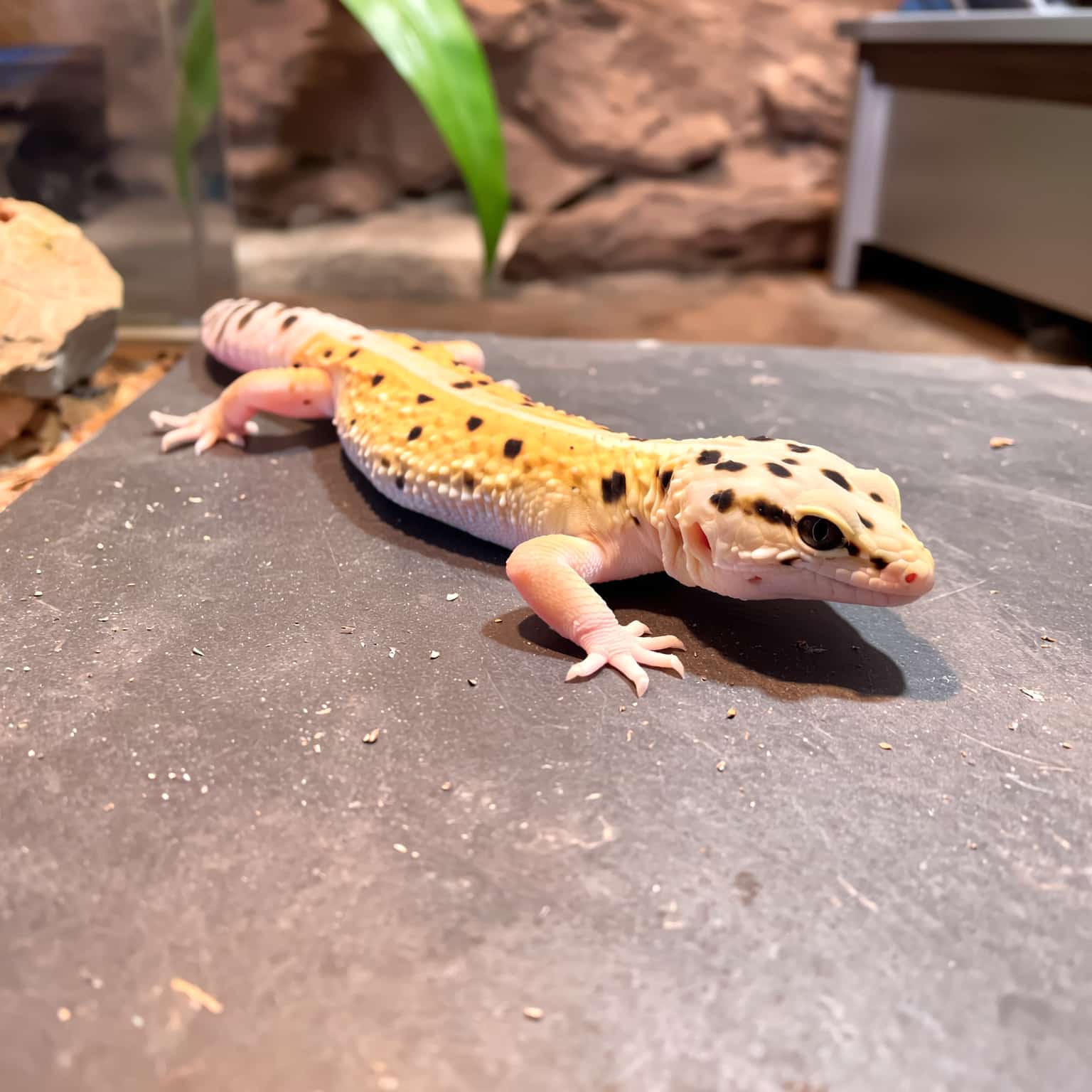
Leopard geckos are among the most popular reptiles in the pet trade, and one of the reasons is their long, steady growth and impressive lifespan compared to other small reptiles. Understanding how they develop from hatchling to senior ensures that keepers can provide the right care at each life stage.
Growth is not just about size—it reflects nutrition, husbandry, and overall wellbeing. A gecko that grows at a healthy pace is usually receiving the correct balance of diet, hydration, and temperature. Conversely, slow growth or weight loss may signal issues discussed in the Health Issues & Common Diseases hub.
On average, leopard geckos live 10–15 years in captivity, though many reach beyond 20 with proper care. This makes them a long-term commitment and highlights the importance of understanding their growth phases, nutritional needs (see Feeding & Nutrition Guide), and adjustments in habitat.
As they mature, their behavior also changes—juveniles are more active and fragile, while seniors may require softer diets and more frequent health checks, topics covered further in Vet & Medical Care.
This guide explores leopard gecko growth at each stage, lifespan expectations in the wild vs captivity, and the special care senior geckos need to thrive.
Growth Stages of Leopard Geckos
Leopard geckos pass through several distinct growth stages, each with unique nutritional and husbandry requirements. Monitoring progress against an age-appropriate chart helps detect issues early.
1. Hatchling (0–2 months)
- Size: 2.5–3 inches, weight around 3–5 grams.
- Require frequent feeding—daily meals of small insects.
- Fragile and highly sensitive to temperature and humidity changes.
2. Juvenile (2–6 months)
- Grow rapidly, reaching 15–30 grams.
- Feeding should remain frequent but with slightly larger prey.
- At this stage, calcium and vitamin supplementation is critical to avoid metabolic issues, a topic expanded in the Feeding & Nutrition Guide.
3. Sub-Adult (6–12 months)
- Weight: 30–50 grams.
- Growth begins to slow, feeding frequency can be reduced to every other day.
- Personality traits and social behaviors become more distinct.
4. Adult (12+ months)
- Average adult size: 7–10 inches, 50–90 grams depending on genetics and diet.
- Feeding every 2–3 days is usually sufficient.
- Stable growth indicates healthy metabolism and husbandry.
5. Senior (10+ years)
- Growth has long stabilized; weight maintenance becomes the priority.
- May need softer insects or occasional pureed diets if dental wear or jaw weakness develops.
- More susceptible to illness, tying directly into the Vet & Medical Care cluster.
Tracking these stages allows owners to spot abnormal development early. Deviations from expected size or weight should prompt a closer look at husbandry or potential health issues.
Factors That Influence Growth
Not all leopard geckos grow at the same pace. Genetics, environment, and husbandry all shape their development and long-term size.
1. Genetics
Some morphs are naturally larger (e.g., Giant morphs), while others are smaller and more delicate. Understanding morph background helps set realistic expectations.
2. Nutrition
A balanced diet of gut-loaded insects, calcium, and vitamins is the foundation of steady growth. Poor feeding practices or inadequate supplementation can slow development, often leading to problems described in the Health Issues & Common Diseases hub.
3. Temperature & Habitat
Growth depends heavily on proper tank conditions. If the enclosure is too cold, digestion slows and geckos fail to gain weight. Consistent heat gradients allow proper metabolism and nutrient absorption.
4. Hydration
Adequate hydration supports healthy digestion and shedding. Dehydration can halt growth and contribute to skin and organ problems.
5. Stress & Handling
Excessive stress from frequent handling, overcrowding, or poor hiding spaces may suppress appetite and slow growth. Insights into stress behaviors are discussed in the Handling & Bonding cluster.
6. Illness
Parasites, respiratory infections, or metabolic bone disease can all interfere with growth. Monitoring weight regularly helps detect such conditions early.
By addressing these factors, keepers ensure their gecko grows at a healthy pace and reaches its full potential.
Average Lifespan of Leopard Geckos
Leopard geckos are known for their impressive longevity compared to many other reptiles of similar size. With proper care, they often live far longer than new keepers expect.
Lifespan in Captivity
- Average: 10–15 years
- Well-cared-for individuals: 18–20+ years
- Record cases: over 25 years reported in exceptional conditions
Captive geckos live longer because they are protected from predators, have steady access to food, and receive medical care when needed. Guidance from the Vet & Medical Care cluster is essential for achieving maximum lifespan.
Lifespan in the Wild
- Typically shorter: 6–8 years on average
- Limited by predators, seasonal food shortages, and exposure to disease
- Harsh climates also reduce survival chances
Male vs Female
- Both sexes have similar lifespans.
- Breeding females may face additional strain from egg production, which can shorten their lives if not properly supported nutritionally.
Understanding these differences helps set realistic expectations and emphasizes the long-term commitment required when keeping leopard geckos as pets.
Senior Care in Leopard Geckos
As leopard geckos age, their care requirements evolve. Owners must adapt husbandry and feeding practices to support long-term health.
1. Nutrition Adjustments
- Senior geckos may have weaker jaws or dental wear, making it harder to chew hard-shelled insects.
- Softer feeders such as waxworms (in moderation) or pureed insect mixes can help.
- Nutritional balance remains critical, with calcium and vitamins continuing to play a role. More feeding strategies are discussed in the Feeding & Nutrition guide.
2. Health Monitoring
- Older geckos are more prone to weight loss, organ decline, and infections.
- Regular weight tracking ensures any decline is detected early.
- Veterinary checkups become increasingly important to detect subtle changes.
3. Habitat Modifications
- Provide lower hides and ramps to reduce climbing strain.
- Ensure heating and humidity remain stable, as aging geckos are less tolerant of fluctuations.
- Soft, non-abrasive substrates help prevent injuries to fragile skin.
4. Reduced Stress
- Limit handling sessions, as seniors tire easily.
- Maintain a predictable routine, which supports appetite and reduces stress.
With attentive care, senior geckos can remain healthy and active well into their late teens or beyond.
Conclusion
Leopard geckos are long-lived reptiles, with the potential to thrive for decades when provided with proper care. Their growth follows clear stages—from fragile hatchlings to resilient adults and, eventually, to seniors requiring adapted husbandry. Tracking progress with growth charts helps ensure that each gecko is developing at a healthy pace.
Nutrition, temperature regulation, and hydration remain the most important influences on growth and longevity. When problems occur, such as slowed growth or weight loss, they often connect to broader topics covered in Health Issues & Common Diseases, including parasites, shedding problems, or metabolic disorders.
With consistent attention, even senior geckos can maintain vitality well beyond the average reptile lifespan. Regular monitoring, adapted diets, and veterinary support (explored in the Vet & Medical Care cluster) give keepers the tools to help their geckos live long and comfortable lives.
Ultimately, understanding growth and lifespan highlights the commitment required: leopard geckos are not short-term pets but lifelong companions.
FAQs About Leopard Gecko Lifespan
What’s the average lifespan of a pet leopard gecko?
With proper care, most leopard geckos live 15–20 years in captivity. Some reach 25+ years.
What’s the oldest recorded leopard gecko?
Reports exist of leopard geckos living over 30 years with exceptional care. While rare, it shows their long potential lifespan.
Do male or female geckos live longer?
Males often live slightly longer since females experience stress from egg production. Non-breeding females, however, can live just as long.
Can leopard geckos die of old age?
Yes. Like all animals, geckos eventually slow down and pass naturally, even with excellent care. Signs of aging include lower activity, slower shedding, and reduced appetite.
What shortens a leopard gecko’s lifespan?
Poor diet and lack of supplements
Unsafe substrates (like sand) leading to impaction
Incorrect heating or humidity
Stressful housing conditions
Untreated illnesses
For guidance on avoiding these risks, see our common leopard gecko health issues guide.
Author

