
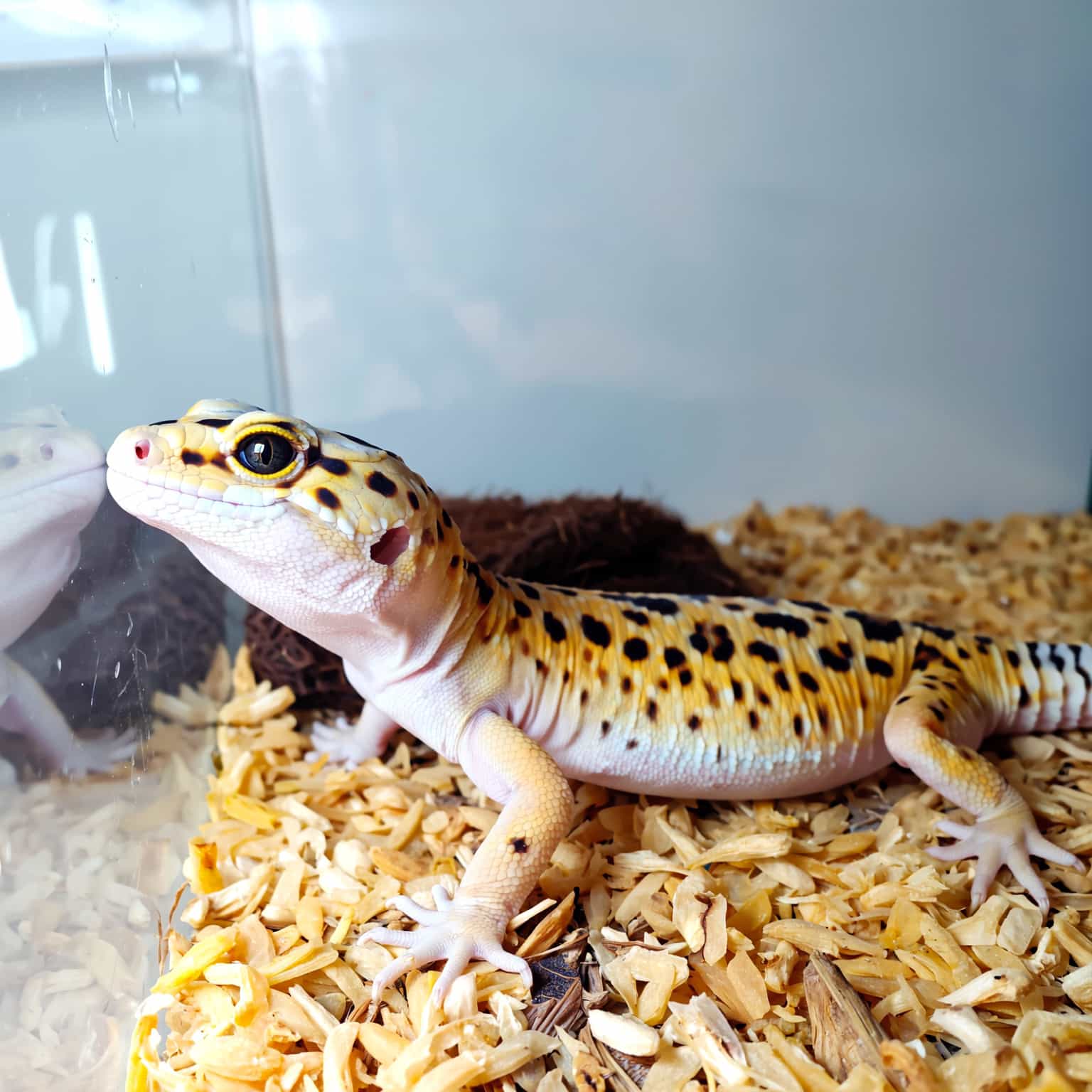
Leopard geckos are often described as beginner-friendly reptiles, but even hardy pets can suffer when basic care guidelines are misunderstood. Many new owners unknowingly make small errors that, over time, lead to stress, illness, or even shortened lifespans.
This article highlights the most common mistakes in leopard gecko care, from substrate choices to feeding routines, hydration, and handling. Understanding these pitfalls will help keep your gecko healthy, stress-free, and thriving.
For a structured overview of correct practices, the Complete Leopard Gecko Care Guide serves as the central resource that connects all aspects of housing, diet, and health.
Substrate Mistakes
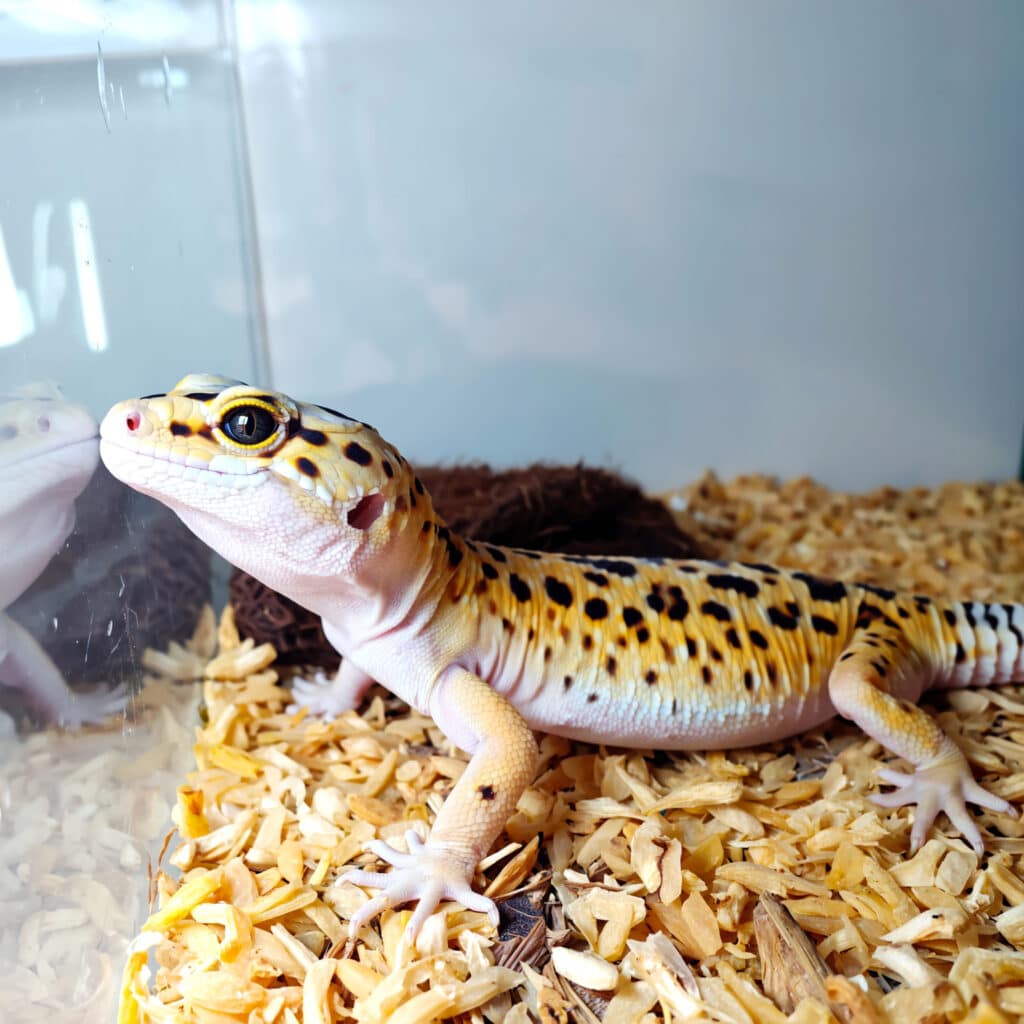
One of the most widespread errors among new leopard gecko owners is using loose sand or similar substrates. While sand is often marketed as “natural desert flooring,” it does not reflect the rocky, compact terrain of the gecko’s native habitat.
Loose substrates carry the risk of impaction, a condition where particles are accidentally ingested and block the digestive tract. This can be fatal if not treated. Other unsuitable choices include walnut shells, wood chips, or gravel, which can cause injuries or respiratory irritation.
Safer alternatives include reptile carpet, slate or ceramic tile, and even paper towels for hatchlings or quarantine tanks. These options are easy to clean, hygienic, and reduce the risk of health complications.
A detailed comparison of pros and cons is outlined in the guide on Best Substrates for Leopard Geckos, which explains why certain materials are safe while others should always be avoided.
Feeding Mistakes
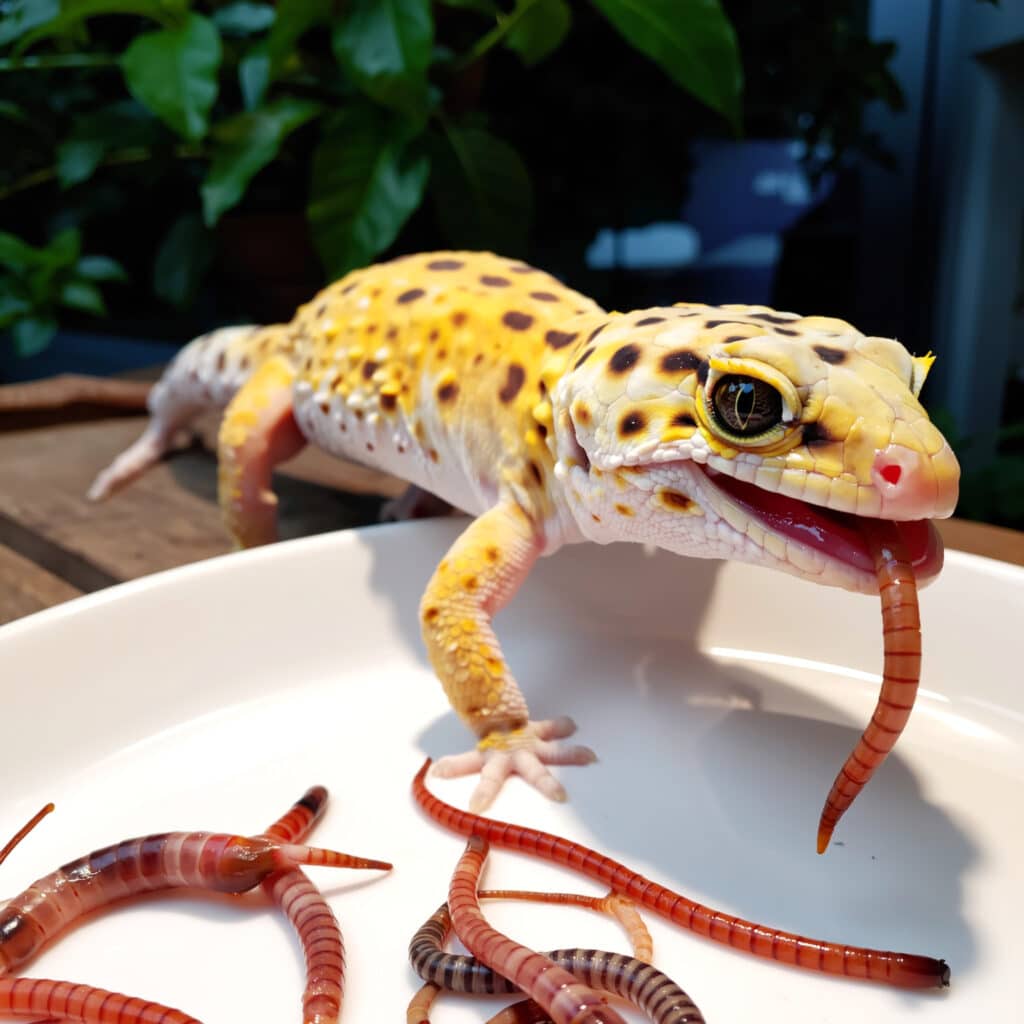
Diet is one of the areas where new owners often go wrong. The most common error is offering insects that are too large for the gecko to swallow safely. As a rule, feeders should never be larger than the space between the gecko’s eyes.
Another frequent mistake is relying too heavily on high-fat insects such as waxworms or superworms. While geckos enjoy them, overuse leads to obesity and metabolic issues. Feeding only one type of insect is also problematic, since variety is essential for balanced nutrition.
Supplementation is another area of concern. Skipping calcium and vitamin D3 dusting, or using it inconsistently, can cause metabolic bone disease. Proper supplementation routines, along with gut-loading feeders, are essential to long-term health.
A broader explanation of balanced diet strategies and supplementation schedules can be found in the Feeding & Nutrition hub, which connects safe insect choices, portion sizes, and supplement routines.
Hydration Mistakes
Hydration is sometimes overlooked because leopard geckos come from arid environments. Many beginners assume they don’t need water at all, which can lead to dehydration and shedding problems.
A common error is not providing a clean, shallow water bowl at all times. Even if you rarely see your gecko drink, it will hydrate when necessary, especially at night. Water dishes should be cleaned and refilled daily to prevent bacteria buildup.
Another mistake is neglecting to provide a humid hide. Without this, geckos struggle to shed properly, and retained shed can accumulate around the toes and eyes, leading to infections or loss of digits.
The right balance matters—excess humidity in the enclosure can also create problems, such as mold growth or respiratory infections. More details on correct setups are explained in the Hydration & Water Needs guide, which outlines how to prevent both dehydration and over-humid conditions.
Handling Mistakes
Leopard geckos are generally tolerant of handling, but improper techniques can cause stress or even injury. A frequent mistake among beginners is picking the gecko up too soon after bringing it home. New arrivals need at least a week to adjust before being handled.
Another common error is grabbing the gecko from above. This mimics a predator’s attack and can frighten the animal. Instead, let it walk onto your hand from below. Sudden movements or loud environments also add unnecessary stress during handling sessions.
Children are often eager to hold leopard geckos, but unsupervised handling can be risky. Falls from even small heights can cause broken bones or tail loss. Proper education and supervision are essential.
A structured approach to taming, trust-building, and safe handling routines is described in the Handling & Bonding guide, which explains how to recognize stress signals and develop a positive interaction with your gecko.
Environmental Mistakes
A leopard gecko’s health depends heavily on its enclosure, yet many beginners overlook key environmental details. One of the most frequent errors is placing the enclosure in an unsuitable location—near windows, in drafty areas, or where direct sunlight can overheat the tank.
Temperature gradients are another common issue. Without a proper warm side (90–95°F) and cool side (75–80°F), geckos cannot regulate their body temperature, leading to stress and digestive problems. Using heating pads without a thermostat is especially dangerous, as it can cause burns.
Lighting mistakes also occur when owners keep geckos in constant darkness or bright light 24/7. These reptiles need a day-night cycle to maintain natural rhythms.
Finally, some setups lack enough hides or enrichment, leaving the gecko exposed and stressed. At minimum, three hides are required: warm, cool, and humid.
The Tank Setup Guide explains enclosure design in detail, from heating placement to ventilation and safe decoration choices.
Conclusion
Leopard geckos are resilient reptiles, but repeated mistakes in husbandry can slowly undermine their health. Substrate errors, poor feeding habits, lack of hydration, unsafe handling, and inadequate environmental setups are the most common issues faced by new keepers.
Most of these problems are avoidable once owners understand the basics. A comprehensive overview of correct practices is outlined in the Complete Leopard Gecko Care Guide, while health-related consequences of poor husbandry are explained in the Health Issues & Diseases hub.
By learning from common mistakes and adjusting routines early, owners give their leopard geckos the best chance to thrive in captivity.
FAQs – Common Mistakes in Leopard Gecko Care
Can leopard geckos live on sand?
No. Despite being sold as “desert sand,” loose substrates like sand are dangerous and can cause impaction if ingested. Safer options include slate tile, reptile carpet, or paper towels, which are easier to clean and much healthier.
How often should I feed my leopard gecko?
Feeding frequency depends on age. Hatchlings need food daily, juveniles every other day, and adults two to three times per week. Overfeeding, especially with fatty insects like waxworms, can lead to obesity.
Do leopard geckos need a water bowl?
Yes. Even though they come from arid habitats, leopard geckos must always have access to a shallow bowl of fresh water. A humid hide is also essential to help with shedding and hydration.
What is the biggest mistake beginners make?
The most common mistake is poor enclosure setup—using the wrong substrate, skipping a thermostat, or not providing enough hides. These errors often lead to stress, illness, and reduced lifespan.
Author

