
1. Introduction
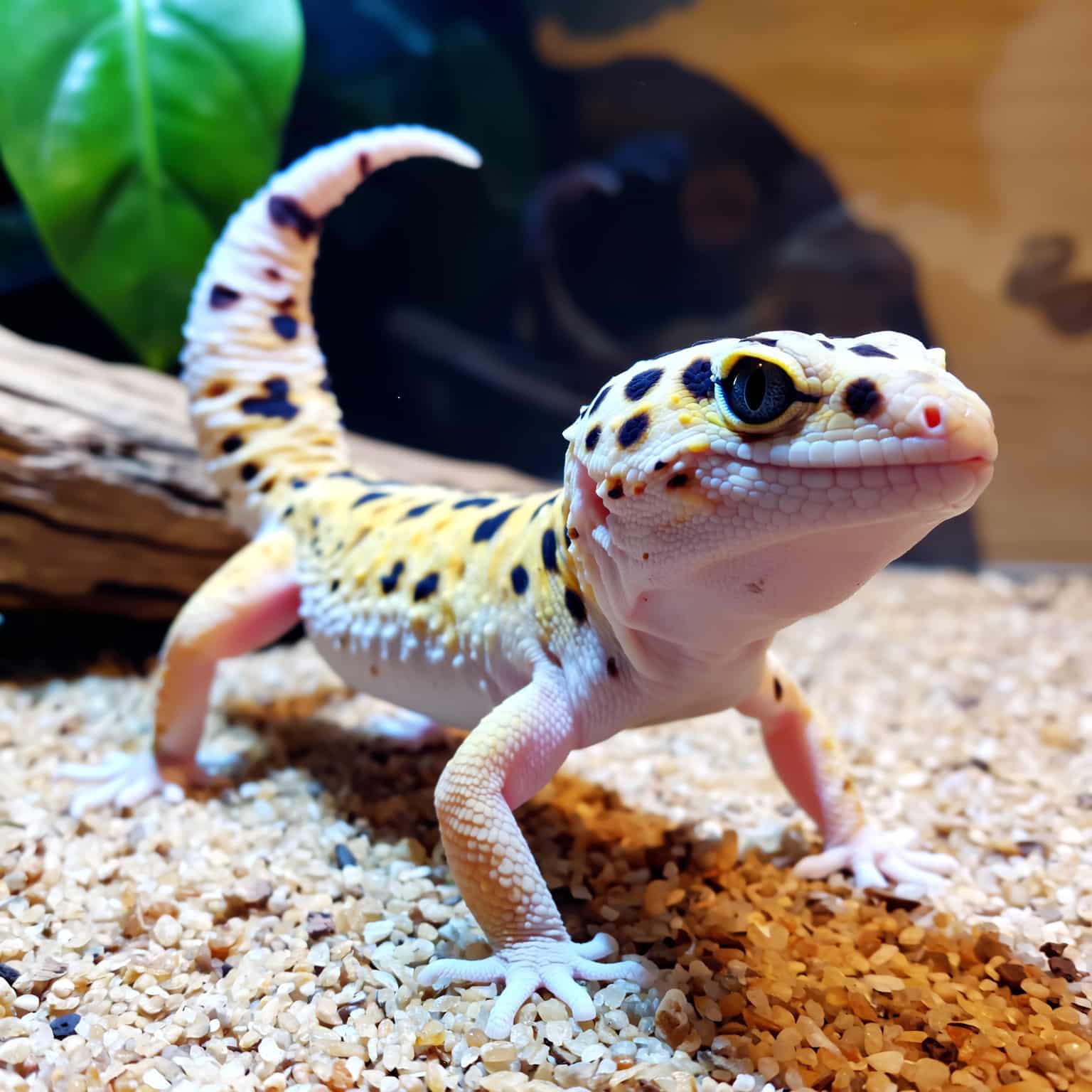
Tail movements in leopard geckos are not random—they are a form of communication. Understanding why your gecko waves its tail helps you interpret its mood, stress level, and interactions with its environment.
This behavior is one of the key stress & behavior signs owners should learn to recognize, since it often indicates either defense or social interaction.
2. Different Types of Tail Waving and Their Meanings
2.1 Slow Tail Wave
- A defensive signal often seen when a gecko feels threatened.
- Common during introductions to other geckos or when handled too soon.
- Related to Handling & Bonding Tips where trust-building is essential.
2.2 Fast Tail Vibrations
- Usually observed in males during breeding interactions.
- Can also signal excitement when hunting prey.
- This behavior ties closely with Breeding Basics and Feeding & Hunting Behavior.
2.3 Tail Rattle or Shaking
- A warning to other geckos to stay away.
- Often accompanied by aggressive postures or vocalizations.
- Connects with Aggression Signs in Leopard Geckos within the stress behaviors.
2.4 Tail Raising with Stillness
- Indicates high alertness, as if the gecko is “ready for action.”
- Can occur when exploring new environments (see Tank Setup Guide for safe habitat preparation).
3. Contexts in Which Tail Waving Happens
3.1 During Handling
- A gecko that waves its tail slowly when being picked up is likely stressed.
- This is often a warning to stop or proceed more gently.
- Related article: Handling & Bonding Tips explains how to reduce handling stress.
3.2 In Social Interactions
- Tail waving between geckos can signal dominance or defense.
- In breeding contexts, males often vibrate their tails to attract females (Breeding Basics).
- In group housing, frequent tail waving may suggest tension (Gecko Social Behavior).
3.3 When Hunting Prey
- Quick tail vibrations may occur when the gecko is excited and stalking insects.
- This natural behavior shows anticipation rather than stress.
- See also: Leopard Gecko Feeding & Nutrition.
3.4 As a Defensive Response
- If startled by sudden movement, a gecko may raise or wave its tail to warn off threats.
- This connects directly to the Stress & Behavior Signs pillar.
4. Difference Between Tail Waving and Tail Dropping
Tail Waving
- A warning or communication signal.
- The tail remains attached and movements are controlled.
- Often linked to stress, defense, or breeding contexts.
- Example: A gecko slowly waving its tail when another gecko approaches.
Tail Dropping (Autotomy)
- A last-resort defense mechanism where the gecko detaches its tail.
- Happens when the gecko feels extreme fear or is physically grabbed.
- The tail continues to wriggle on the ground to distract predators.
- Recovery requires special care (see Tail Loss in Leopard Geckos).
Why the Distinction Matters
- Misinterpreting tail waving as tail dropping could cause unnecessary worry.
- Waving is temporary communication; dropping is a permanent event with health implications.
- Owners should watch carefully for stress signs that may escalate into tail loss.
5. How Owners Should Respond to Tail Waving
5.1 During Handling
- If your gecko begins slow tail waving, pause and give it space.
- Avoid sudden movements and let the gecko calm down before continuing.
- See Handling & Bonding Tips for safe approaches.
5.2 In a Shared Enclosure
- Frequent tail waving between geckos may suggest stress or dominance issues.
- Consider separating them to prevent aggression (see Gecko Social Behavior).
5.3 When Hunting
- Fast tail vibrations while stalking prey are normal.
- No intervention needed—this is healthy excitement (see Feeding & Nutrition).
5.4 When Alarmed or Defensive
- If a gecko waves its tail after being startled, remove the stressor.
- Check for enclosure issues like loud noise, poor lighting, or vibrations (Enclosure Placement & Environment).
6. Conclusion & Key Takeaways
Tail waving is one of the clearest communication signals leopard geckos use.
- Slow waves usually mean defense or stress.
- Fast vibrations often appear during hunting or breeding.
- Tail shaking or rattling warns other geckos to stay away.
Understanding these signals helps owners adjust handling, habitat, or social setups to reduce stress. Unlike tail dropping, which is a serious defensive act, tail waving is a valuable insight into your gecko’s behavior and well-being.
For a full understanding of other warning signals, see the Stress & Behavior Signs in Leopard Geckos pillar.
FAQs
Why does my leopard gecko wave its tail slowly?
A slow wave is usually a defensive gesture, signaling that the gecko feels threatened or cautious.
What does fast tail vibration mean in leopard geckos?
Fast vibrations often occur during hunting or breeding. It’s a sign of excitement, not stress.
Is tail waving always a bad sign?
No. Tail waving can mean defense, but also communication or excitement. Context is key.
How is tail waving different from tail dropping?
Tail waving is a controlled signal, while tail dropping is a last-resort defense where the tail detaches completely.
Author

