
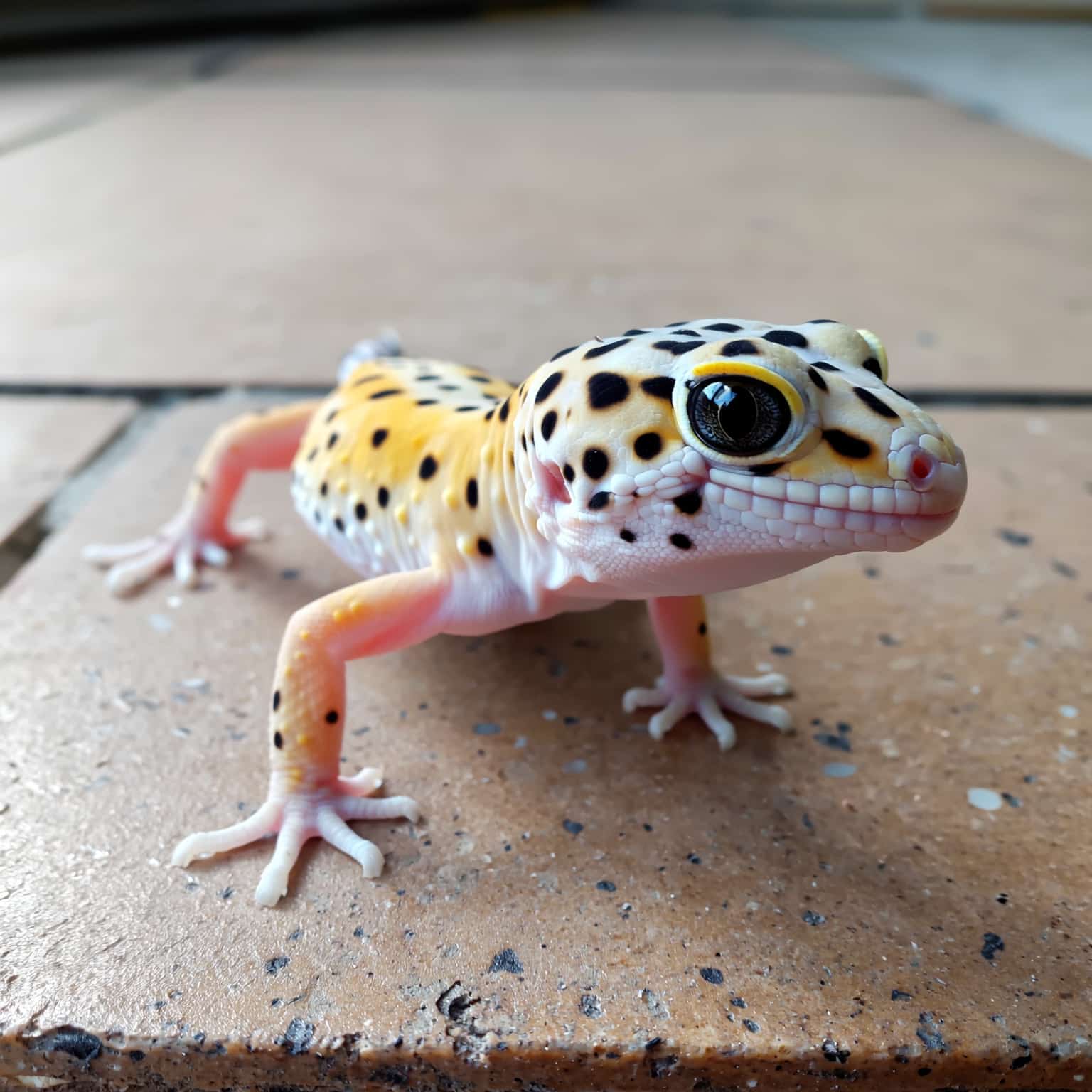
Leopard geckos are hardy reptiles, but like all pets, they can get sick if their care isn’t optimal. The challenge is that geckos often hide signs of illness — a natural survival instinct in the wild. This means keepers must pay close attention to both physical appearance and behavior to spot problems early.
In this guide, we’ll cover how to tell if your leopard gecko is thriving or showing warning signs of illness. From bright eyes and a plump tail to lethargy and weight loss, you’ll learn the differences between healthy and sick geckos — and when it’s time to see a vet.
Why It’s Important to Recognize Health Signs
Early Detection Prevents Serious Illness
Reptiles often decline quickly once visible symptoms appear. By catching subtle signs early, you can intervene before a minor issue becomes life-threatening.
How Behavior Reflects Overall Health
Leopard geckos communicate health through body language, activity levels, and feeding habits. A gecko that stops eating or hides excessively may be signaling stress, husbandry problems, or illness.
Knowing these indicators helps you adjust care or seek medical help when necessary. For a broader look at conditions that affect them, see our guide on common leopard gecko health problems.
Part 2: Physical Signs of a Healthy Leopard Gecko

A healthy leopard gecko shows visible indicators that reflect proper nutrition, hydration, and husbandry.
Bright, Alert Eyes
- Eyes should be clear, wide, and responsive to movement.
- No swelling, cloudiness, or discharge.
Clear Nose and Mouth
- Nostrils free of mucus or bubbles.
- Mouth should close fully without drooling or crust around the lips.
Full, Plump Tail (Fat Storage)
- A leopard gecko stores fat reserves in its tail.
- A plump, rounded tail is a strong sign of good nutrition and health.
- Thin, shrunken tails often indicate illness or starvation.
Smooth, Even Skin Without Lesions
- Healthy geckos have firm, even-colored skin.
- No sores, retained shed, or unusual bumps.
- Skin should shed cleanly in cycles without persistent patches.
If your gecko doesn’t match these physical signs, you may need to review its care. For example, stuck shed is often linked to humidity issues — see our shedding guide for safe fixes.
Behavioral Signs of a Healthy Leopard Gecko
Beyond physical appearance, behavior is one of the best indicators of your gecko’s overall well-being.
Regular Appetite and Hunting Response
- Healthy geckos eat consistently, showing interest in live feeders.
- They stalk and strike prey with accuracy.
- Occasional fasting may happen during breeding or seasonal changes, but long-term refusal to eat is a red flag (see our feeding guide).
Normal Activity During Dawn/Dusk
- Leopard geckos are crepuscular, meaning they’re most active at twilight.
- Expect them to explore, hunt, and dig around hides during these hours.
Calm but Alert When Handled
- A healthy gecko tolerates gentle handling without extreme stress.
- They may crawl slowly over your hands but shouldn’t thrash or gape excessively.
Regular Shedding Without Issues
- Shedding should happen smoothly every few weeks, depending on age.
- No stuck shed on toes, tail, or eyes.
- If shedding problems occur, they usually point to humidity issues (see our humidity guide).
Healthy behavior reflects proper husbandry — consistent feeding, safe substrate, correct heating, and a secure enclosure.
Warning Signs of a Sick Leopard Gecko
If your gecko shows any of these symptoms, it may be sick or suffering from poor husbandry. Early detection is critical.
Lethargy or Unusual Hiding Behavior
- A normally active gecko that becomes sluggish or hides constantly may be unwell.
- While daytime hiding is normal, complete inactivity at night signals a problem.
Refusal to Eat for Extended Periods
- Skipping meals occasionally is fine, but refusing food for 2+ weeks often indicates illness, stress, or incorrect temperatures.
- If paired with weight loss, seek veterinary advice.
Weight Loss and Thin Tail
- A shrinking, bony tail is one of the clearest indicators of malnutrition or disease.
- Rapid weight loss can be caused by parasites, stress, or improper diet.
Labored Breathing, Mucus, or Wheezing
- Respiratory infections are common when humidity is too high.
- Signs include open-mouth breathing, bubbles from the nose, or audible wheezing.
Sunken Eyes or Dehydration
- Healthy eyes are round and alert. Sunken or dull eyes signal dehydration or systemic illness.
- Severe dehydration also causes wrinkled skin and lethargy.
If you notice any of these, review your care setup and consult our common leopard gecko health issues guide for potential causes.
Common Health Problems in Leopard Geckos
Some illnesses show up repeatedly in captive leopard geckos, especially when care isn’t optimal. Recognizing them early can save your gecko’s life.
Metabolic Bone Disease (MBD)
- Cause: Lack of calcium, vitamin D3, or UVB exposure.
- Signs: Weak jaw, crooked spine, shaky movements, deformities in limbs.
- Prevention: Proper supplementation and/or low-level UVB lighting.
Parasites and Digestive Issues
- Cause: Contaminated feeders, poor hygiene, or stress.
- Signs: Runny or foul-smelling stool, weight loss despite eating.
- Solution: Fecal exams and treatment from a reptile vet.
Respiratory Infections
- Cause: High humidity, poor ventilation, or low tank temperatures.
- Signs: Wheezing, mucus, open-mouth breathing.
- Treatment: Immediate vet care with antibiotics.
Stuck Shed and Skin Infections
- Cause: Low humidity or missing humid hide.
- Signs: Retained skin on toes, tail, or eyes, sometimes leading to infections.
- Fix: Maintain proper humidity (see our humidity guide) and offer a humid hide.
These are the most common but not the only issues. Regular checkups and good husbandry prevent most health problems before they start.
When to See a Reptile Vet
Not every small change in behavior means your leopard gecko is sick. But certain symptoms are red flags that require immediate veterinary care.
Red-Flag Symptoms
Seek a reptile vet right away if your gecko shows:
- Extreme weight loss or a stick-thin tail
- Refusal to eat for 2+ weeks (with no seasonal cause)
- Labored breathing, mucus, or wheezing
- Severe lethargy, unresponsiveness, or inability to move normally
- Visible injuries, infections, or abscesses
- Persistent stuck shed cutting off circulation to toes or tail
How to Find a Qualified Reptile Veterinarian
- Look for an exotics or herp specialist — not all vets treat reptiles.
- Check associations like the Association of Reptile and Amphibian Veterinarians (ARAV).
- Always call ahead to confirm the vet has experience with leopard geckos specifically.
Preparing for the Vet Visit
- Bring a stool sample if parasites are suspected.
- Take notes on your gecko’s husbandry (temps, diet, substrate, supplements).
- Transport in a secure ventilated container with mild heat if needed.
A knowledgeable reptile vet can diagnose issues that aren’t obvious to the naked eye — and timely intervention often makes the difference between recovery and decline.
Conclusion & Next Steps
Recognizing the difference between a healthy and a sick leopard gecko is one of the most important skills for any keeper. Subtle changes in weight, appetite, or activity can quickly reveal whether your gecko is thriving or struggling.
Key Takeaways
- ✅ Healthy Geckos: Bright eyes, plump tails, smooth skin, steady appetite, and normal twilight activity.
- ❌ Sick Geckos: Weight loss, lethargy, refusal to eat, stuck shed, respiratory issues, or sunken eyes.
- 🦎 Prevention is always better than cure — correct heating, humidity, diet, and hygiene go a long way.
- 🚨 Red-flag symptoms (thin tail, wheezing, extreme lethargy) require immediate vet attention.
By monitoring your gecko’s appearance and behavior daily, you’ll catch problems early and ensure a long, healthy life.
FAQs About Leopard Gecko Health
How often should a healthy gecko eat?
Juveniles: Daily feedings.
Adults: Every 2–3 days.
A consistent appetite is a strong sign of good health.
Why is my gecko losing weight even if it eats?
Possible causes include parasites, poor digestion, or nutrient imbalance.
A vet check with a fecal test is recommended in these cases.
Is it normal for geckos to skip meals?
Adults may occasionally skip meals, especially in colder months or breeding season.
Long-term refusal to eat (over 2 weeks) usually signals a husbandry problem or illness (see our feeding guide).
What’s the most obvious sign of a sick gecko?
A thin, bony tail paired with lethargy is one of the clearest danger signs.
Other red flags include mucus, breathing issues, or persistent stuck shed.
Can stress make a gecko look sick?
Yes. Improper handling, tank mates, or poor enclosure setup can cause stress behaviors that mimic illness. Fixing husbandry often improves health.
Author

