
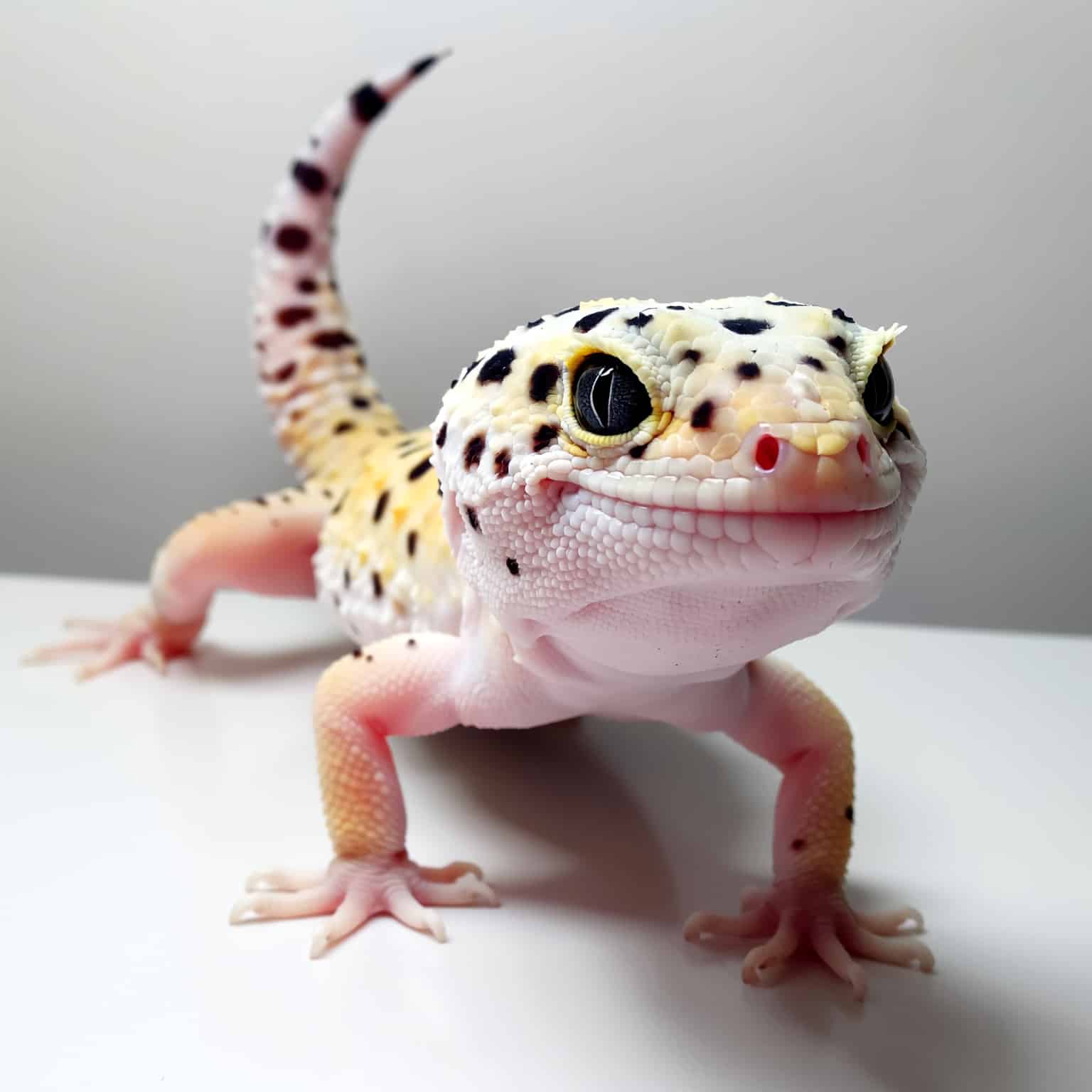
Leopard geckos are hardy reptiles, but even the toughest pets can develop health problems if their care isn’t dialed in. Understanding the basics of leopard gecko health helps owners catch issues early and prevent common illnesses before they become serious. From diet and environment to behavior and appearance, small changes can be the first signs of trouble.
Something as simple as unsafe flooring can lead to impaction or shedding problems, which is why habitat design ties directly into health. Choosing the best substrate for leopard geckos is one of the first steps in preventing avoidable illnesses.
In this guide, we’ll cover the most common leopard gecko diseases, how to recognize symptoms, and the best ways to prevent illness through proper care. Whether you’re a beginner or a seasoned reptile keeper, this resource will help you keep your gecko healthy and thriving.
Understanding Leopard Gecko Health Basics
Signs of a Healthy Leopard Gecko
A healthy leopard gecko will display:
- Clear, alert eyes free from discharge
- Smooth, well-hydrated skin with no sores or stuck shed
- Consistent appetite and interest in hunting prey
- Strong, thick tail storing fat reserves
- Active behavior at night, with curiosity when exploring
Weight and tail thickness are especially important indicators. A thin tail or sudden weight loss often signals illness.
Why Regular Monitoring Is Important
Reptiles are masters at hiding illness—a survival tactic in the wild. This means problems may only become obvious when the disease has already progressed. Regular monitoring of your gecko’s weight, eating habits, and shedding cycles can help catch subtle changes.
Keep a simple health log where you note feeding frequency, shedding dates, and weight checks. This record can be invaluable if you need to consult a reptile veterinarian later.
Common Leopard Gecko Diseases & Conditions
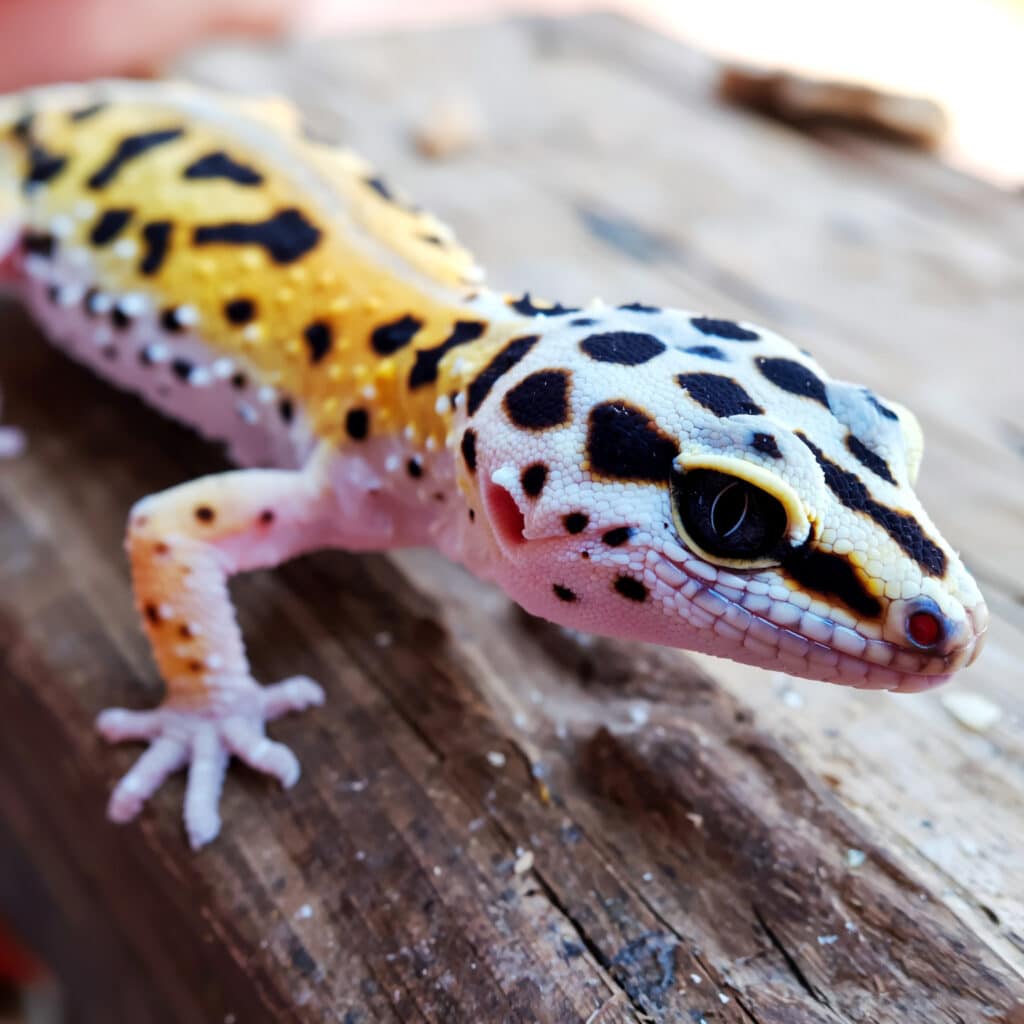
Metabolic Bone Disease (MBD)
One of the most well-known illnesses in leopard geckos is Metabolic Bone Disease (MBD). It occurs when the gecko’s body cannot properly absorb calcium, often due to a poor diet, lack of supplements, or inadequate lighting.
Symptoms of MBD include:
- Soft or deformed jaw bones
- Curved spine or bowed legs
- Tremors and difficulty walking
- Loss of appetite and weakness
MBD is preventable with proper supplementation of calcium and vitamin D3, along with correct tank conditions. This is why creating a safe habitat, from substrate to heating, is so important for long-term health. The balance between flooring, lighting, and temperature works together to keep bones strong, as discussed in the leopard gecko temperature guide.
Respiratory Infections & Parasites
Respiratory infections are usually the result of enclosures that are too humid or too cold. Signs include wheezing, bubbles around the nose, open-mouth breathing, and lethargy. Prompt veterinary treatment is required, as untreated respiratory issues can quickly worsen.
Parasites are another common issue, often introduced through contaminated feeder insects or poor tank hygiene. Symptoms include diarrhea, weight loss, and refusal to eat. A vet can diagnose parasites through stool samples and prescribe the right medication.
Prevention Tips:
- Keep enclosure humidity at 30%–40%, with a moist hide for shedding.
- Always buy feeder insects from reputable sources.
- Maintain strict cleaning routines.
Nutritional & Digestive Issues
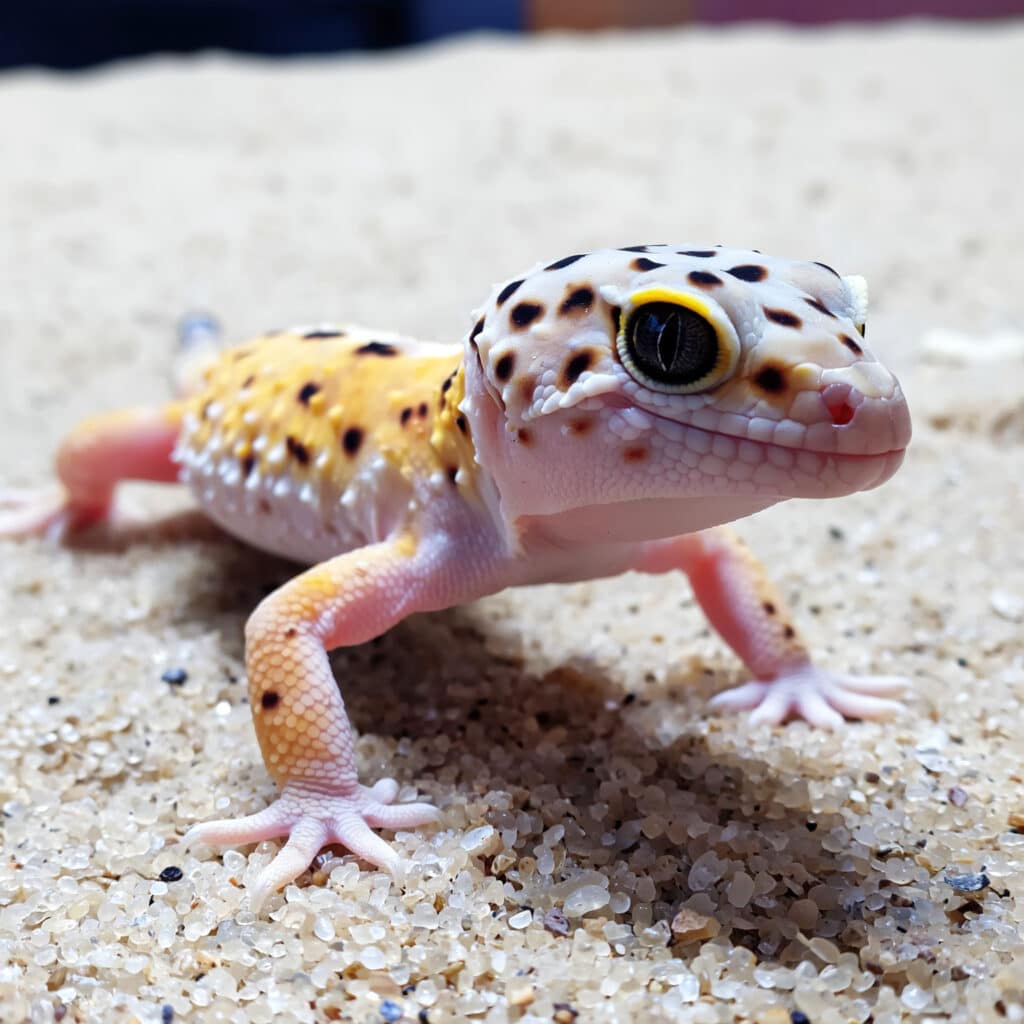
Impaction Causes and Prevention
Impaction is one of the most dangerous yet preventable conditions in leopard geckos. It occurs when indigestible material blocks the digestive tract. Common causes include:
- Ingesting loose substrates like sand or crushed walnut
- Feeding prey items that are too large
- Inadequate basking temperatures slowing digestion
Symptoms include lethargy, lack of appetite, bloating, and straining without passing stool. To prevent impaction, always use safe substrates (like tile, reptile carpet, or paper towels), provide proper belly heat for digestion, and feed appropriately sized insects.
Obesity, Anorexia & Appetite Loss
While many new owners worry about underfeeding, obesity is an equally common issue in leopard geckos. Overfeeding fatty insects like waxworms can cause excessive fat buildup, leading to liver disease and reduced activity. Signs of obesity include thick fat deposits under the armpits and a tail that’s disproportionately wide compared to the body.
On the other hand, appetite loss may be caused by improper tank temperatures, stress, or illness. It’s normal for adults to skip meals occasionally, but prolonged refusal to eat requires investigation.
Keeping a consistent feeding routine with balanced supplementation ensures your gecko maintains a healthy weight and energy level. For more guidance, see the complete leopard gecko feeding guide, which outlines schedules and safe food choices.
Skin, Eyes & Shedding Problems
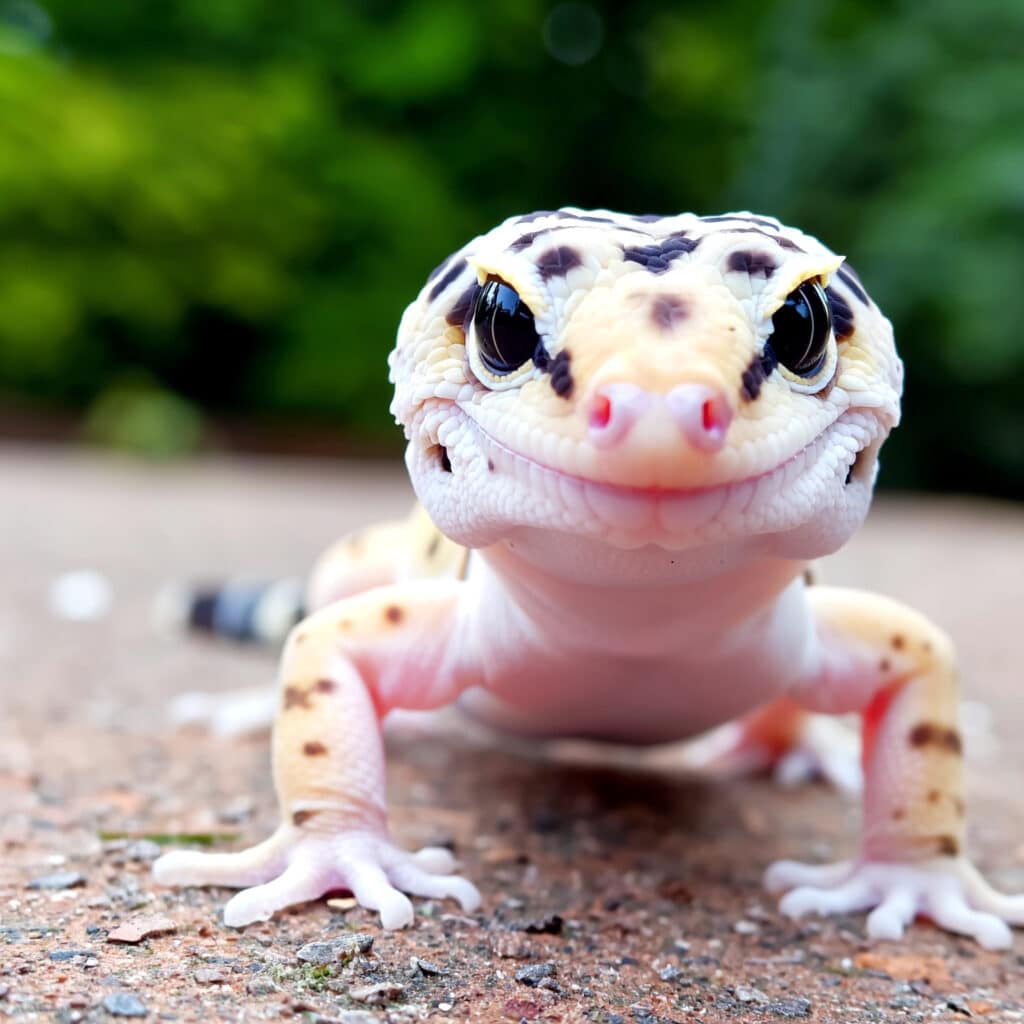
Dysecdysis (Stuck Shed)
Leopard geckos normally shed their skin every 4–6 weeks, but sometimes the old skin doesn’t come off completely—a condition called dysecdysis or “stuck shed.” This is most common around toes, tail tips, and eyes. If not addressed, stuck shed can cut off circulation and cause permanent damage.
Causes of dysecdysis:
- Low humidity in the enclosure
- Lack of a proper moist hide
- Dehydration or poor nutrition
Providing a moist hide lined with damp moss or paper towels and keeping humidity stable during shed cycles prevents most shedding problems. If stuck shed appears, a warm soak or gentle removal with a cotton swab can help.
For step-by-step instructions on maintaining moisture balance, see the leopard gecko humidity guide.
Eye Infections and Abscesses
Leopard gecko eyes are sensitive, and issues often develop if shedding problems or poor hygiene go unaddressed. Symptoms of eye infections include swelling, discharge, cloudiness, or the gecko keeping its eyes shut.
Causes may include:
- Retained shed around the eyes
- Bacterial contamination from dirty substrate
- Vitamin A deficiency
Treatment requires veterinary care, but prevention starts with clean enclosures, safe flooring, and a balanced diet. Providing variety in feeders and ensuring vitamin supplementation lowers the risk of recurring eye problems.
Preventing Illness Through Proper Care
The Role of Diet, Supplements & Habitat Setup
Most common leopard gecko diseases are preventable with a proper diet and well-maintained environment. A balanced feeding routine of gut-loaded insects, paired with calcium and vitamin D3 supplementation, prevents issues like metabolic bone disease and appetite loss.
Habitat setup is equally critical. Safe substrates, proper hides, and hygienic food and water dishes minimize risks of impaction and bacterial infections. Enclosure enrichment, such as low climbing structures and textured surfaces, also reduces stress and promotes natural behaviors.
When husbandry is done right, many illnesses never develop in the first place.
How Temperature & Humidity Impact Health
Tank conditions are often at the root of health issues. Incorrect temperatures can cause digestive problems, while improper humidity contributes to shedding difficulties and respiratory infections.
- Temperature: Keep a gradient of 88–92°F on the warm side and 75–80°F on the cool side.
- Humidity: Maintain 30%–40% overall with a moist hide at 70%–80% for shedding.
When heating, lighting, and flooring work together, geckos thrive with fewer health risks. To understand how these conditions should be set up, see the leopard gecko tank setup guide, which explains enclosure design step by step.
When to Seek Veterinary Care
Warning Signs You Can’t Ignore
Even with perfect care, leopard geckos can still get sick. Early veterinary intervention can save your pet’s life, so it’s important to recognize when professional help is necessary.
Red flags include:
- Sudden weight loss or a noticeably thin tail
- Refusal to eat for more than two weeks (adults) or one week (juveniles)
- Swollen joints, abnormal posture, or difficulty walking
- Discharge from the eyes, nose, or mouth
- Stuck shed cutting off circulation to toes or tail tips
- Labored breathing or frequent wheezing
If any of these symptoms appear, isolate the gecko, review enclosure conditions, and book a reptile veterinarian appointment as soon as possible.
How to Find a Reptile-Experienced Vet
Not all veterinarians are trained to treat reptiles, so finding one with reptile or exotic animal expertise is crucial. Good ways to locate a qualified vet include:
- Searching directories from associations like ARAV (Association of Reptile and Amphibian Veterinarians)
- Asking local reptile groups or forums for recommendations
- Checking reviews for exotic vet clinics in your area
Always bring recent husbandry records, including feeding logs and temperature/humidity data, as this information helps the vet diagnose problems quickly.
Conclusion
Leopard geckos are resilient reptiles, but their well-being depends on attentive care and proper husbandry. By learning to recognize early warning signs, understanding common leopard gecko diseases, and maintaining safe enclosure conditions, owners can prevent most health issues before they arise.
A balanced diet, correct supplementation, stable temperatures, safe substrates, and clean hydration go a long way toward ensuring long-term leopard gecko health. When paired with regular observation and quick access to a reptile veterinarian when needed, these practices help geckos thrive for many years in captivity.
🦎 “Discover everything you need to know about leopard geckos – visit Reptizen today!”
Author

