
🟩Introduction
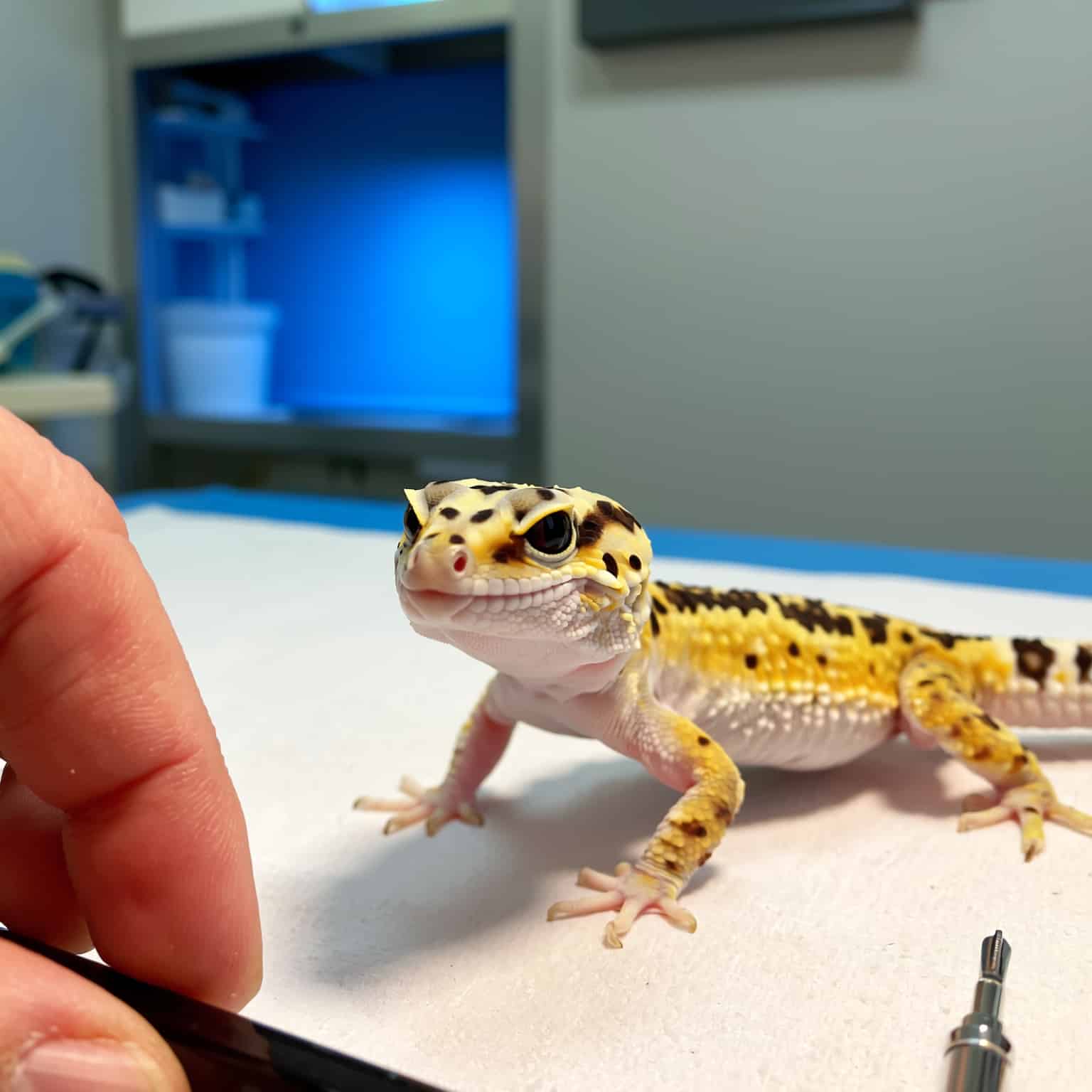
Leopard geckos are among the most popular reptiles kept as pets thanks to their calm nature and low maintenance. Yet, like any animal, they can get sick — and when that happens, finding an exotic vet becomes crucial. A leopard gecko’s physiology differs significantly from mammals, meaning only trained specialists can correctly diagnose and treat their conditions.
Many general veterinarians lack experience with reptiles and may miss subtle signs such as breathing issues, calcium deficiency, or early dehydration. An exotic vet understands the unique needs of reptiles: body temperature regulation, UVB exposure, and specialized diets.
Visiting a reptile veterinarian is not just for emergencies — it’s essential for preventive care, early disease detection, and nutritional evaluation. Even a healthy gecko should have a routine checkup once a year to ensure long-term wellness.
To learn more about preventive routines and common illnesses, explore the Leopard Gecko Vet & Medical Care Guide, which covers early warning signs, treatment options, and annual care recommendations.
🌡️ Entendendo os efeitos do calor extremo nas plantas em vasos
Antes de aprender como proteger vasos contra o calor extremo, é importante entender o impacto das altas temperaturas nas plantas cultivadas em recipientes. O calor intenso afeta diretamente o solo, o sistema radicular e até a absorção de nutrientes, comprometendo o equilíbrio natural do desenvolvimento vegetal.
Durante os dias mais quentes, a superfície dos vasos — especialmente os de plástico e metal — absorve a radiação solar e transfere o calor para o substrato. Essa elevação térmica pode chegar a mais de 45 °C, sufocando as raízes e acelerando a evaporação da água. O resultado é um solo ressecado, com rachaduras e pouca capacidade de retenção de umidade.
Além disso, a temperatura elevada faz com que as plantas transpirem mais, perdendo água em um ritmo maior do que conseguem absorver. As folhas começam a enrolar, queimar nas bordas e murchar — sinais típicos de estresse térmico.
Os vasos de cerâmica e barro sofrem menos com esse problema, pois possuem porosidade natural que ajuda a regular a temperatura interna. Por isso, escolher o material certo é um dos passos fundamentais para proteger vasos contra o calor extremo e manter a saúde das plantas.
Essas variações térmicas também afetam a eficiência da irrigação. Em dias muito quentes, parte da água evapora antes de chegar às raízes, tornando necessário seguir as orientações de ajustando a rega ao clima seco para maximizar a absorção.
Compreender esses efeitos é o primeiro passo para agir com eficiência e garantir que o seu jardim continue bonito mesmo sob o sol intenso.
🟩Why an Exotic Vet Is Essential
Not every veterinarian can safely handle or diagnose a reptile. Leopard geckos require exotic vets — professionals specialized in reptile anatomy and metabolism. Their cold-blooded physiology, delicate bones, and reliance on environmental factors make them very different from mammals.
An exotic vet is trained to recognize early-stage health problems that are invisible to the untrained eye. For example, slight jaw softness can reveal metabolic bone disease, a condition caused by calcium deficiency and poor UVB exposure. A change in breathing rhythm could indicate respiratory infection, often linked to humidity imbalance.
These specialists also know how to collect accurate fecal samples, perform parasite screenings, and adjust environmental factors that affect health. They don’t just treat illness — they prevent it by ensuring that your heating, lighting, and diet are all properly balanced.
A general vet might overlook these details or misinterpret symptoms as stress or lack of appetite. But a qualified exotic veterinarian will evaluate the entire ecosystem your gecko lives in, from temperature gradient to substrate hygiene. For more insight into reptile-related illnesses, see Leopard Gecko Health Issues & Common Diseases.
🟩How to Find a Qualified Exotic Vet
Finding the right exotic vet for your leopard gecko can take time, but it’s one of the most valuable investments for long-term health. The first step is to search through reptile-specific associations, such as the Association of Reptilian and Amphibian Veterinarians (ARAV.org), which lists professionals certified in reptile medicine. Local herpetological societies or reptile expos also share trusted veterinary contacts.
Another effective approach is to ask reputable breeders or specialized pet stores where they take their reptiles. They often have established partnerships with clinics familiar with gecko care and can recommend vets who regularly handle small lizards.
Before making an appointment, call the clinic and ask key questions:
- “How often do you treat leopard geckos or other lizards?”
- “Do you perform reptile-specific exams, such as fecal analysis or bone density checks?”
- “What experience do you have with exotic species?”
A confident and informed response usually signals true expertise. For more tips on ensuring your gecko’s environment supports its health, visit the Tank Setup Guide, which explains ideal temperatures and lighting for optimal wellbeing.
🟩Evaluating the Vet’s Expertise
Once you’ve found a potential exotic veterinarian, it’s time to assess whether they truly understand leopard gecko biology. A good vet doesn’t rush through appointments; they ask detailed questions about temperature, lighting, feeding, and substrate, because these factors are directly tied to your gecko’s health.
During the visit, observe how the vet handles your reptile. An experienced specialist will support the gecko’s body gently, avoiding the tail (which can detach under stress). They may use digital thermometers to check your enclosure’s gradient or X-rays to assess calcium density — techniques rarely used by general vets.
You can also gauge expertise from the vet’s communication style. A professional will explain procedures in simple terms and encourage regular monitoring at home. If they provide printed care sheets or reference trusted sources like Leopard Gecko Care Guide, it’s a sign they stay updated on reptile husbandry research.
Finally, consider how the clinic handles emergencies. A reliable exotic vet should offer after-hours contact or collaboration with an emergency animal hospital familiar with reptiles. This can make the difference between life and death during critical situations such as egg binding or respiratory distress.
🟩Preparing for the First Vet Visit
Before your leopard gecko’s first visit to an exotic vet, preparation is key to making the experience smooth and stress-free. Start by scheduling the appointment early in the day, when temperatures are cooler and waiting times shorter. Avoid feeding your gecko right before travel — a full stomach can cause regurgitation during transport.
Use a secure, ventilated travel container, such as a small plastic terrarium lined with paper towels. Add a hide or cloth for comfort, and place a heat pack under one side (wrapped in a towel) to maintain temperature around 28–30 °C (82–86 °F).
Bring essential documents:
- A written record of feeding habits, shedding frequency, and recent behavior.
- Photos of your enclosure setup — lighting, substrate, thermometer readings.
- Fecal samples (collected within 24 hours) for parasite testing.
During the visit, stay calm; your gecko can sense stress. Let the vet handle your reptile carefully and answer all questions thoroughly. This first exam helps establish a health baseline, allowing future issues to be detected early.
For more on environmental stability before transport, review Humidity & Temperature Management — it ensures your gecko stays safe and comfortable even outside its habitat.
🟩Routine Checkups and Preventive Care
Routine visits to an exotic veterinarian are vital for maintaining your leopard gecko’s long-term wellbeing. Even if your gecko appears healthy, subtle signs of illness can develop slowly — making annual checkups an important part of preventive care.
During these visits, vets typically perform a full physical examination, weigh your gecko, and inspect its eyes, mouth, and skin. They may run a fecal parasite test, check bone health through palpation or X-rays, and review your husbandry setup (lighting, heating, and diet). This helps identify conditions like metabolic bone disease, dehydration, or malnutrition before they become severe.
Preventive care also includes regular monitoring at home: keeping track of your gecko’s feeding patterns, shedding cycles, and stool consistency. Sudden changes often indicate early issues such as stress or improper temperature control.
Your exotic vet can guide you in optimizing your feeding schedule and supplement use — two topics covered in detail in the Leopard Gecko Feeding & Nutrition Guide. These small adjustments often extend your gecko’s lifespan and improve its quality of life.
🟩Emergency Signs and When to Visit Immediately
Even with excellent care, emergencies can happen — and recognizing them early can save your leopard gecko’s life. Because reptiles instinctively hide weakness, symptoms often appear only when a condition has become serious. Knowing when to see an exotic vet immediately is essential.
Here are key emergency signs to watch for:
- Labored breathing or wheezing, often linked to respiratory infections or improper humidity.
- Refusal to eat for more than 10 days, especially in adults outside of brumation.
- Visible bone deformities or jaw softness, a sign of metabolic bone disease.
- Swollen belly or egg retention, which may indicate egg binding in females.
- Bloated limbs or lethargy, possibly due to parasites or impaction.
In these situations, don’t attempt home remedies — only an experienced reptile vet can diagnose accurately. Transport your gecko safely and maintain a stable temperature during the trip.
For detailed information on early symptoms and conditions, see Leopard Gecko Health Issues & Common Diseases, which lists warning signs and treatment insights for beginner owners.
🟩Cost and Planning for Veterinary Care
Understanding the cost of leopard gecko vet visits helps owners budget effectively and ensure consistent medical care. While expenses can vary depending on region and clinic, it’s best to plan for both routine checkups and unexpected emergencies.
Typical costs include:
- Initial examination: $50–$100 for a complete physical check by an exotic vet.
- Fecal parasite testing: $25–$50, usually recommended twice a year.
- X-rays or blood tests: $80–$200 depending on complexity.
- Emergency visits: $150–$300 if hospitalization or medication is needed.
To manage these expenses, many owners set aside a reptile health fund or use pet insurance that covers exotic species. Maintaining optimal husbandry — proper heat, UVB, and nutrition — also minimizes costly health issues in the long run.
You can refer to Leopard Gecko Tank Setup Guide for environmental adjustments that prevent illnesses caused by stress or poor temperature control, both common reasons for vet visits.
🟩Fecal Testing and Parasite Prevention
Regular fecal exams are one of the simplest yet most effective ways to ensure your leopard gecko stays healthy. Many geckos carry internal parasites — such as pinworms, coccidia, or flagellates — without showing obvious signs at first. Over time, these can lead to weight loss, lethargy, or abnormal droppings if left untreated.
Veterinarians typically recommend fecal testing every 6 to 12 months, or whenever you bring home a new gecko. A fresh stool sample (less than 24 hours old) is examined under a microscope to detect parasite eggs or cysts. If parasites are found, your vet will prescribe safe antiparasitic medication like metronidazole or fenbendazole.
To prevent reinfection, keep the enclosure clean by spot-cleaning daily and disinfecting surfaces weekly. Always wash your hands after handling feeder insects or waste. Quarantine new reptiles for at least 30 days before introducing them to others.
For a detailed overview of specific parasites and their symptoms, visit Parasites in Leopard Geckos, which explores prevention, detection, and treatment protocols in depth.
🟩Building a Long-Term Vet Relationship
Establishing a long-term relationship with an exotic veterinarian is one of the best investments in your leopard gecko’s health. Consistency allows the vet to understand your pet’s unique behaviors, growth patterns, and medical history — making diagnoses faster and treatments more accurate.
Schedule annual wellness exams and use the same clinic whenever possible. This creates a medical record that tracks changes in weight, appetite, shedding, and reproductive health. If your gecko ever becomes ill, the vet can easily compare new symptoms to past data, improving the chances of early detection.
Communication is key: share updates on your gecko’s diet, enclosure conditions, and recent behaviors. Exotic vets appreciate proactive owners who monitor their reptiles closely. Building trust also means you’ll feel comfortable seeking advice for even minor concerns before they escalate.
A reliable vet partnership supports every aspect of care — from nutrition and parasite prevention to ethical breeding guidance. For related topics on responsible long-term ownership, you can explore Ethical Gecko Ownership, which covers sustainable and humane reptile care practices.
🟩 FAQs – Leopard Gecko Vet & Medical Care
How often should I take my leopard gecko to the vet?
A healthy leopard gecko should visit an exotic vet at least once a year for a routine health check. However, juveniles or newly adopted geckos may need visits every 6 months to monitor growth and detect early health problems.
What should I bring to my gecko’s first vet visit?
Bring a secure travel container, recent photos of your enclosure (lighting, substrate, thermometer readings), and a fresh stool sample for parasite testing. This helps the vet assess your setup and overall husbandry quality.
How can I tell if my gecko needs immediate veterinary care?
Seek urgent attention if you notice refusal to eat for more than 10 days, labored breathing, soft or swollen limbs, or retained eggs in females. These are signs of serious illness or metabolic issues that require professional treatment.
Are reptile vets expensive?
Costs vary by region, but routine checkups usually range from $50–$100, and fecal parasite tests cost around $30–$50. Emergencies or X-rays can be higher, but preventive care and good husbandry significantly reduce long-term expenses.
Author

