
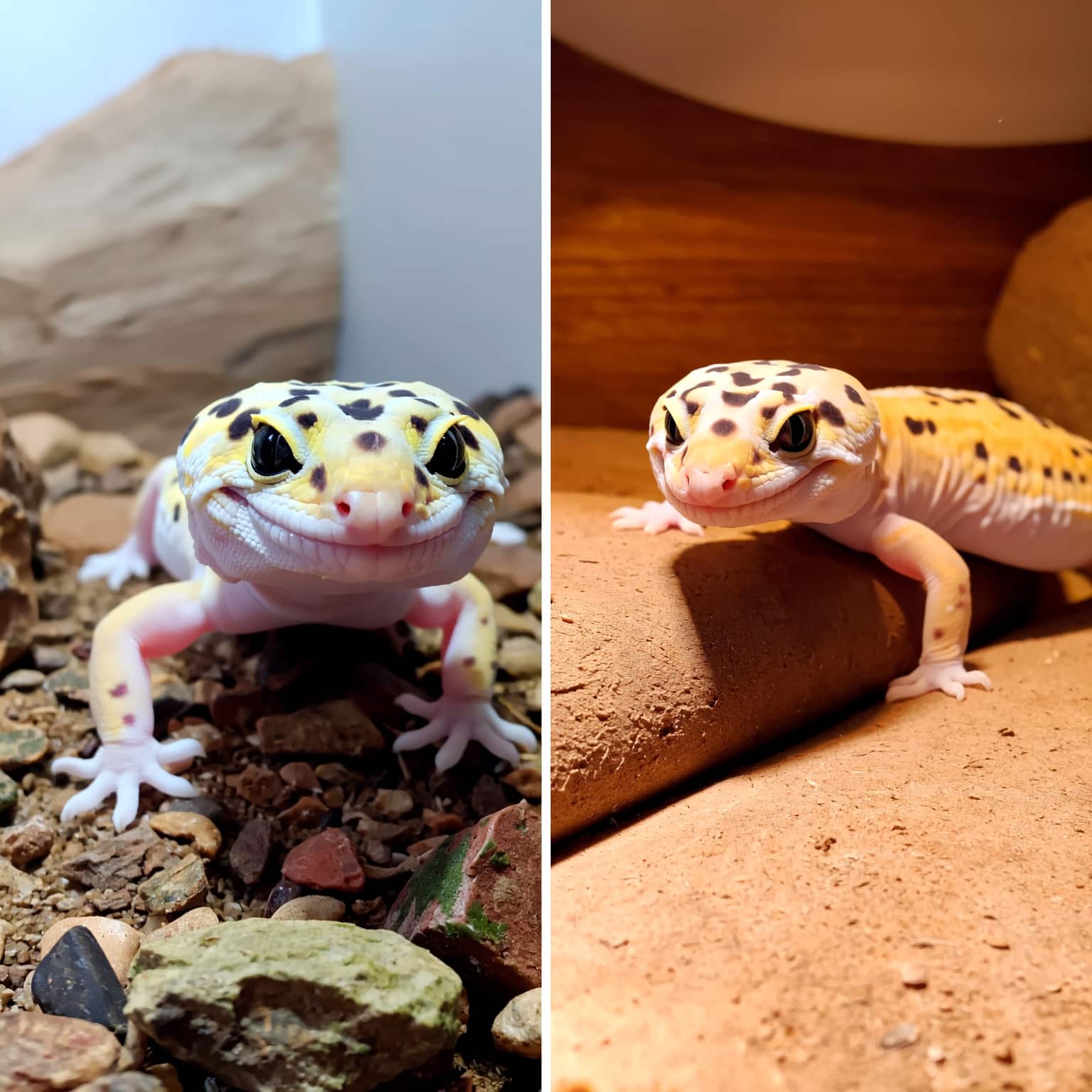
Leopard geckos are admired not only for their manageable size and calm behavior but also for their long lifespan compared to many other reptiles. However, how long they live depends heavily on whether they are in captivity or the wild.
In captivity, where conditions such as food, shelter, and medical care are controlled, leopard geckos often live far longer than their wild counterparts. In contrast, wild geckos face natural predators, seasonal challenges, and resource shortages that reduce survival rates.
This comparison highlights the impact of husbandry, diet, and veterinary support on longevity, and why keepers must see leopard geckos as long-term companions.
Average Lifespan in Captivity
When cared for properly, leopard geckos are among the longest-lived small reptiles in the pet trade.
- Typical lifespan: 10–15 years
- Well-cared individuals: 18–20+ years
- Record cases: Some geckos have been documented living past 25 years
Why captive geckos live longer
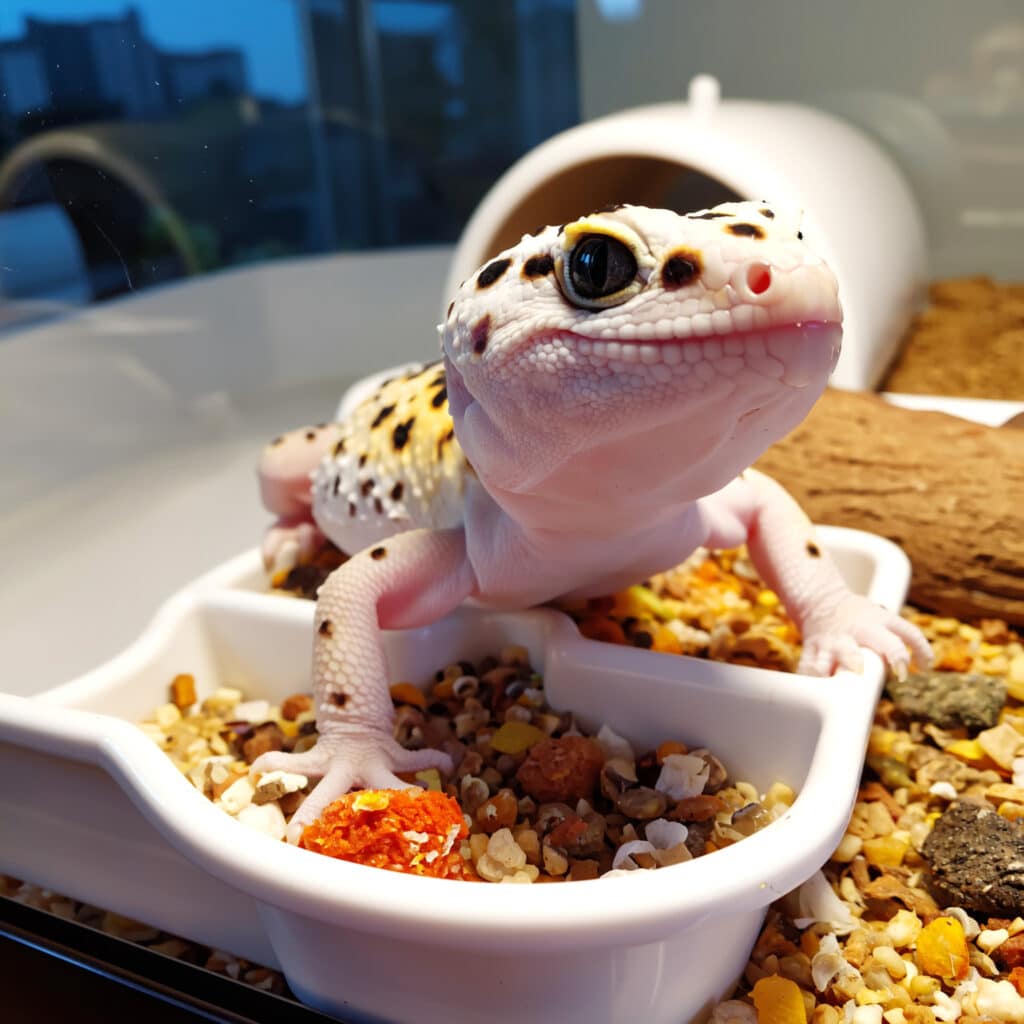
- Consistent Food Supply – Access to nutritious, gut-loaded insects keeps them healthy.
- Stable Environment – Heating, humidity, and hiding spots replicate their natural habitat without extremes.
- Veterinary Care – Regular checkups, parasite screening, and treatment extend lifespan, as discussed in Vet & Medical Care.
- Protection from Predators – Unlike in the wild, captive geckos don’t face constant threats from larger animals.
A well-maintained enclosure and balanced diet give leopard geckos the opportunity to live decades longer than most reptiles of similar size.
Average Lifespan in the Wild
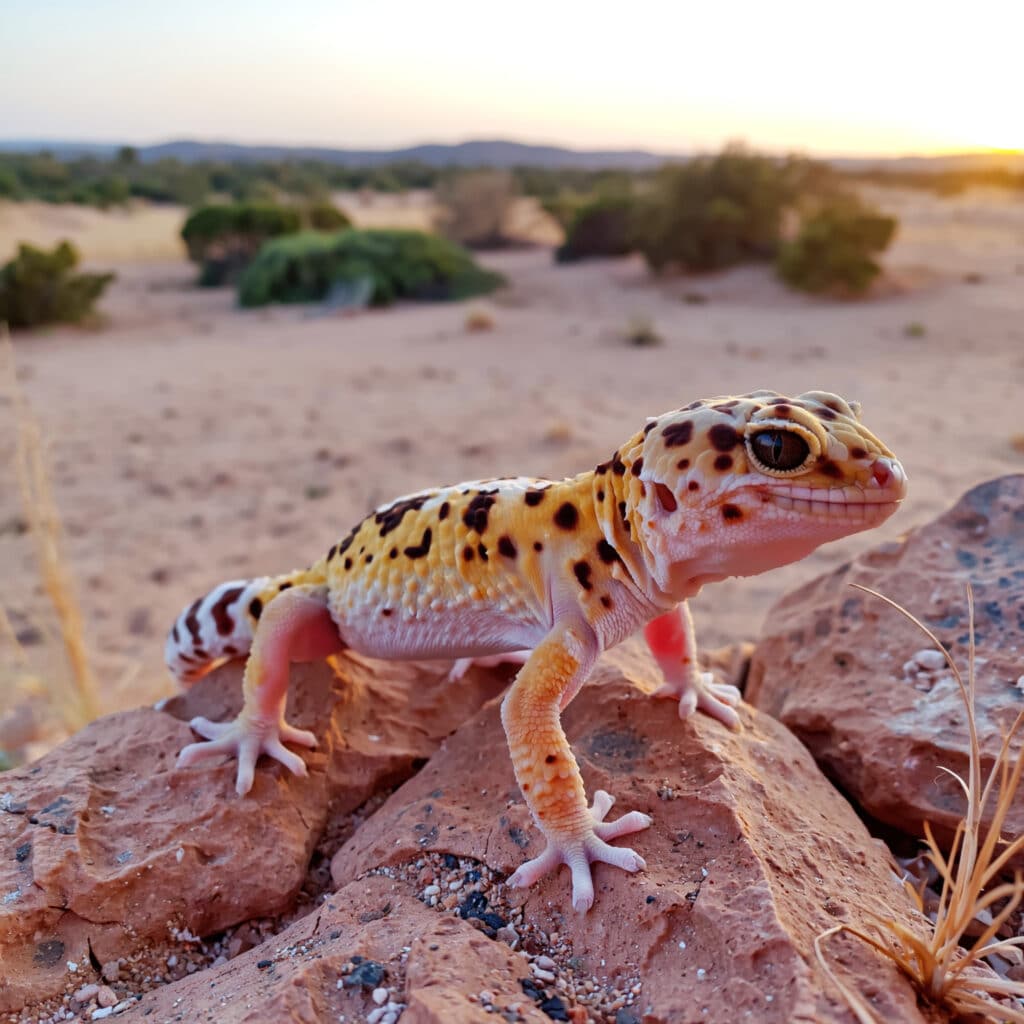
In their natural habitats of Afghanistan, India, Pakistan, and surrounding regions, leopard geckos face far greater survival challenges.
- Typical lifespan: 6–8 years
- Few reach 10+ years due to environmental pressures
Main Survival Challenges
- Predation – Birds, snakes, and small mammals prey on geckos, particularly juveniles.
- Food Scarcity – Seasonal droughts and habitat changes mean inconsistent access to insects.
- Extreme Temperatures – Sudden cold or intense heat can overwhelm geckos without shelter.
- Injuries & Disease – Wild geckos lack treatment for wounds, parasites, and infections that are manageable in captivity.
Many wild geckos also suffer from parasites and malnutrition, which shorten life expectancy—issues that overlap with the conditions outlined in the Health Issues & Common Diseases hub.
Key Differences Between Captive vs Wild Lifespan
The gap between captive and wild leopard geckos shows the impact of controlled care and husbandry.
| Aspect | Captivity | Wild |
|---|---|---|
| Average Lifespan | 10–15 years (up to 20–25 with excellent care) | 6–8 years (rarely over 10) |
| Food Supply | Constant, gut-loaded feeder insects | Seasonal, inconsistent availability |
| Health Care | Access to exotic vets and parasite treatment | No treatment for disease or injury |
| Predators | None | Birds, snakes, mammals |
| Environment | Stable heating, humidity, hides | Harsh, fluctuating conditions |
| Reproduction Strain | Controlled breeding reduces risks | Frequent egg-laying weakens females |
Interpretation
- Captive care removes most natural threats, allowing geckos to reach their genetic potential.
- Wild geckos may live shorter lives but play an essential role in balancing ecosystems.
This difference underscores the long-term responsibility of gecko ownership—keepers must be prepared for a pet that can live for decades.
Conclusion
Leopard geckos illustrate how dramatically environment influences lifespan. In captivity, they often thrive for 10–20+ years, benefiting from reliable food, stable housing, and medical care. In contrast, wild geckos rarely surpass 6–8 years, as predators, disease, and climate extremes reduce survival rates.
For keepers, this contrast emphasizes the importance of consistent husbandry and long-term commitment. A gecko’s potential lifespan depends less on genetics than on how well it is supported through proper nutrition, health monitoring, and regular checkups (see Vet & Medical Care).
This topic naturally connects to the broader Growth & Lifespan pillar, reminding owners that while leopard geckos can be resilient, their wellbeing is directly tied to the quality of care they receive.
FAQs – Lifespan in Captivity vs Wild
How long do leopard geckos live in captivity?
With proper care, leopard geckos typically live 10–15 years, and some reach 20–25 years.
How long do leopard geckos live in the wild?
In the wild, leopard geckos usually live 6–8 years due to predators, parasites, and food scarcity.
Why do leopard geckos live longer in captivity?
Captive geckos benefit from stable environments, regular feeding, and veterinary care, which greatly extend their lifespan.
Can female leopard geckos have shorter lifespans?
Yes, frequent egg-laying can reduce female lifespan if nutrition and care are inadequate. Proper diet and monitoring are essential.
Author

