

Setting up the perfect habitat is one of the most important steps in caring for a leopard gecko. A well-designed enclosure keeps your gecko healthy, reduces stress, and allows them to display natural behaviors. In this leopard gecko tank setup guide, we’ll walk through everything from choosing the right tank size to setting up heating, lighting, substrate, and décor. Whether you’re a beginner or upgrading your gecko’s home, this guide will give you a step-by-step approach to creating an enclosure that mirrors their natural environment, with careful attention to heating, lighting, and humidity requirements.
Understanding Leopard Gecko Natural Habitat
Leopard Geckos in the Wild: Climate & Terrain
Leopard geckos originate from arid and semi-arid regions of Afghanistan, Pakistan, India, and Iran. These areas are characterized by rocky deserts, sparse vegetation, and temperature fluctuations between day and night. The environment is dry most of the year, with occasional seasonal humidity during the rainy months.
The rocky terrain offers natural hides, crevices, and burrows where geckos rest during the day to avoid extreme heat. At night, they emerge to hunt insects in cooler conditions. Understanding this natural setting is crucial for recreating a similar microclimate in captivity.
How Their Natural Environment Influences Captive Care
In captivity, your goal is to mimic the warmth, dryness, and shelter of their wild habitat while making it safe and manageable. This means:
- Creating a temperature gradient so they can thermoregulate
- Ensuring safe hiding spots on both the warm and cool sides.
- Using low-humidity substrates but including a moist hide for shedding
- Avoiding constant bright lighting to respect their nocturnal nature
A habitat designed with these elements will keep your leopard gecko comfortable and encourage natural activity patterns.
Choosing the Right Enclosure Size & Type
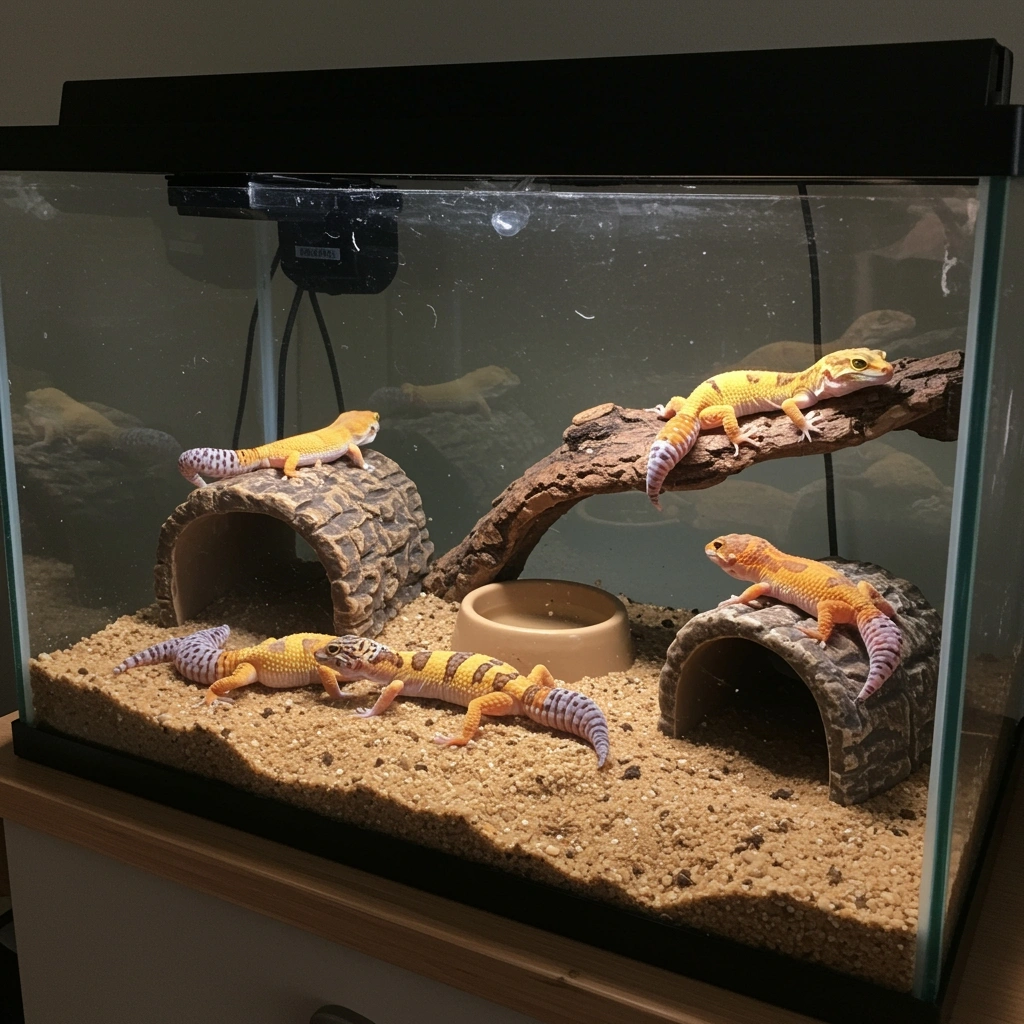
Best Tank Sizes for Hatchlings, Juveniles, and Adults
The right enclosure size ensures your leopard gecko has enough space to explore, thermoregulate, and hide comfortably. Tank size recommendations vary based on age and activity level:
| Life Stage | Minimum Size | Ideal Size | Notes |
|---|---|---|---|
| Hatchling (0–4 months) | 10 gallons | 15 gallons | Easier to maintain warmth and humidity in smaller space |
| Juvenile (4–12 months) | 15–20 gallons | 20 gallons long | Allows more room for enrichment and hunting |
| Adult (12+ months) | 20 gallons long | 30–40 gallons | Larger tanks encourage natural activity and prevent boredom |
While smaller tanks may work for young geckos, adults thrive in more spacious enclosures that allow for multiple hides, climbing structures, and a proper temperature gradient.
Glass Tanks vs. PVC vs. Other Materials
Leopard gecko enclosures come in a few common materials, each with its pros and cons:
- Glass Tanks – Widely available, affordable, and great for visibility. Best for dry environments but can lose heat faster.
- PVC Enclosures – Lightweight, excellent heat retention, and often come pre-fitted with lighting/heating fixtures.
- Melamine or Wooden Enclosures – Good for insulation, but must be sealed to prevent moisture damage.
Key Tip: Always opt for a secure, well-ventilated enclosure with a locking lid or sliding doors. While leopard geckos aren’t strong climbers, they can still push open lids that don’t fit tightly.
For most beginners, a 20-gallon long glass tank is a great starting point—spacious enough for proper habitat setup without being difficult to heat.
PART 3: Substrate Options – Safe vs. Unsafe
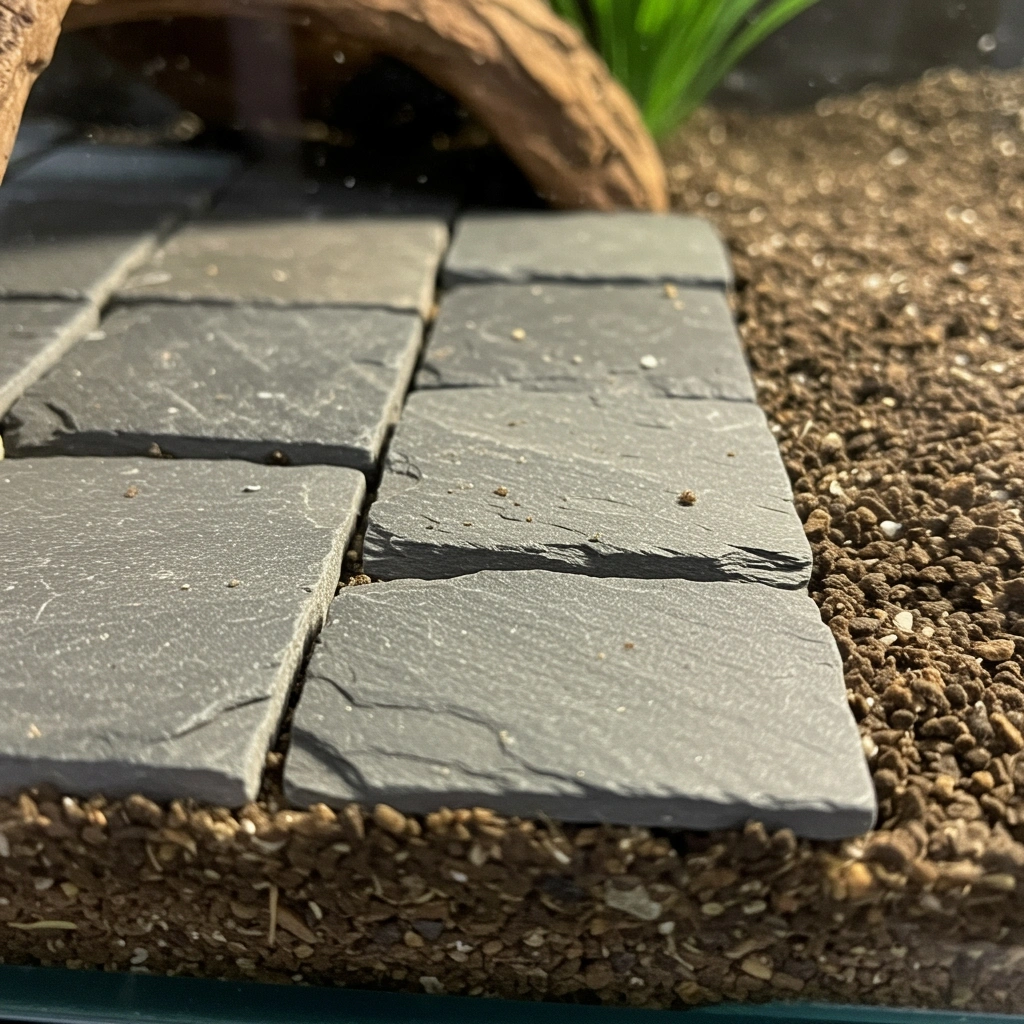
Best Bedding for Leopard Geckos
The substrate—what you place at the bottom of the leopard gecko tank—is more than just decoration; it directly affects your gecko’s health and hygiene. Safe options include:
- Reptile Carpet – Washable, reusable, and prevents ingestion risks.
- Paper Towels – Cheap, hygienic, and great for hatchlings or quarantine tanks.
- Slate Tiles – Natural look, easy to clean, and helps file down nails.
- Non-Adhesive Shelf Liner – Soft, easy to replace, and non-toxic.
These options eliminate the risk of impaction—a dangerous condition caused when geckos accidentally swallow loose substrate.
Substrates to Avoid for Safety
Some substrates commonly marketed for reptiles can be dangerous for leopard geckos:
- Loose Sand (Calcium or Play Sand) – High risk of impaction if ingested.
- Walnut Shells – Sharp edges can injure your gecko internally.
- Wood Shavings – Can be dusty, toxic, or cause respiratory problems.
- Gravel or Pebbles – May be swallowed accidentally, causing blockages.
While wild leopard geckos may encounter loose sand, they don’t live exclusively on it, and the controlled environment of a tank increases ingestion risks. Always choose substrates that are safe, easy to clean, and free from fine dust.
Heating & Lighting Setup
Creating a Warm and Cool Side
Leopard geckos depend on external heat to control their body temperature, making a proper temperature gradient crucial. Keep one side of the tank warmer to aid digestion, and the other cooler to provide a comfortable resting area.
Recommended Temperature Ranges:
- Warm Side (Basking Area): 88–92°F
- Cool Side: 75–80°F
- Nighttime Temperature: No lower than 70°F
Best Heating Methods:
- Under-Tank Heaters (UTH): Provide belly heat for digestion.
- Ceramic Heat Emitters (CHE): Maintain warmth without light, great for nighttime.
- Thermostat Controllers: Prevent overheating and keep temperatures consistent.
Always monitor temperatures with digital thermometers on both sides of the tank.
Do Leopard Geckos Need UVB Lighting?
While leopard geckos can survive without UVB lighting, many keepers provide low-level UVB to improve overall health and vitamin D3 synthesis. This can enhance calcium absorption and potentially reduce the risk of metabolic bone disease.
UVB Tips:
- Use a 2–5% UVB bulb for leopard geckos.
- Place UVB on the warm side of the enclosure.
- Replace UVB bulbs every 6–12 months, even if they still emit visible light.
If you choose not to use UVB, you must be diligent about providing calcium with D3 supplements to ensure proper bone health.
Humidity & Hydration
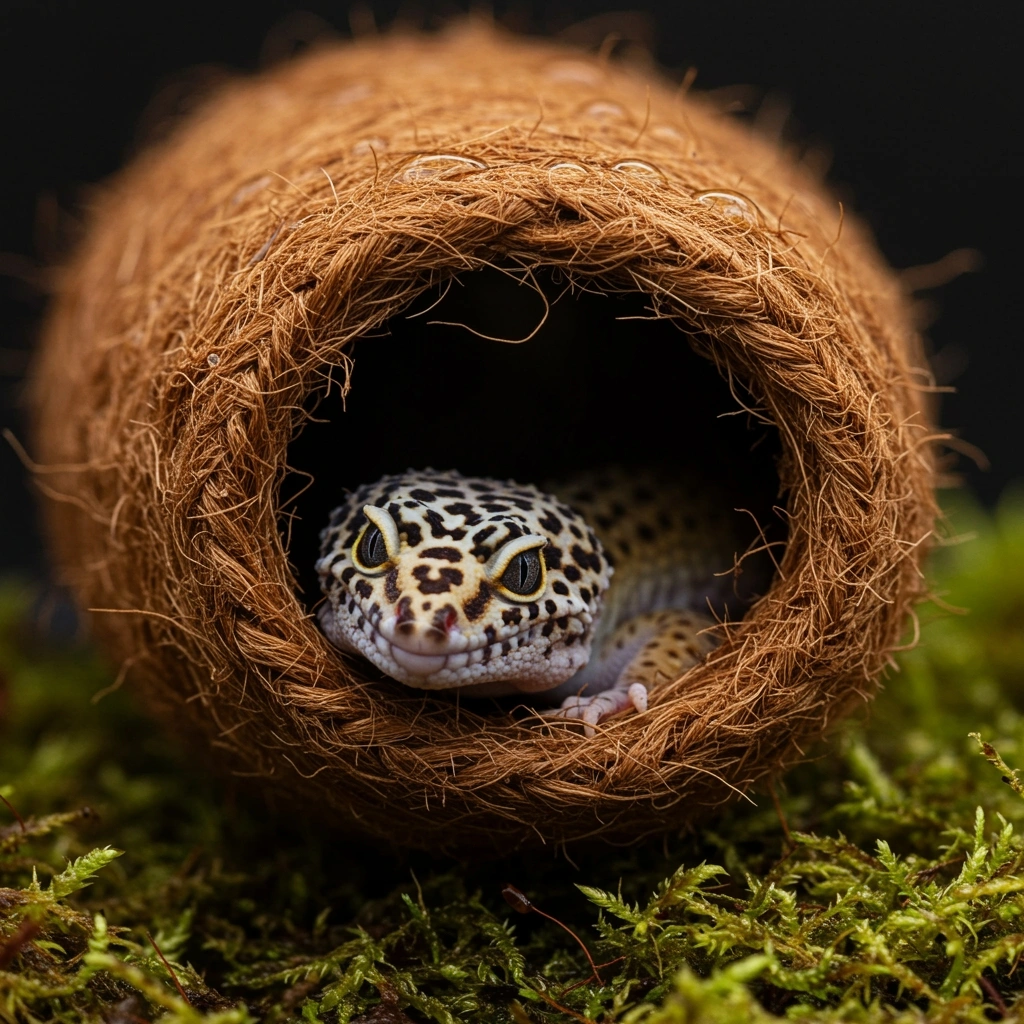
Ideal Humidity Levels for Leopard Geckos
Leopard geckos thrive in relatively dry environments, but they still require controlled humidity for proper shedding and hydration. The ideal humidity range is 30% to 40% for the main enclosure, with a moist hide that reaches 70%–80% humidity during shedding periods.
Humidity Management Tips:
- Use a hygrometer to monitor levels daily.
- Mist only the moist hide, not the entire enclosure.
- Keep the moist hide lined with damp sphagnum moss or paper towels.
Proper humidity prevents stuck shed, especially around toes and tail tips, which can cause serious health issues if left untreated.
How to Tell If Your Leopard Gecko is Thirsty
Leopard geckos get most of their moisture from food, but they still need access to fresh water at all times. Signs your gecko may need more hydration include:
- Sunken eyes
- Wrinkled skin
- Lethargy or reduced activity
- Increased visits to the water bowl
If you notice these symptoms, refresh the water dish immediately and consider offering water-rich feeder insects like hornworms or silkworms.
Water Dish Tips:
- Use a shallow, sturdy bowl.
- Place it in the cool side of the tank to reduce evaporation.
- Change water daily to keep it clean.
Essential Enclosure Furnishings
Hides, Climbing Spots, and Enrichment
Leopard geckos need a variety of hides and enrichment items to feel secure and express natural behaviors. At a minimum, provide three hides:
- Warm Hide: Placed on the warm side for digestion and rest.
- Cool Hide: On the cool side for temperature regulation.
- Moist Hide: With high humidity for shedding and hydration.
You can also add climbing branches, rock ledges, and artificial plants to encourage exploration. While leopard geckos are not arboreal, they enjoy low climbing structures that mimic their rocky desert habitats.
Make sure all décor is stable and cannot shift or fall, as heavy items can injure your gecko.
Water Dish and Food Dish Placement
Proper dish placement helps maintain hygiene and encourages feeding:
- Food Dish: Place on the warm side if offering mealworms or dubia roaches in a dish, as warmth stimulates feeding.
- Water Dish: Place on the cool side to reduce evaporation and keep water fresher longer.
Avoid placing dishes directly under heat lamps or in high-traffic areas where your gecko might accidentally tip them over. For live prey like crickets, a feeding enclosure or supervised feeding session prevents insects from hiding in the tank.
Cleaning & Maintenance Schedule
Daily, Weekly, and Monthly Cleaning Tasks
A clean enclosure is critical for your leopard gecko’s health, preventing the buildup of harmful bacteria and maintaining good air quality.
Daily Tasks:
- Remove uneaten food and waste.
- Refill the water dish with fresh water.
- Spot-clean visible debris from substrate or décor.
Weekly Tasks:
- Wash food and water dishes with reptile-safe disinfectant.
- Lightly wipe down enclosure surfaces.
- Check for signs of mold in the moist hide and replace damp substrate as needed.
Monthly Tasks:
- Deep-clean the enclosure by removing all substrate, décor, and hides.
- Sanitize the tank with reptile-safe cleaning products.
- Rinse thoroughly and allow everything to dry completely before reassembling.
Maintaining proper hygiene also supports a healthy appetite, especially when paired with a balanced feeding routine as detailed in the leopard gecko feeding guide.
Safe Disinfectants for Leopard Gecko Tanks
When cleaning, always use non-toxic, reptile-safe products. Good options include:
- Diluted chlorhexidine solution
- F10 veterinary disinfectant
- Diluted white vinegar (rinsed thoroughly afterward)
Avoid strong chemical cleaners like bleach unless necessary for biohazard cleanup, and if used, rinse the enclosure multiple times to ensure no residue remains.
Seasonal Adjustments to Habitat
Temperature and Lighting Changes Through the Year
Leopard geckos originate from regions where temperatures vary by season, but in captivity, drastic changes can stress them. That said, slight seasonal adjustments can help mimic natural cycles.
Spring & Summer:
- Maintain warm side at 88–92°F and cool side at 75–80°F.
- Provide a 12–14 hour light cycle to encourage activity.
Fall & Winter:
- Reduce light cycle to 10–12 hours.
- Slightly lower nighttime temps to 68–72°F, but keep the warm side stable for digestion.
Preparing for Breeding Season or Brumation
Breeding season typically begins in late winter or early spring. If you intend to breed your geckos, ensure they are healthy, at a proper weight, and have access to calcium-rich supplements. Females will need additional nutrition and hydration during this time.
Some leopard geckos may naturally slow their activity during cooler months, a process similar to brumation. If this occurs, reduce feeding frequency but maintain access to fresh water. Gradually restore normal conditions when activity increases.
For geckos that remain active year-round, keep heating, lighting, and feeding schedules consistent to avoid confusion or stress.
Seasonal Adjustments to Habitat
Temperature and Lighting Changes Through the Year
Leopard geckos originate from regions where temperatures vary by season, but in captivity, drastic changes can stress them. That said, slight seasonal adjustments can help mimic natural cycles.
Spring & Summer:
- Maintain warm side at 88–92°F and cool side at 75–80°F.
- Provide a 12–14 hour light cycle to encourage activity.
Fall & Winter:
- Reduce light cycle to 10–12 hours.
- Slightly lower nighttime temps to 68–72°F, but keep the warm side stable for digestion.
Preparing for Breeding Season or Brumation
Breeding season usually starts in late winter or early spring. If you plan to breed your geckos, make sure they are healthy, at an ideal weight, and have access to calcium-rich supplements. During this period, females require extra nutrition and hydration.
Some leopard geckos may naturally slow their activity during cooler months, a process similar to brumation. If this occurs, reduce feeding frequency but maintain access to fresh water. Gradually restore normal conditions when activity increases.
For geckos that remain active year-round, keep heating, lighting, and feeding schedules consistent to avoid confusion or stress.
🦎 “Discover everything you need to know about leopard geckos – visit Reptizen today!”
FAQ Section – Expert Answers
What is the ideal habitat for a leopard gecko?
An ideal habitat includes a secure 20–40 gallon enclosure, a warm and cool side, three hides (warm, cool, and moist), safe substrate like reptile carpet or slate tile, and stable humidity levels between 30%–40%.
What is the best tank setup for a leopard gecko?
A 20-gallon long glass or PVC enclosure with under-tank heating on one side, a temperature gradient, three hides, climbing décor, and a shallow water dish is considered the best setup for most leopard geckos.
What do leopard geckos like in their enclosure?
They enjoy secure hides, textured climbing areas, and a moist hide for shedding. Stable temperatures, low humidity, and safe surfaces are key to comfort.
What should be at the bottom of a leopard gecko tank?
Use safe substrates like reptile carpet, slate tiles, paper towels, or non-adhesive shelf liner. These prevent ingestion risks and are easy to clean.
What type of bedding is best for leopard geckos?
Reptile carpet, slate tile, and paper towels are the safest bedding choices. Loose sand and walnut shells should be avoided due to the risk of impaction.
How to tell if a leopard gecko is thirsty?
Signs include sunken eyes, wrinkled skin, lethargy, or increased visits to the water bowl. Ensure fresh water is always available and supplement hydration with moisture-rich feeder insects when needed.
Author

