

Leopard geckos are among the most popular reptiles in the world of exotic pets, and for good reason. Known for their calm temperament, manageable size, and striking spotted patterns, these fascinating lizards are the perfect introduction to reptile keeping. Whether you’re a beginner considering your first pet gecko or an experienced hobbyist looking to refine your care routine, having a reliable leopard gecko care guide is essential.
Unlike other reptiles, leopard geckos are hardy and adaptable, but they still require the right environment, diet, and care to thrive. Without proper knowledge, new owners often fall into common mistakes such as using unsafe substrates, providing incorrect temperatures, or misunderstanding feeding schedules. This guide is designed to eliminate the guesswork and give you the confidence to raise a healthy, happy gecko.
In the following sections, we’ll cover everything you need to know—from housing basics (tank size, heating, substrates) to feeding routines, hydration needs, handling tips, and health concerns. You’ll also learn how to spot signs of stress or illness early, and how to avoid the most common pitfalls new owners face.
At Reptizen.com, our goal is simple: to make leopard gecko care accessible, trustworthy, and beginner-friendly. By the end of this guide, you’ll have a clear step-by-step understanding of how to create the best possible life for your gecko.
Understanding Leopard Geckos
Natural Habitat & Origins
Leopard geckos (Eublepharis macularius) are native to the rocky deserts and dry grasslands of Afghanistan, Pakistan, India, and parts of Iran. Unlike many other geckos, they live in arid environments rather than tropical rainforests. Instead of climbing trees, they spend most of their time on the ground, hiding in burrows and rocky crevices to escape the heat of the day.
Understanding their natural habitat is key to replicating the right conditions in captivity. Leopard geckos thrive in warm, dry climates with access to humid micro-environments, such as moist burrows, which help them stay hydrated and shed properly. This is why providing both a warm basking area and a humid hide in captivity is essential.
Why They Make Great Pets
Leopard geckos are considered one of the best reptiles for beginners. Their calm and docile nature makes them easy to handle compared to many other lizards. They rarely bite, tolerate gentle handling, and are generally stress-resistant when kept in proper conditions.
Other reasons they make fantastic pets:
- Low Maintenance Needs – They don’t require complex lighting systems like many reptiles.
- Longevity – With proper care, they can live 15–20 years in captivity, becoming long-term companions.
- Unique Personalities – Each gecko has quirks: some are curious explorers, while others prefer quiet hiding.
- Variety of Morphs – Selective breeding has produced dozens of beautiful color and pattern variations.
For families, beginners, or experienced reptile keepers, leopard geckos strike the perfect balance between exotic appeal and manageable care.
Housing Basics for Leopard Geckos
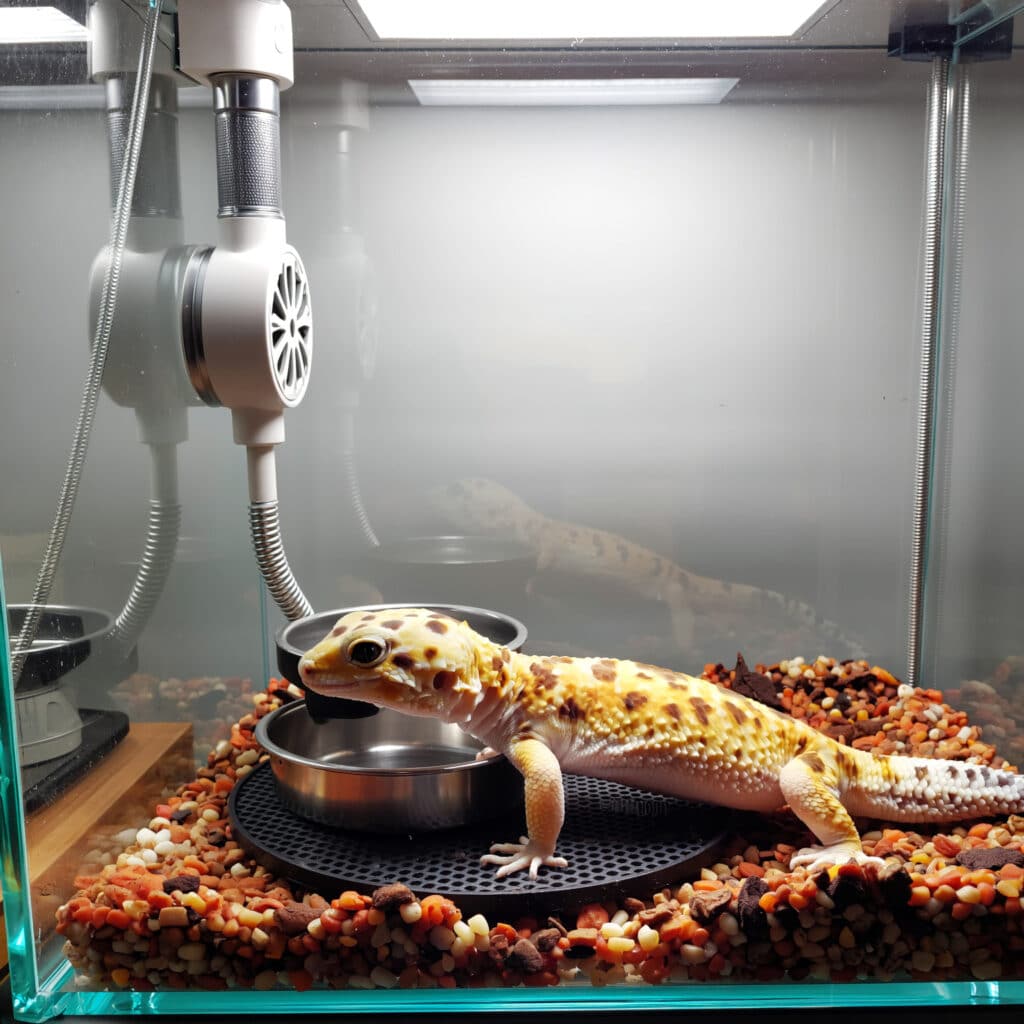
Creating the right enclosure is the foundation of leopard gecko care. A well-designed tank keeps your gecko healthy, reduces stress, and allows you to observe its natural behaviors. While these reptiles are hardy, improper housing is one of the most common causes of health issues in captivity.
Ideal Tank Size (by Age)
Leopard geckos don’t require massive enclosures, but they do need enough space to move, hunt, and thermoregulate.
- Hatchlings (0–3 months): 10–15 gallon tank is sufficient.
- Juveniles (3–10 months): Upgrade to at least 20 gallons.
- Adults (10+ months): 20–40 gallon enclosure recommended for comfort.
➡️ For a complete breakdown of dimensions, upgrades, and materials, see the [Leopard Gecko Tank Setup Guide].
Substrate Do’s & Don’ts
Choosing the right substrate (floor covering) is critical. Many beginner owners mistakenly use sand, believing it mimics the desert. In reality, wild leopard geckos live on rocky terrain, not loose sand.
- ✅ Safe substrates: reptile carpet, slate tile, paper towels (great for beginners).
- ❌ Risky substrates: loose sand, walnut shells, wood shavings (risk of impaction).
➡️ To explore pros and cons of each option, check our [Best Substrates for Leopard Geckos] guide.
Heating & Lighting Essentials
Leopard geckos are ectothermic, meaning they rely on external heat sources to regulate body temperature. Your enclosure must provide both a warm zone and a cool zone.
- Warm side: 90–95°F (using an under-tank heat mat or heat tape with thermostat).
- Cool side: 75–80°F.
- Nighttime temps: can drop safely to 70°F.
Lighting is not as complex as with other reptiles, but a natural day/night cycle is important. Some keepers add UVB lighting, which may help with calcium metabolism and overall health.
➡️ Learn more in our full [Heating & Lighting for Leopard Geckos] article.
Feeding Your Leopard Gecko
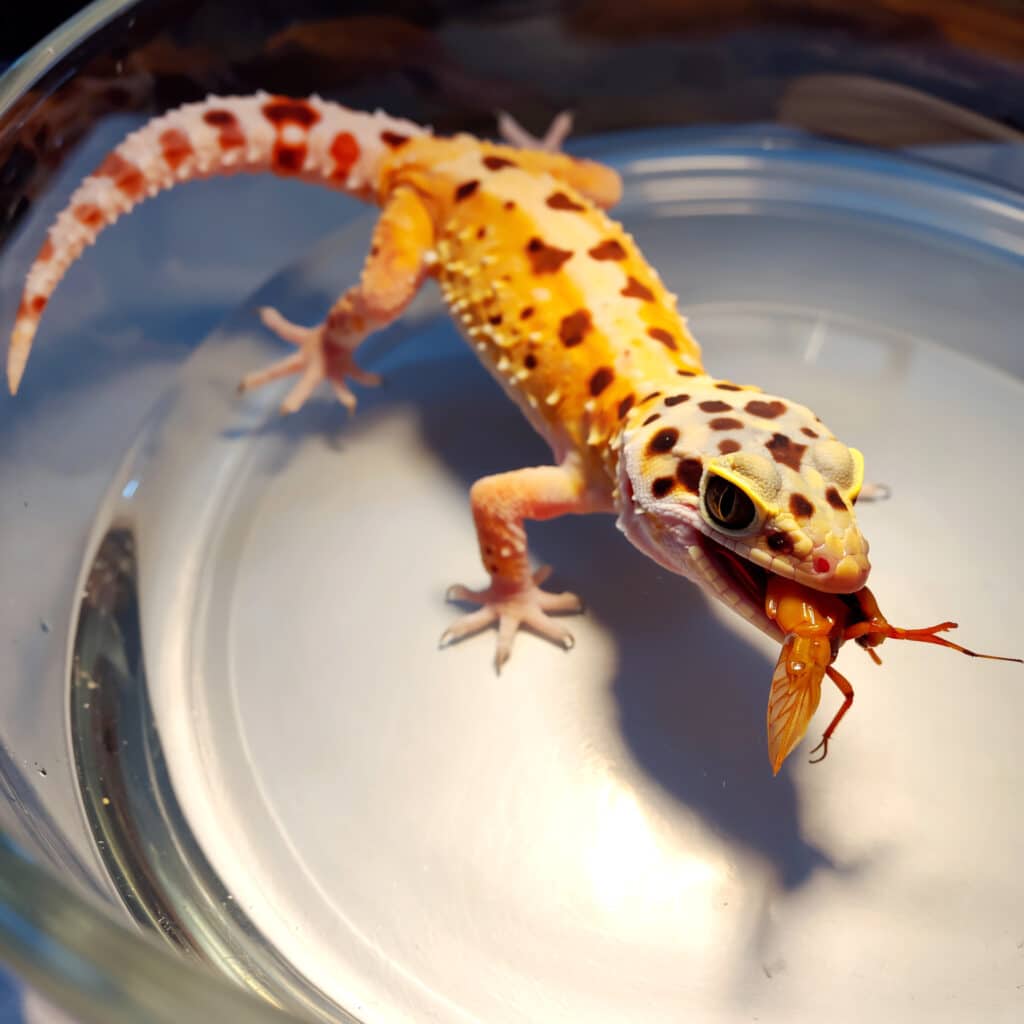
Proper nutrition is at the heart of leopard gecko care. These lizards are insectivores, meaning their diet should consist mainly of live insects. A poor feeding routine is one of the leading causes of obesity, malnutrition, and metabolic bone disease in captivity.
Safe Food Options
Leopard geckos thrive on a variety of feeder insects. Offering diversity helps ensure balanced nutrition and prevents picky eating.
- Staple feeders: crickets, dubia roaches, mealworms.
- Occasional treats: superworms, waxworms, hornworms (high fat, use sparingly).
- Supplements: dust feeders with calcium + vitamin D3 2–3 times a week.
➡️ For a detailed breakdown, visit our full guide on [Best Insects to Feed Leopard Geckos].
Feeding Schedule by Age
Age determines how often and how much your gecko should eat.
- Hatchlings (0–3 months): Feed daily, 5–7 small crickets or worms.
- Juveniles (3–10 months): Feed every other day, 6–8 medium insects.
- Adults (10+ months): Feed 3 times per week, 6–8 large insects.
Always monitor your gecko’s weight to avoid overfeeding.
➡️ See our cluster article [Leopard Gecko Feeding Schedule by Age] for a complete table.
Avoiding Obesity & Picky Eaters
Leopard geckos store fat in their tails as an energy reserve. A thick, plump tail is healthy, but a swollen or bloated body can signal obesity.
Tips to prevent feeding problems:
- Rotate feeders weekly to add variety.
- Gut-load insects (feed them nutritious food before offering to your gecko).
- Never leave uneaten live insects in the enclosure—they may bite your gecko.
➡️ For supplement advice and gut-loading techniques, check the [Leopard Gecko Feeding & Nutrition] hub.
Hydration & Humidity
Although leopard geckos come from arid regions, they still need access to fresh water and controlled humidity to stay healthy. Many beginner keepers assume they don’t drink often, but dehydration is a common issue in captivity.
Water Bowl Setup
Always provide a shallow water dish inside the enclosure. It should be:
- Shallow enough to prevent accidents.
- Sturdy so it doesn’t tip over.
- Cleaned daily to avoid bacteria buildup.
Even if you don’t often see your gecko drink, it will use the water bowl when needed, especially at night.
➡️ For more detailed care tips, see our guide on [Hydration & Water Needs in Leopard Geckos].
Humid Hide Importance
A humid hide is essential for healthy shedding and hydration. In the wild, leopard geckos retreat into moist burrows—your enclosure should replicate this.
- DIY option: plastic container with a hole cut in the lid, filled with moist sphagnum moss, paper towels, or vermiculite.
- Placement: always on the warm side of the tank to prevent mold.
- Function: helps during shedding, reduces risk of retained shed around toes and eyes.
➡️ Step-by-step instructions are available in our cluster article [DIY Humid Hides for Leopard Geckos].
Risks of Improper Humidity
- Too dry: stuck shed, dehydration, sunken eyes.
- Too humid: mold growth, respiratory infections.
Ideal humidity range in the enclosure: 30–40% overall, with 70–80% inside the humid hide.
Handling & Bonding with Your Gecko

Leopard geckos are known for their calm and docile temperament, making them one of the easiest reptiles to handle. However, safe handling and gradual bonding are essential to build trust and prevent stress.
First Handling Sessions
When you first bring your gecko home, give it at least a week to settle into its new enclosure before handling. Start slowly:
- Let it crawl onto your hand rather than grabbing it.
- Keep sessions short (5–10 minutes).
- Handle in a quiet, safe space to avoid stress.
➡️ See our full guide on [Handling Tips for Beginner Leopard Gecko Owners] for a step-by-step approach.
Signs of Stress During Handling
Not all geckos enjoy frequent handling, and some need more time to adapt. Watch for signs of stress such as:
- Tail twitching or waving.
- Attempting to flee or vocalizing.
- Dropping their tail (a defense mechanism).
If these signs appear, gently return your gecko to its enclosure and try again another day.
➡️ For more behavior signals, check our [Leopard Gecko Behavior Explained] guide.
Safe Handling for Children
Leopard geckos can be handled by children under supervision, but clear rules are important:
- Always sit down while holding the gecko to prevent falls.
- Teach gentle movements and no sudden grabs.
- Limit sessions to just a few minutes.
➡️ Parents can find detailed safety tips in our cluster article [Safe Handling for Kids].
Shedding & Skin Care
Like all reptiles, leopard geckos shed their skin as they grow. While shedding is a natural and healthy process, problems can arise if the environment isn’t properly maintained.
Normal Shedding Process
- Frequency: Young geckos shed weekly, while adults shed every 4–6 weeks.
- Behavior: Before shedding, your gecko may turn dull or pale in color and hide more often.
- Self-care: Geckos usually eat their shed skin for extra nutrients and to avoid leaving a scent trail for predators in the wild.
Common Shedding Problems
Sometimes, geckos fail to shed completely. This condition, called retained shed, can lead to health issues if not addressed.
- Most affected areas: toes, tail tip, and around the eyes.
- Consequences: circulation problems, stuck shed on toes may even cause digit loss.
➡️ For a complete guide, see our cluster article [Common Shedding Problems in Leopard Geckos].
Shed Stuck on Toes & Eyes
- Toes: Stuck shed can cut off circulation. Use a humid hide or a gentle warm soak to soften it.
- Eyes: Retained shed around the eyes can cause irritation or infection. Avoid pulling it off—consult a reptile vet if it persists.
➡️ Detailed tips are available in our clusters [Shedding Stuck on Toes] and [Eye Shedding Issues in Leopard Geckos].
Preventing Shedding Issues
- Provide a humid hide at all times.
- Maintain proper hydration and diet (vitamin A supports skin health).
- Avoid handling during active shedding—let your gecko complete the process naturally.
➡️ See the dedicated hub [Shedding & Skin Care in Leopard Geckos] for in-depth care.
Common Health Problems in Leopard Geckos
Even with the best care, leopard geckos can develop health issues. Knowing the early warning signs helps you act quickly and prevent complications.
Metabolic Bone Disease (MBD)
One of the most common illnesses in captive reptiles, caused by calcium deficiency and lack of UVB exposure.
- Symptoms: weak or trembling legs, curved spine, difficulty walking.
- Prevention: supplement insects with calcium + vitamin D3 and provide optional UVB lighting.
➡️ Learn more in our cluster [Metabolic Bone Disease in Leopard Geckos].
Parasites & Infections
Internal and external parasites can affect geckos, often introduced through feeder insects or unclean enclosures.
- Symptoms: weight loss, lethargy, diarrhea, irregular shedding.
- Prevention: keep enclosures clean, quarantine new geckos, and schedule fecal exams.
➡️ See our detailed article [Parasites in Leopard Geckos: Causes & Treatment].
Respiratory Infections
Caused by poor humidity or incorrect temperatures.
- Symptoms: wheezing, mucus around nostrils, lethargy.
- Treatment: requires vet care, proper heating, and correcting enclosure setup.
➡️ More details in our guide [Respiratory Infections in Leopard Geckos].
Tail Loss (Autotomy)
Leopard geckos can voluntarily drop their tails as a defense mechanism.
- Causes: handling stress, predator threats, fights with other geckos.
- Aftercare: the tail regrows but is shorter and less fat-storing. Provide extra food and calcium during regrowth.
➡️ See our cluster [Leopard Gecko Tail Loss: Causes & Recovery] for a full care guide.
When to See a Vet
If your gecko shows persistent weight loss, refusal to eat, or abnormal behavior, consult a reptile vet immediately.
➡️ For more advice, check the [Leopard Gecko Health Issues & Diseases Hub].
Growth & Lifespan of Leopard Geckos
Leopard geckos are relatively slow growers compared to other reptiles, but with the right care, they can live well over a decade. Understanding their growth stages and lifespan helps owners plan long-term.
Growth Stages
Leopard geckos develop in three main phases:
- Hatchlings (0–3 months): about 3–4 inches long, rapid growth, frequent shedding.
- Juveniles (3–10 months): steady weight gain, eating daily or every other day.
- Adults (10+ months): reach 7–10 inches, stable weight, feeding slows.
➡️ For a detailed progression chart, see our cluster [Leopard Gecko Growth Chart by Age].
Lifespan in Captivity vs. Wild
- Captivity: 15–20 years with proper care. Some individuals even reach 25 years.
- Wild: usually 6–10 years due to predators and harsher conditions.
➡️ More details available in our article [Lifespan of Leopard Geckos in Captivity vs Wild].
Senior Gecko Care
As leopard geckos age, they may experience slower shedding, decreased appetite, or reduced mobility. Owners should adjust their care routine:
- Provide softer substrates to protect joints.
- Monitor weight more closely.
- Offer easily digestible insects.
➡️ Practical tips are included in the cluster [Senior Leopard Gecko Care].
Factors Affecting Growth & Longevity
- Genetics (some morphs grow larger than others).
- Diet (calcium supplementation prevents bone deformities).
- Habitat (temperature, hygiene, and stress management).
➡️ See the [Growth & Lifespan Hub] for a complete overview.
Safety & Environment for Leopard Geckos
Leopard geckos are hardy reptiles, but they remain vulnerable to environmental hazards. Creating a safe home—both inside and outside the enclosure—is essential for long-term wellbeing.
Toxic Plants & Substances
Some plants and household items can be harmful if ingested or if your gecko is exposed for too long.
- Toxic plants: lilies, philodendrons, oleander.
- Unsafe chemicals: scented candles, air fresheners, cleaning sprays.
- Rule of thumb: If it’s unsafe for a cat or dog, it’s likely unsafe for a gecko.
➡️ See our cluster guide [Toxic Plants Dangerous to Leopard Geckos] for a detailed list.
Dangerous Insects
Not all feeder insects are safe, and wild-caught bugs can carry parasites or pesticides.
- Unsafe options: fireflies (toxic), beetles with hard shells, insects from outdoors.
- Safe options: captive-bred crickets, dubia roaches, mealworms.
➡️ Learn more in our article [Dangerous Insects for Leopard Geckos].
Household Dangers
Leopard geckos should not roam freely around the house. Risks include:
- Getting stuck under furniture.
- Exposure to other pets.
- Falling from heights.
Always supervise outside-the-tank exploration and keep sessions short.
Travel & Transport Safety
If you need to move your gecko—for a vet visit or relocation—secure transport is essential.
- Use a small ventilated container with paper towels.
- Maintain a warm, stable temperature.
- Avoid car rides longer than necessary.
➡️ Step-by-step instructions are available in our cluster [Leopard Gecko Travel & Transport Safety].
Leopard Gecko Care Myths Debunked
Misinformation spreads quickly in reptile care communities. Let’s clear up some of the most common myths:
- ❌ “Leopard geckos can live on sand.”
Sand is not natural for them and can cause deadly impaction. Safer substrates like slate tile or reptile carpet should always be used.
➡️ See the full guide on [Best Substrates for Leopard Geckos] for alternatives. - ❌ “They don’t need water.”
Leopard geckos require a constant source of fresh water. Even in the wild, they hydrate from dew and moist burrows.
➡️ Learn more in our hub [Hydration & Water Needs]. - ❌ “All geckos like being handled.”
While they tolerate handling, some geckos prefer minimal interaction. Respect their limits and look for stress signals.
➡️ Detailed signals are covered in [Leopard Gecko Behavior Explained].
Conclusion
Leopard geckos are among the most beginner-friendly reptiles, but their care still requires attention to detail. From setting up the right enclosure to establishing a proper feeding schedule, hydration, and safe handling practices, every element contributes to their health and longevity.
This Complete Leopard Gecko Care Guide is your foundation, but remember: care doesn’t stop here. Explore deeper topics like:
- Habitat setups → see our [Leopard Gecko Tank Setup Guide].
- Nutrition tips → visit the [Feeding & Nutrition Hub].
- Behavior & bonding → check [Leopard Gecko Behavior Explained] for stress and communication cues.
🦎 “Discover everything you need to know about leopard geckos – visit Reptizen today!”
FAQs
How do you take care of a leopard gecko for beginners?
Provide a secure enclosure with a warm side (88–92°F) and a cool side (75–80°F), safe substrate, three hides (including a moist hide), fresh water, and a diet of live insects dusted with calcium and vitamins.
Do I leave my heat lamp on all night for my leopard gecko?
No. Leopard geckos need a natural day-night cycle. Keep heat mats or ceramic heaters on at night for warmth, but avoid bright lights that disturb their nocturnal rhythm.
What not to do to a leopard gecko?
Never house them on sand or loose substrates, avoid over-handling, don’t grab them by the tail, and never feed them wild-caught insects.
What should I do when I first get my leopard gecko?
Place it directly into its prepared enclosure and give it at least a week to adjust. Avoid handling during this time and focus on maintaining proper heating, humidity, and feeding.
How long should I leave my new leopard gecko alone?
Wait at least 7 days before handling, so your gecko can acclimate to its new environment without added stress.
Do leopard gecko bites hurt?
Bites are rare and usually harmless. At most, they feel like a pinch. Leopard geckos are docile and unlikely to bite unless frightened or mishandled.
Do leopard geckos stink?
Leopard geckos themselves don’t smell. Any odor usually comes from a dirty tank. Regular cleaning prevents bad smells.
Do leopard geckos need a heat lamp?
Not always. Most keepers use under-tank heat mats to provide belly heat. However, a low-wattage heat lamp or ceramic heater can help maintain proper temperature gradients.
Do leopard geckos recognize their owners?
Yes, over time leopard geckos can recognize their keepers by scent, voice, and routine. While they may not bond like mammals, they can become comfortable with regular handling.
Author

