
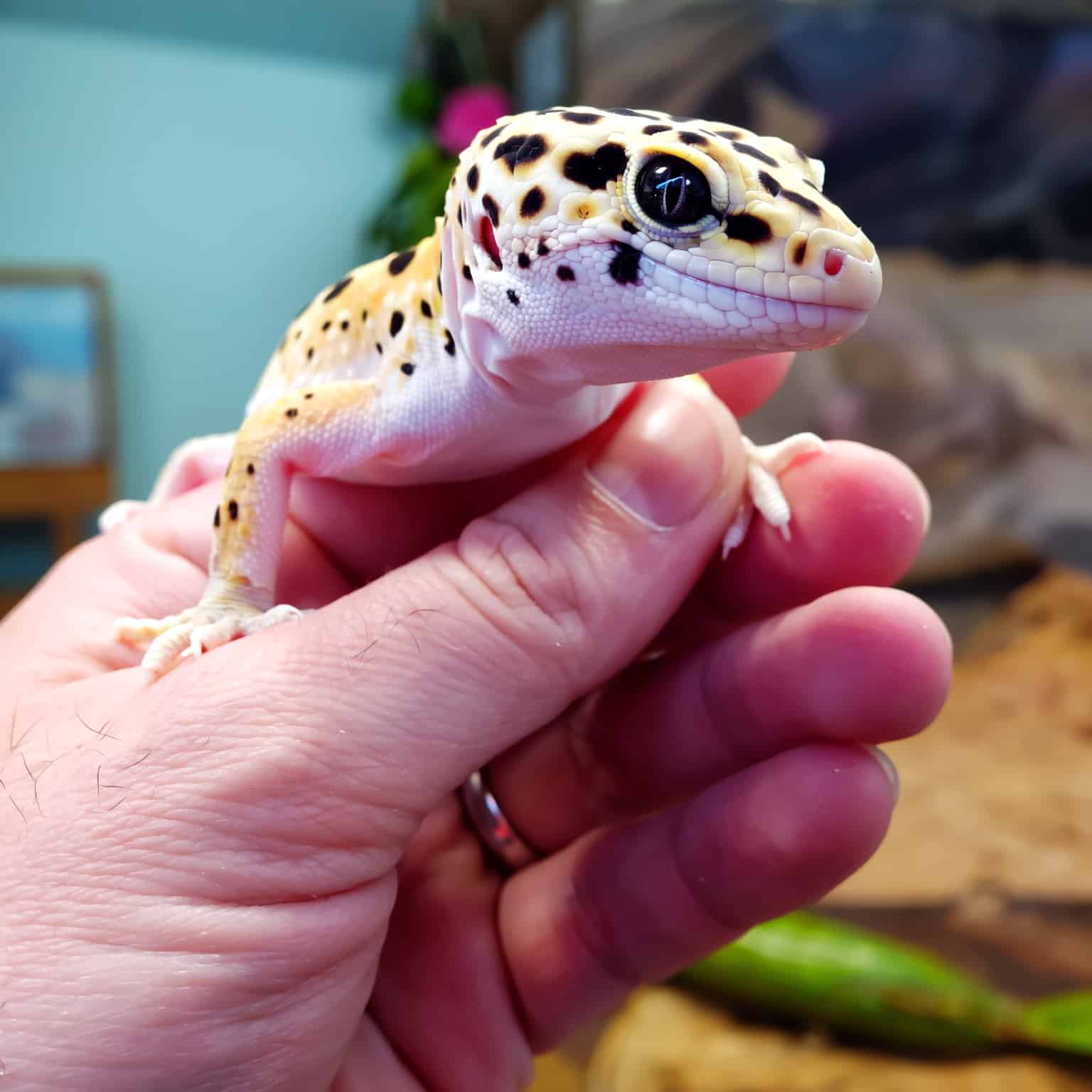
Leopard geckos are among the most popular reptiles for beginners, thanks to their manageable size, calm personalities, and straightforward care requirements. But before you bring one home, it’s important to understand what to look for when buying a leopard gecko and how to ensure you’re selecting a healthy pet from a breeder, store, or expo.
A poor purchase decision can lead to long-term health issues, expensive vet bills, or even heartbreak. Knowing the difference between a thriving gecko and one with underlying problems is essential. Preparing an enclosure in advance is just as critical — everything from the ideal habitat setup to temperature and humidity conditions will affect your new pet’s adjustment.
Why Leopard Geckos Make Great Beginner Reptiles
Temperament and Ease of Care
Leopard geckos are docile, hardy reptiles that tolerate gentle handling and rarely bite. Their care requirements are straightforward compared to many reptiles, making them excellent first pets for those new to herpetology. They thrive in relatively simple enclosures, provided that heating, humidity, and diet are well maintained.
These qualities, along with their small size and quiet nature, make leopard geckos a popular choice for families, students, and apartment dwellers.
Lifespan and Long-Term Commitment
While leopard geckos are beginner-friendly, they are still a long-term commitment. With proper care, they can live 15–20 years in captivity, sometimes longer. This means potential owners should plan ahead and ensure they’re ready for a decades-long responsibility.
A healthy gecko requires consistent care: regular feeding, proper heating, and a structured cleaning schedule. Without these, issues like common health problems can develop quickly. Choosing a gecko is not just a purchase—it’s the start of a long partnership.
Where to Buy a Leopard Gecko
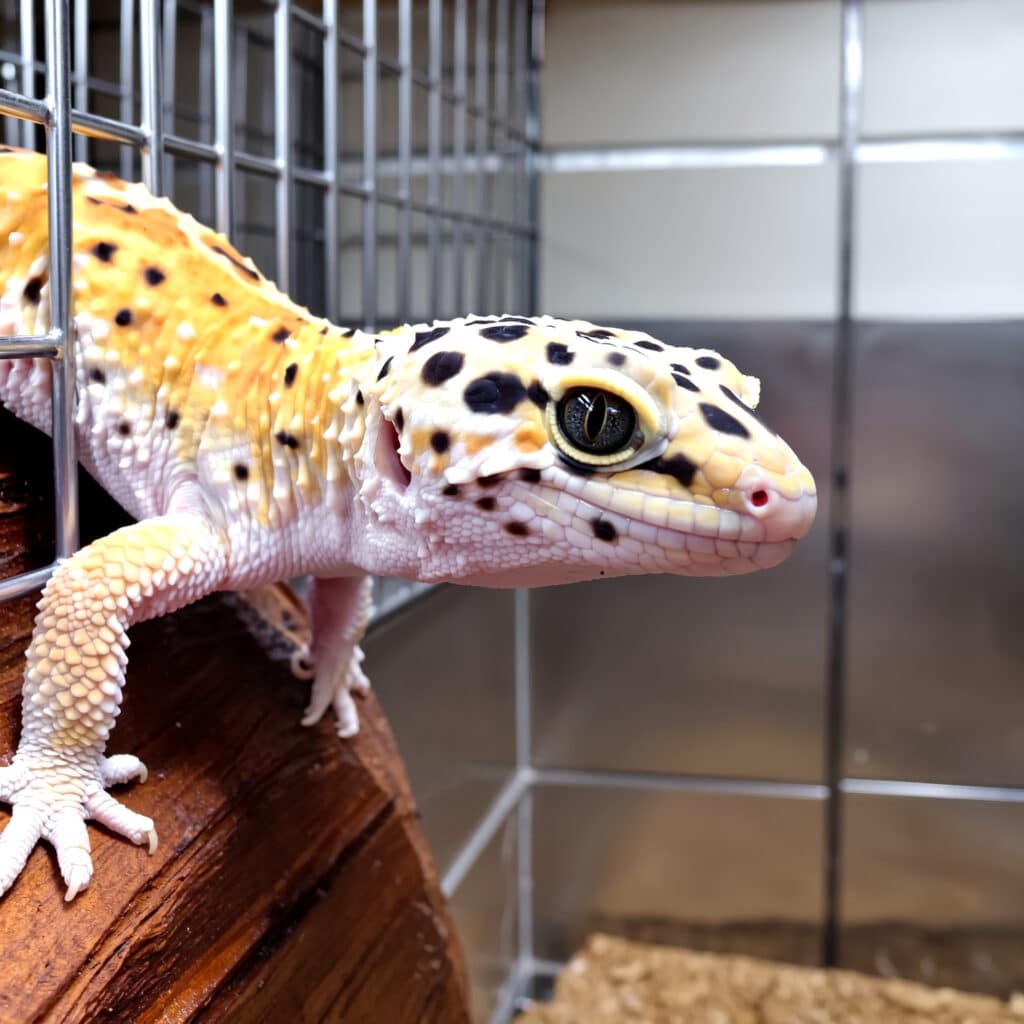
Reputable Breeders vs. Pet Stores
One of the first decisions when buying a leopard gecko is choosing where to purchase. Reputable breeders are often the best option because they prioritize animal health, genetics, and proper husbandry. Breeders can provide detailed records about lineage, feeding history, and temperament, giving buyers peace of mind.
Pet stores, on the other hand, vary greatly in quality. Some chain stores may house geckos in inadequate conditions, increasing the risk of stress, parasites, or illness. While not all pet stores are bad, buyers must carefully inspect the gecko’s environment and overall health before committing.
Expos, Rescues, and Online Options
- Expos and reptile shows: Great opportunities to meet breeders face-to-face, compare morphs, and ask questions about care. Prices may also be more competitive.
- Rescues: Adopting from reptile rescues is another ethical way to bring home a leopard gecko. Many rescues rehabilitate animals from poor conditions and ensure they’re healthy before adoption.
- Online sellers: Buying leopard geckos online has become more common. Shipping reptiles is safe when done correctly by experienced sellers, but always research reviews, customer feedback, and shipping guarantees before ordering.
Whichever route you choose, the seller should provide proof of consistent feeding, clean housing, and a clear history of the gecko’s age and morph.
Signs of a Healthy Leopard Gecko
Physical Appearance Checklist
When looking at leopard geckos for sale, the first step is evaluating their physical condition. A healthy gecko should have:
- Clear, bright eyes free from discharge or swelling
- Full, plump tail (indicating good fat storage and overall health)
- Smooth, intact skin with no open wounds or visible mites
- Steady weight without protruding bones or extreme thinness
- Straight limbs and toes with no signs of stuck shed or swelling
The gecko’s body should look well-proportioned, with no visible deformities. Avoid geckos with sagging skin, dull coloration outside of a shed cycle, or tails that look thin or wrinkled.
Behavior and Activity Levels
Physical health is only half the picture—behavior matters too. A healthy gecko will:
- Be alert and responsive when handled
- Walk steadily without dragging limbs
- Show interest in food (ask the seller when it last ate)
- Explore its environment rather than sitting motionless all the time
Lethargy, constant hiding, or an inability to grip surfaces are all warning signs that the gecko may be unwell. Since common leopard gecko diseases can be hard to spot at first, paying attention to behavior is just as important as checking physical features.
Red Flags When Buying a Gecko
Health Warning Signs
Not every gecko offered for sale is in good condition. Some indicators of poor health include:
- Sunken eyes suggesting dehydration or illness
- Runny or abnormal droppings that may point to parasites
- Thin, weak tails (a major sign of poor nutrition or long-term stress)
- Labored breathing or wheezing indicating respiratory infection
- Stuck shed on toes, eyes, or tail tips, which may lead to complications if untreated
Even if the seller assures you that these issues are minor, they can signal deeper problems. It’s better to wait for a healthy gecko than risk bringing home an unhealthy one.
Seller Practices to Avoid
The health of a leopard gecko often reflects the quality of care provided by the seller. Avoid buying if you notice:
- Geckos housed on loose sand or unsafe substrates
- Tanks overcrowded with multiple animals
- No proof of feeding history or supplementation
- Sellers unwilling to answer care questions
- “Too good to be true” pricing that undercuts reputable breeders
A trustworthy breeder or rescue will encourage questions, provide care details, and genuinely care where their geckos go. Sellers rushing the process or avoiding transparency should be treated as red flags.
Age, Morphs & Pricing Considerations
Juvenile vs. Adult Leopard Geckos
Age is an important factor when buying a leopard gecko.
- Juveniles (under 6 months): Smaller, often cheaper, and easier to tame if handled gently from a young age. However, they require more frequent feeding and are more delicate, making them less ideal for very young children.
- Adults (over 1 year): Typically hardier, with established feeding patterns and personalities. They may cost more but offer greater predictability in size and temperament.
The choice comes down to whether you want to raise a young gecko or prefer the stability of an adult.
Common Morphs and Price Ranges
Leopard geckos come in a wide range of morphs (color and pattern variations). Common morphs such as normal/wild type or high yellow are often the most affordable. More unique morphs, like albino, tangerine, or eclipse, tend to be moderately priced. Rare morphs such as black night or diablo blanco can cost significantly more due to selective breeding.
- Standard morphs: $30–$80
- Special morphs: $100–$250
- Rare morphs: $300+
When considering price, remember that a healthy, well-raised gecko is worth more than a bargain deal that leads to long-term health issues.
Preparing the Enclosure Before Bringing Your Gecko Home

Tank Setup Essentials
Before buying a leopard gecko, it’s important to prepare its enclosure so the transition is stress-free. At minimum, the tank should include:
- A secure 20-gallon long enclosure with proper ventilation
- A warm side and cool side to establish a temperature gradient
- A hide on each side, plus a moist hide to aid shedding
- A safe substrate such as reptile carpet, tile, or paper towels
- A shallow water dish and calcium dish
Heating and humidity should be stable before your gecko arrives. Temperature gradients, as outlined in the heating and humidity guide, are essential for digestion and overall health.
Quarantine and Initial Care
If this is your first gecko, a single enclosure is enough. However, if you already own reptiles, quarantining your new leopard gecko in a separate tank for at least 30–60 days is recommended. This prevents the spread of parasites or illness.
During the first week, minimize handling so the gecko can adjust. Focus on consistent feeding, maintaining the right temperatures, and observing for signs of stress. Starting with a clean, stable environment—like the one described in the enclosure cleaning guide—helps your gecko settle in quickly.
Conclusion
Choosing your first leopard gecko is an exciting step, but it requires careful consideration. From selecting a healthy gecko with clear eyes, strong body condition, and good behavior to choosing a reputable seller, each step plays a role in long-term success.
Understanding the differences between juveniles and adults, knowing how morphs affect price, and preparing the enclosure before bringing your pet home will help ensure a smooth transition. By combining smart buying decisions with proper setup and care, new owners set the foundation for a gecko that thrives for many years.
🦎 “Discover everything you need to know about leopard geckos – visit Reptizen today!”
FAQs About Buying a Leopard Gecko
How to pick a good leopard gecko?
Choose a gecko with clear eyes, a plump tail, smooth skin, and alert behavior. Avoid lethargic geckos, those with visible injuries, or signs of stuck shed.
How to make sure your leopard gecko is healthy?
A healthy leopard gecko eats regularly, moves steadily, sheds completely, and has normal droppings. Consistent activity and a strong appetite are positive indicators.
How do you know if your leopard gecko is healthy?
Look for steady weight, a rounded tail, bright eyes, and responsive behavior. Warning signs of poor health include wheezing, sunken eyes, thin tails, or constant hiding.
What should I know before buying a leopard gecko?
Be prepared for a 15–20 year commitment, understand proper diet, heating, and habitat needs, and research reputable breeders or rescues before purchasing.
How long should you wait to handle your leopard gecko after buying?
Wait at least one week before handling. This gives the gecko time to adjust to its new enclosure and reduces stress.
Do leopard geckos carry salmonella?
Like most reptiles, leopard geckos can carry salmonella. Good hygiene, such as washing hands after handling, prevents the risk of transmission.
Author

