
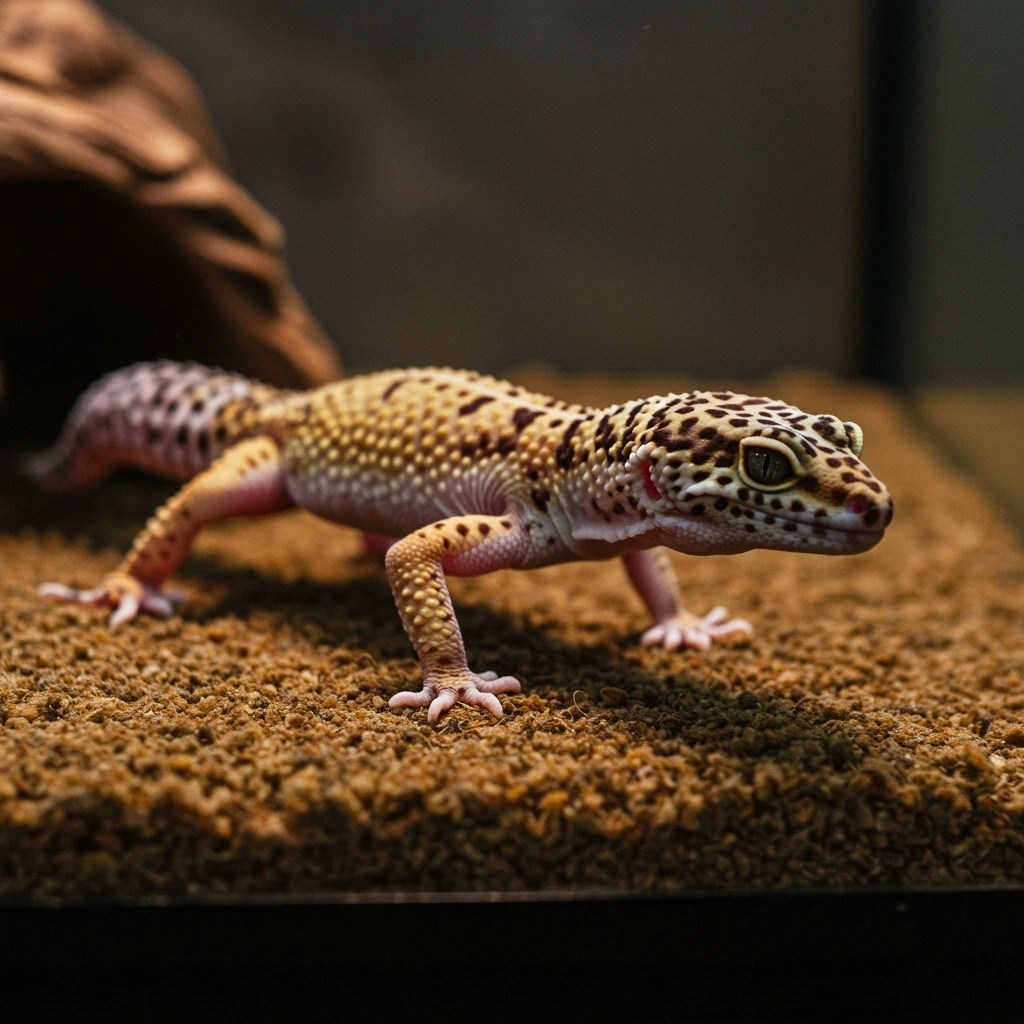
Choosing the best substrate for a leopard gecko isn’t just about aesthetics—it’s about health, safety, and hygiene. The substrate you choose can affect everything from shedding and heat retention to the risk of impaction. With so many products marketed to reptile owners, it’s crucial to identify safe options and avoid those that could harm your pet.
In this guide, we’ll compare reptile carpet for leopard geckos, tile, paper towels, and other safe materials, while also highlighting common but unsafe substrates to avoid. We’ll also explore how flooring choices tie into your gecko’s natural behaviors and habitat preferences.
Understanding the Importance of Substrate
Why Flooring Matters in a Leopard Gecko Tank
Substrate is more than just the base layer of your gecko’s enclosure—it plays a role in maintaining hygiene, regulating humidity, and supporting natural movement. The right flooring can help your gecko maintain proper grip while walking and can also make cleaning easier for you.
Poor substrate choices, on the other hand, can lead to health problems like respiratory irritation, bacterial growth, and impaction (a potentially fatal digestive blockage caused by swallowing loose particles).
How Substrate Affects Health and Behavior
- Shedding: Certain substrates, like moist hides lined with moss, help retain humidity for smoother shedding.
- Hygiene: Non-porous materials prevent bacteria buildup and are easier to sanitize.
- Comfort: Textured surfaces allow for more natural foot placement and can prevent slipping.
- Thermal Regulation: Some substrates retain heat better than others, supporting the warm side of your enclosure.
Understanding how substrate interacts with heating and humidity is key to creating a stable environment for your gecko. We’ll explore these interactions more deeply later in this article when discussing temperature management and how flooring impacts enclosure conditions.
Safe Substrate Options
Reptile Carpet for Leopard Geckos
Reptile carpet is one of the most recommended substrates for beginners. It’s made from non-abrasive, washable material that poses no risk of ingestion. It provides good traction for walking and hunting, and because it’s reusable, it can be a cost-effective option over time.
Pros:
- Safe for all ages
- Easy to clean and disinfect
- Provides traction for movement
Cons:
- Needs regular washing to prevent odor buildup
- Can fray if claws snag, so check for wear and tear
Slate Tile, Paper Towels & Non-Adhesive Liners
Slate Tile:
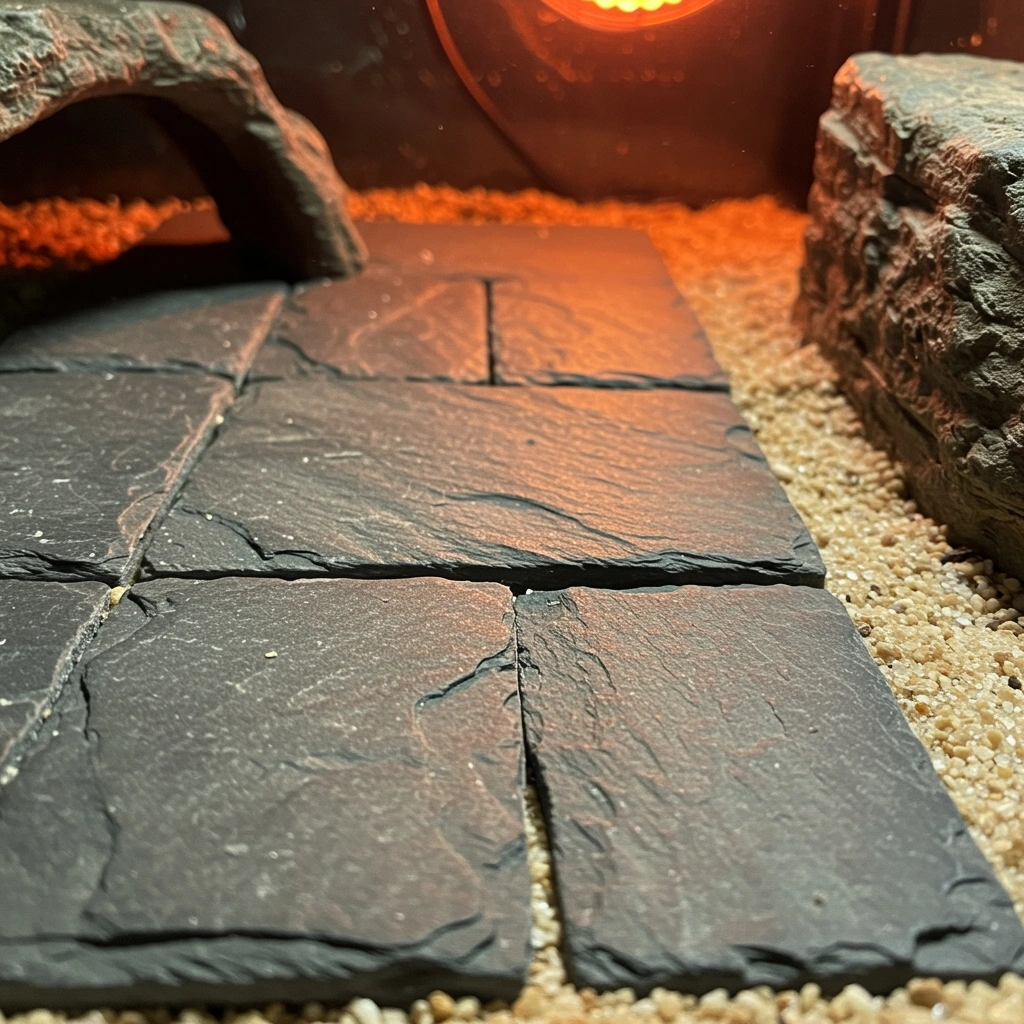
Slate tile is a favorite among experienced keepers. It retains heat well, making it ideal for the warm side of the enclosure, and its textured surface helps naturally file a gecko’s nails.
Paper Towels:
Best for hatchlings, sick geckos, or quarantine setups, paper towels are cheap, easy to replace, and highly sanitary. They’re not as visually appealing but are practical for short-term use.
Non-Adhesive Shelf Liner:
This smooth, cushioned surface is safe, easy to clean, and comes in a variety of colors and patterns, providing a balanced blend of aesthetics and safety.
These substrates also make it easier to maintain consistent tank temperatures, which is especially important for digestion and overall health. The flooring you choose should work in harmony with the heating setup and temperature gradient you maintain in the tank, as described in the leopard gecko temperature guide.
Unsafe Substrates to Avoid
Loose Sand, Wood Shavings & Crushed Walnut Shells
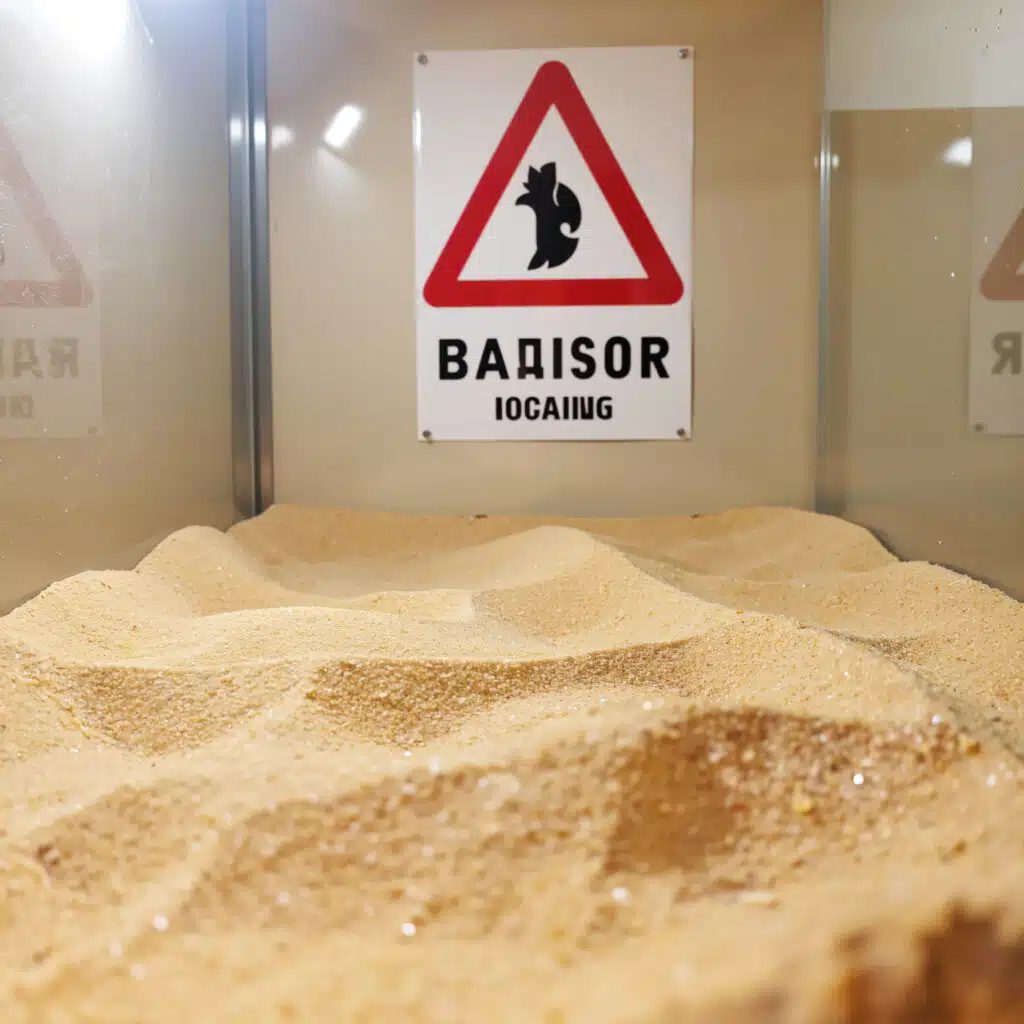
Loose substrates like play sand, calcium sand, and crushed walnut shells are commonly marketed for reptiles, but they pose serious health risks for leopard geckos. If ingested—whether accidentally during feeding or while exploring—these materials can cause impaction, a life-threatening digestive blockage.
Crushed walnut shells are especially dangerous because their sharp edges can also cause internal injuries. Wood shavings, especially those from aromatic woods like cedar and pine, can release oils and dust that irritate the respiratory system.
Why Certain Natural-Looking Substrates Can Be Dangerous
While loose substrates may seem more “natural,” they don’t accurately mimic a leopard gecko’s native environment in captivity. In the wild, leopard geckos spend much of their time on firm, compacted surfaces or rocky terrain, not deep loose sand.
Loose materials also:
- Make cleaning more difficult
- Increase the risk of harboring bacteria and parasites
- Create unstable walking surfaces that can cause stress
For these reasons, it’s best to stick with solid, easy-to-clean flooring that supports both health and hygiene, rather than prioritizing aesthetics at the expense of safety.
Enclosure Flooring & Enrichment
What Flooring Should I Use for a Leopard Gecko?
The best flooring for a leopard gecko is safe, non-loose, and easy to clean. Commonly recommended setups combine:
- Slate or ceramic tile on the warm side for heat retention
- Reptile carpet or non-adhesive shelf liner on the cool side for comfort and traction
- Using paper towels in the moist hide helps maintain proper humidity levels.
This combination allows you to meet your gecko’s thermal, hygiene, and enrichment needs while reducing health risks. Flooring choices should also work with your tank’s heating setup to maintain a stable temperature gradient.
Are Reptile Hammocks Safe for Leopard Geckos?
Reptile hammocks can be safe for leopard geckos if they are made from non-abrasive materials and installed securely at low heights. While leopard geckos are not strong climbers, they may enjoy lounging on low platforms or hammocks placed near hides or the warm side.
Safety Tips for Hammocks:
- Keep them low to the ground to prevent falls
- Use mesh or fabric that won’t snag claws
- Ensure all attachment points are secure
These accessories should never replace proper hides or ground-level resting areas but can add a layer of enrichment to the enclosure when used correctly.
Surfaces & Climbing Opportunities
What Surfaces Can Geckos Stick To?
Leopard geckos do not have adhesive toe pads like day geckos or crested geckos, so they can’t stick to glass or smooth vertical surfaces. Instead, they rely on their claws for traction, which work best on textured, non-slippery materials.
Good surface choices include:
- Slate or ceramic tile
- Reptile carpet
- Natural stone with a rough finish
- Non-adhesive shelf liner with texture
Smooth, glossy surfaces should be avoided as they can make walking difficult and stressful for your gecko.
Do Leopard Geckos Like to Climb Branches?
While leopard geckos are primarily terrestrial, they may explore low branches, rock ledges, and platforms if they are stable and easy to access. Climbing opportunities can provide exercise, mental stimulation, and more ways to thermoregulate.
Climbing Tips:
- Keep branches low and secure
- Avoid rough wood that can cause abrasions
- Place climbing items near hides or basking areas for easy use
Incorporating safe climbing elements, along with the right substrate, can help create a stimulating and comfortable environment for your leopard gecko.
Choosing the best substrate for a leopard gecko is about balancing safety, hygiene, and comfort. Solid flooring like reptile carpet, slate tile, or non-adhesive liners not only reduces the risk of impaction but also supports proper heating and makes cleaning easier. Paper towels remain the go-to choice for hatchlings, sick geckos, or temporary setups.
Avoid loose substrates such as sand, crushed walnut shells, and wood shavings, as they can cause serious health issues. A safe flooring setup, paired with proper heating, humidity, and enrichment, will create a comfortable and healthy environment for your gecko. By understanding how substrate ties into the broader enclosure setup, as discussed in the leopard gecko tank setup guide, you ensure your pet thrives in captivity.
🦎 “Discover everything you need to know about leopard geckos – visit Reptizen today!”
FAQ Section – Expert Answers
Is carpet substrate good for leopard geckos?
Yes. Reptile carpet is safe, reusable, and prevents the ingestion risks associated with loose substrates. It also provides good traction for walking and hunting.
What type of substrate is best for a leopard gecko?
Solid, non-loose options like reptile carpet, slate tile, non-adhesive shelf liner, or paper towels are considered the best substrates. They are safe, easy to clean, and support proper heating.
What flooring should I use for a leopard gecko?
A mix of slate tile on the warm side and reptile carpet or liner on the cool side works well. Paper towels in the moist hide help maintain humidity and simplify cleaning.
Are reptile hammocks safe for leopard geckos?
Yes, if they are made from safe, non-abrasive material, installed securely at low heights, and used as enrichment rather than a primary resting spot.
What surfaces can geckos stick to?
Leopard geckos cannot stick to smooth vertical surfaces like glass. They grip textured flooring such as tile, reptile carpet, or natural rock.
Do leopard geckos like to climb branches?
They aren’t avid climbers but may enjoy exploring low, secure branches, platforms, and ledges if they are stable and easy to navigate.
Author

