
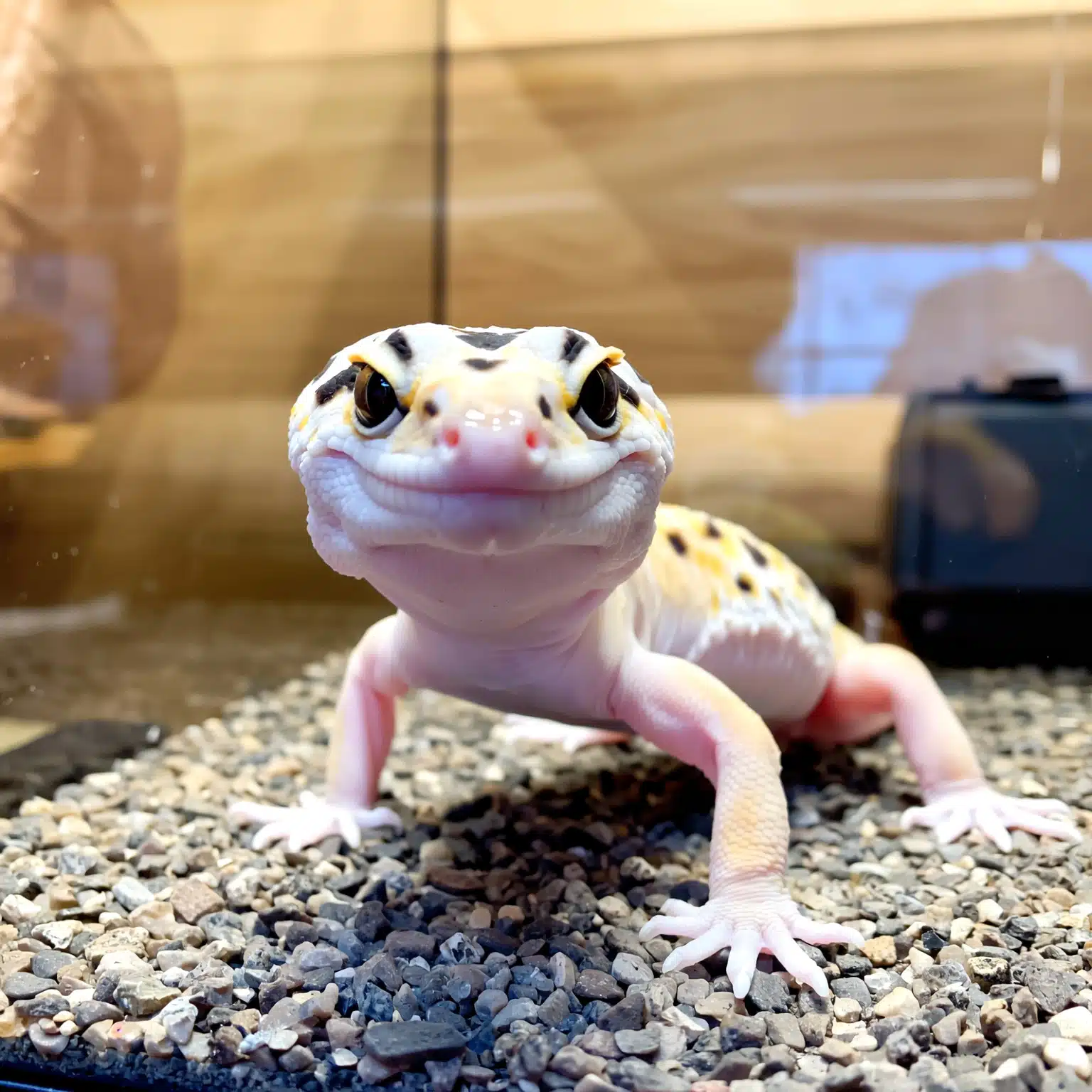
Metabolic Bone Disease (MBD) is one of the most serious and preventable conditions in leopard geckos. It develops when the gecko’s body cannot properly process calcium, usually due to lack of supplementation or vitamin D3. This leads to weak bones, deformities, and, if untreated, death.
Many keepers first encounter MBD when their gecko shows subtle signs like tremors, difficulty walking, or a bent jaw. The condition progresses quickly, making prevention far more effective than treatment.
The importance of calcium and vitamin D3 is explained in detail in the Calcium & Vitamin Needs cluster, while the Feeding & Nutrition Guide shows how supplements fit into a balanced diet to prevent deficiencies.
Causes of Metabolic Bone Disease
MBD is almost always linked to husbandry mistakes, making it a preventable illness. The main causes include:
- Calcium deficiency: Insects not dusted with calcium powder or fed without gut-loading.
- Lack of vitamin D3: Prevents proper absorption of calcium, even if present in the diet.
- Improper lighting: While leopard geckos can thrive without UVB if supplemented correctly, inconsistent supplementation in a UVB-free setup increases the risk.
- Poor diet variety: Reliance on low-nutrient feeders such as mealworms alone.
- Neglected supplementation schedules: Irregular or incorrect use of calcium and vitamins.
These factors weaken the skeleton over time, leading to brittle bones and deformities. Since MBD is one of the most common leopard gecko health issues, it is also covered in the Health Issues & Common Diseases hub, where it appears alongside other preventable illnesses.
Symptoms of Metabolic Bone Disease
Leopard geckos with MBD often show signs that begin subtly but worsen quickly if not addressed. Recognizing these early symptoms can save a gecko’s life.
Early Symptoms
- Muscle tremors or twitching.
- Lethargy and reluctance to move.
- Weak grip when climbing or being handled.
Advanced Symptoms
- Soft or rubbery jaw (“rubber jaw”).
- Curved spine or bowed legs.
- Difficulty walking or dragging the body.
- Swollen limbs and painful movement.
Behavioral Changes
Geckos with MBD may become withdrawn, stop eating, or display stress signals like excessive hiding. These behaviors overlap with those explained in the Stress & Behavior Signs cluster, where unusual activity is often an early indicator of illness.
Diagnosis of Metabolic Bone Disease
Because MBD affects the skeleton and muscles, diagnosis often requires both observation and veterinary assessment.
At-Home Recognition
- Visible deformities such as bent legs or a soft jaw.
- Tremors when walking or climbing.
- Sudden weight loss combined with lethargy.
Veterinary Diagnosis
- Physical exam: An exotic vet checks for bone density and mobility.
- X-rays: Reveal thinning bones or fractures not visible externally.
- Blood tests: May be used to confirm calcium deficiency or metabolic imbalance.
Since MBD shares symptoms with other conditions like malnutrition or stress, professional evaluation is essential. Further guidance on how to prepare for a vet visit and what to expect is covered in the Vet & Medical Care cluster.
Treatment Options for MBD
Treatment depends on the severity of the disease. While mild cases can often be stabilized, advanced MBD requires veterinary intervention.
At-Home Support (for early cases)
- Dust all feeders with calcium + D3.
- Provide a shallow dish of plain calcium inside the enclosure.
- Offer gut-loaded insects rich in vitamins and minerals.
- Ensure proper heating to help with nutrient absorption.
Veterinary Treatment
- Calcium injections or liquid calcium therapy.
- Prescription-strength vitamin D3 supplementation.
- Pain management in severe cases.
- Monitoring progress with follow-up visits and X-rays.
Correct diet and supplementation are critical for recovery. The Feeding & Nutrition Guide details how to balance feeder variety, gut-loading, and supplements to prevent relapse once initial treatment begins.
Prevention of MBD
Metabolic bone disease is far easier to prevent than to treat. Proper husbandry ensures that geckos maintain strong bones and never develop this condition.
Key Prevention Strategies
- Supplementation: Use calcium with D3 1–3 times weekly depending on age, with plain calcium always available.
- Gut-loading: Feed insects nutrient-rich vegetables and grains before offering them.
- Feeder variety: Rotate staples like crickets, dubia roaches, mealworms, and silkworms for balanced nutrition.
- Temperature control: Maintain correct heat gradients to aid digestion and absorption.
- UVB lighting (optional): Can provide natural D3, especially if supplementation is inconsistent.
All of these strategies are detailed in the Calcium & Vitamin Needs cluster, which explains how calcium, vitamin D3, and multivitamins fit into a long-term care routine.
Conclusion
Metabolic bone disease is one of the most preventable yet devastating conditions in leopard geckos. With proper supplementation, gut-loading, and careful husbandry, most cases can be avoided entirely. Once symptoms appear, early recognition and veterinary care are essential to prevent permanent damage.
By combining the strategies outlined in the Calcium & Vitamin Needs cluster with the feeding practices from the Feeding & Nutrition Guide, keepers can provide a diet that supports strong bones and long-term vitality.
Because MBD is only one of several major health concerns, it should always be considered in the broader context of the Health Issues & Common Diseases hub. When symptoms progress, or if you are unsure of a diagnosis, guidance from the Vet & Medical Care cluster is indispensable for ensuring your gecko receives the right treatment.
FAQs – Metabolic Bone Disease in Leopard Geckos
What causes metabolic bone disease in leopard geckos?
MBD is caused by calcium and vitamin D3 deficiency, often due to poor supplementation, lack of gut-loading, or improper lighting.
What are the first signs of MBD in leopard geckos?
Early signs include muscle tremors, weak grip, lethargy, and difficulty walking. In advanced stages, limbs may bend and jaws become soft.
Can metabolic bone disease in leopard geckos be cured?
Mild cases can improve with proper supplementation and care, but severe deformities are usually permanent. Veterinary treatment is essential.
How do I prevent MBD in my leopard gecko?
Prevention relies on consistent calcium and vitamin D3 supplementation, gut-loading insects, feeder variety, and maintaining proper temperatures.
Author

