
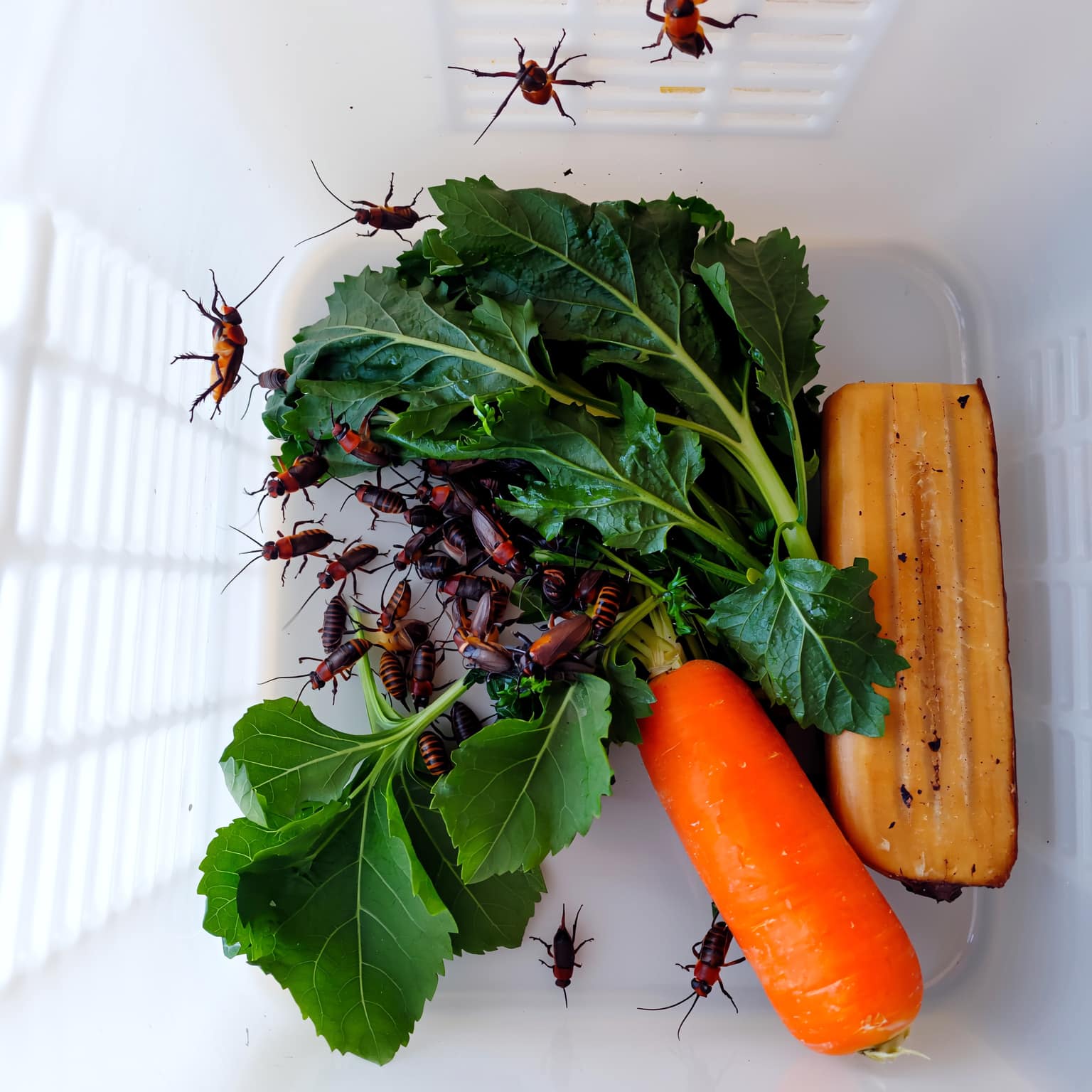
Feeder insects are only as nutritious as the food they consume. In their natural environment, insects feed on diverse plants and organic matter, passing valuable nutrients to predators like leopard geckos. In captivity, however, store-bought insects often lack these nutrients and can become “empty calories.”
Gut-loading—the process of feeding insects with nutrient-rich foods before offering them to your gecko—is one of the most effective ways to improve diet quality. A gecko that eats gut-loaded insects receives not just protein, but also calcium, vitamins, and hydration.
This cluster explains the importance of gut-loading, what foods to use, and common mistakes to avoid. For an overview of how gut-loading fits into the bigger picture, the Leopard Gecko Feeding & Nutrition Guide provides a complete framework for diet, supplements, and feeding schedules.
Why Gut-Loading is Essential
Feeder insects raised on oats or bran alone are nutritionally incomplete. While they may provide protein, they lack the vitamins and minerals that leopard geckos need for long-term health.
Gut-loading enriches feeders with nutrients that directly pass to the gecko during digestion:
- Calcium: Strengthens bones and prevents metabolic bone disease.
- Vitamins: Supports skin health, shedding, and immunity.
- Moisture: Keeps geckos hydrated, reducing the risk of dehydration.
A cricket or roach that has consumed vegetables, grains, and supplements is far more beneficial than an unfed insect. Without gut-loading, even dusting with calcium powder cannot compensate for the missing internal nutrients.
The connection between gut-loading and supplementation is explained further in the cluster Calcium & Vitamin Needs, which shows how dietary preparation and dusting work together to protect against deficiencies.
Best Foods for Gut-Loading
The quality of gut-loading depends on the foods chosen. Nutritious, moisture-rich vegetables and grains provide the minerals that geckos absorb when eating the insects.
- Vegetables: Carrots, squash, sweet potato, collard greens, mustard greens, and kale.
- Fruits (sparingly): Apples, oranges, or berries for hydration and vitamin boost.
- Grains: Oats, wheat bran, and whole-grain cereals as base foods.
- Commercial diets: Special gut-load formulas designed for crickets and roaches.
Avoid iceberg lettuce and high-fat foods, as they provide little to no nutritional value. A balanced gut-loading diet ensures feeders are “supercharged” with vitamins before being offered to geckos.
For a closer look at which insects benefit most from gut-loading, see the cluster Best Insects for Leopard Geckos, which compares crickets, dubia roaches, mealworms, and silkworms in detail.
Timing & Method of Gut-Loading
The effectiveness of gut-loading depends largely on when and how it is done.
- Timing: Insects should be gut-loaded 24–48 hours before being fed to leopard geckos. This ensures the feeders’ digestive systems are full of nutrients at the time of consumption.
- Containers: Use a ventilated plastic tub with egg cartons for crickets or small dishes for roaches and mealworms.
- Food & hydration: Place vegetables, grains, and water crystals (or fruit slices) in the container. Avoid direct water, as insects can drown.
- Dusting combination: After gut-loading, feeders should also be dusted with calcium powder to maximize nutritional benefit.
Gut-loading is not a substitute for supplementation but works alongside it to provide the most complete diet. The Leopard Gecko Feeding & Nutrition Guide explains how gut-loading fits into a balanced feeding strategy, including supplementation schedules and feeder rotation.
Common Mistakes in Gut-Loading
Many keepers attempt gut-loading but unknowingly make errors that reduce its effectiveness.
- Using only bran or oats: These provide calories but little nutritional value. Insects raised this way are essentially “empty calories.”
- Overfeeding fatty foods: Some owners add dog food or sugary fruits, which make feeders unhealthy and can contribute to gecko obesity.
- Short gut-loading period: Feeding insects just before offering them to geckos doesn’t allow enough time for nutrient absorption.
- Ignoring hydration: Dehydrated insects pass on minimal moisture, reducing hydration benefits for the gecko.
These mistakes often result in geckos consuming insects that are no more nutritious than wild-caught pests. Long-term, this can lead to obesity or nutrient deficiencies, issues further explored in the cluster Obesity Prevention in Leopard Geckos.
Conclusion
Gut-loading is one of the simplest yet most effective ways to improve leopard gecko nutrition. By feeding insects with vegetables, grains, and hydration sources 24–48 hours before offering them, keepers transform basic feeders into nutrient-rich meals.
When combined with calcium and vitamin supplementation, gut-loading helps prevent common issues like weak bones, poor shedding, and metabolic bone disease. A consistent approach ensures that geckos receive the vitamins and minerals they cannot get from insects alone.
To see how gut-loading fits into the broader dietary plan, the Leopard Gecko Feeding & Nutrition Guide explains schedules, supplementation, and insect rotation. For a deeper understanding of nutrient balance, the cluster Calcium & Vitamin Needs explores how supplements and gut-loading complement each other to create a complete diet.
FAQs – Gut-Loading Feeder Insects
What is gut-loading for leopard geckos?
Gut-loading is the process of feeding insects with nutritious foods 24–48 hours before offering them to geckos, so the nutrients pass directly to the reptile.
What foods are best for gut-loading feeder insects?
Leafy greens, carrots, squash, sweet potato, apples (sparingly), oats, and commercial gut-load formulas are excellent for enriching feeder insects.
How long should insects be gut-loaded before feeding?
Insects should be gut-loaded for at least 24 hours, ideally 48 hours, to ensure their digestive system is full of nutrients.
Can gut-loading replace calcium and vitamin supplements?
No. Gut-loading boosts nutrition, but calcium and vitamin supplements are still required to prevent deficiencies such as metabolic bone disease.
Author

